Ammonium formate → HCID 12262631、化合物
HRID 274078
反応式

Cl.C([NH:9][CH2:10][C:11]1([OH:23])[C:20]2[C:15](=[CH:16][CH:17]=[C:18]([O:21][CH3:22])[CH:19]=2)[CH2:14][CH2:13][CH2:12]1)C1C=CC=CC=1.C([O-])=O.[NH4+]>[Pd].CO>[NH2:9][CH2:10][C:11]1([OH:23])[C:20]2[C:15](=[CH:16][CH:17]=[C:18]([O:21][CH3:22])[CH:19]=2)[CH2:14][CH2:13][CH2:12]1参加物
5
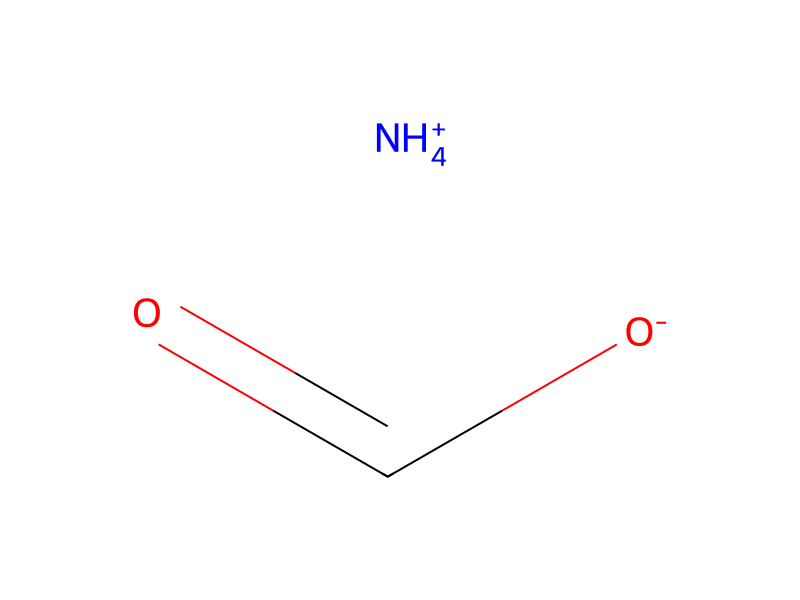




実験手順
A suspension of 1-benzylaminomethyl-7-methoxy-1,2,3,4-tetrahydro-1-naphthalenol hydrochloride (45.00 g), ammonium formate (25.50 g), and 10% palladium on carbon (50% wet, 4.5 g) in methanol was refluxed for 40 minutes. After cooling, the catalyst was removed by filtration and the filtrate was evaporated in vacuo. Water (45 ml), 1N hydrochloric acid (90 ml) and diethyl ether (120 ml) were added to the residue and the aqueous layer was separated. The aqueous layer was made alkaline with 5N aqueous sodium hydroxide (45 ml), and extracted with ethyl acetate (600 ml×6 times). The organic layers were combined, dried over sodium sulfate, and evaporated in vacuo to give 1-aminomethyl-7-methoxy-1,2,3,4-tetrahydro-1-naphthalenol (27.89 g) as a pale yellow powder.