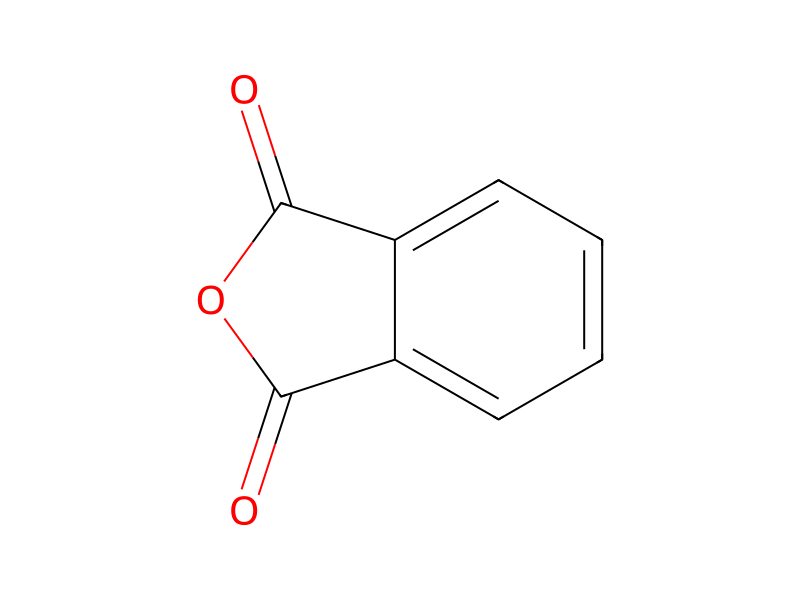
Phthalic Anhydride → HCID 15051990、化合物
反応式

[NH2:1][C:2]1[CH:7]=[CH:6][C:5]([CH2:8][N:9]2[C:13](=[O:14])[C:12]([CH3:16])([CH3:15])[CH2:11][O:10]2)=[C:4]([Cl:17])[CH:3]=1.[C:18]1(=[O:28])[O:23][C:21](=[O:22])[C:20]2=[CH:24][CH:25]=[CH:26][CH:27]=[C:19]12>O1CCCC1.C(Cl)Cl>[Cl:17][C:4]1[CH:3]=[C:2]([NH:1][C:18]([C:19]2[CH:27]=[CH:26][CH:25]=[CH:24][C:20]=2[C:21]([OH:23])=[O:22])=[O:28])[CH:7]=[CH:6][C:5]=1[CH2:8][N:9]1[C:13](=[O:14])[C:12]([CH3:15])([CH3:16])[CH2:11][O:10]1参加物
5




実験手順
This compound was prepared in a manner analogous to that of Example 1, Step C, using 3.0 grams (0.012 mole) of 2-[(4-amino-2-chlorophenyl)methyl]-4,4-dimethyl-3-isoxazolidinone and 1.8 grams (0.012 mole) of phthalic anhydride in 125 mL of tetrahydrofuran. The reaction mixture was dissolved in 200 mL of methylene chloride and washed with four 50 mL portions of an aqueous 10% hydrochloric acid solution. The organic layer was dried with magnesium sulfate and filtered. The filtrate was concentrated under reduced pressure to a semi-solid residue. The residue was stirred and heated in ethyl acetate-heptane. The resultant solid was collected by filtration and was recrystallized from acetate/hexane to yield 0.5 gram of 2-[[2-chloro-4-[(2-carboxyphenyl)carbonylamino]phenyl]methyl]-4,4-dimethyl-3-isoxazolidinone; m.p. 172° C., dec.