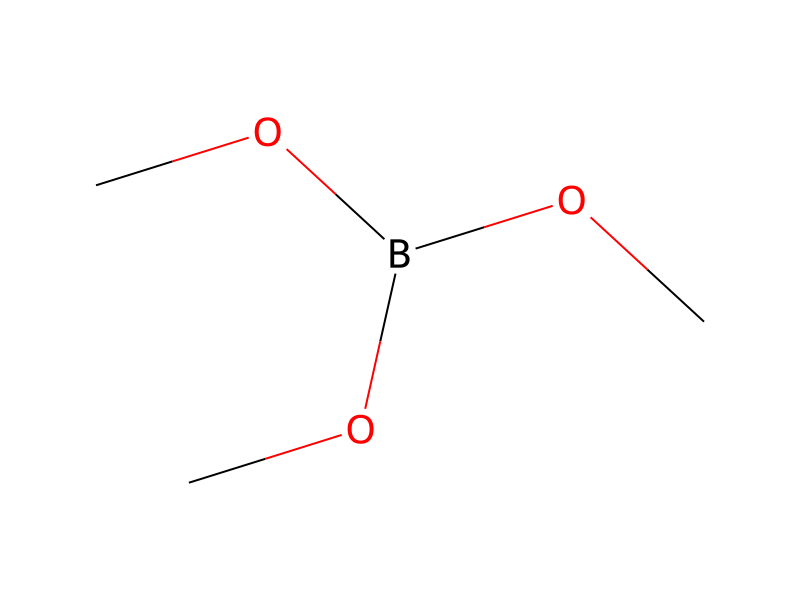
n-Butyl lithium (1.6 M solution in hexanes, 38.75 ml, 0.062 mol) is added dropwise to a solution of 4-bromo-4′-chloro-3-ethylbiphenyl (12.35 g, 0.041 mol) in tetrahydrofuran (125 ml) at −78° C., under an atmosphere of nitrogen, and the mixture is stirred at −78° C. for 30 minutes. Trimethyl borate (27.8 ml, 0.25 mol) is added slowly at −78° C. and the mixture is stirred for 1 hr. The reaction mixture is allowed to warm to room temperature over 2-3 hours and then stirred at room temperature for 1 hr. 0.1N aqueous hydrochloric acid (343 ml) is added and the mixture is stirred at room temperature overnight. The reaction mixture is extracted with ethyl acetate (3×300 ml) and the organic extracts are combined, dried with anhydrous sodium sulfate, filtered and the filtrate is concentrated under reduced pressure. The residue is purified by column chromatography on silica gel to give 4′-chloro-3-ethylbiphen-4-ylboronic acid (4.5 g) as a white solid.