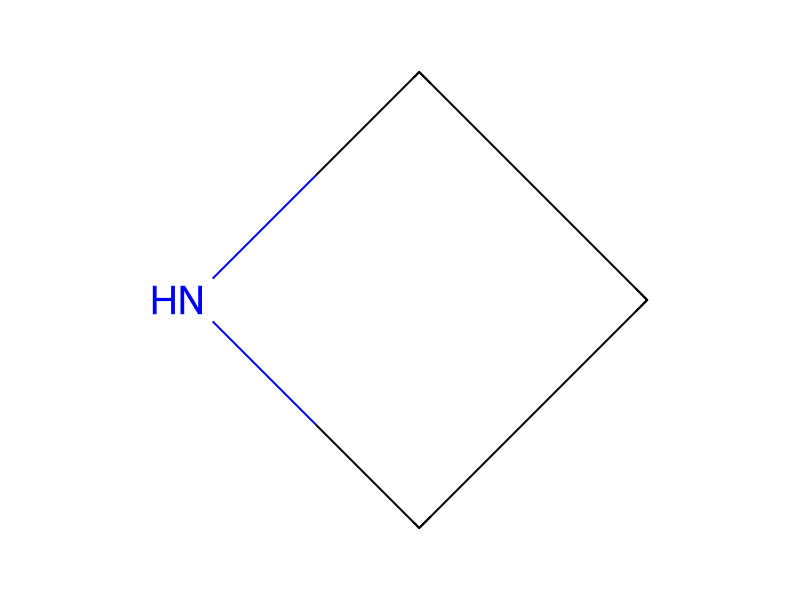
Cl.[CH2:2]([NH:4][C:5]1([C:9]([NH2:11])=[O:10])[CH2:8][NH:7][CH2:6]1)[CH3:3].C(N(C(C)C)CC)(C)C.Cl[C:22]1[N:27]2[N:28]=[C:29]([C:32]3[CH:37]=[CH:36][CH:35]=[CH:34][C:33]=3[Cl:38])[C:30]([I:31])=[C:26]2[N:25]=[CH:24][CH:23]=1.N1CCC1>CC(C)=O>[Cl:38][C:33]1[CH:34]=[CH:35][CH:36]=[CH:37][C:32]=1[C:29]1[C:30]([I:31])=[C:26]2[N:25]=[CH:24][CH:23]=[C:22]([N:7]3[CH2:8][C:5]([NH:4][CH2:2][CH3:3])([C:9]([NH2:11])=[O:10])[CH2:6]3)[N:27]2[N:28]=1To a slurry of 3-ethylaminoazetidine-3-carboxylic acid amide, hydrochloride salt (I-1A-3e; 1.13 g, 5.2 mmol) and diisopropylethylamine (3.2 ml, 18 mmol) in acetone (60 ml) was added 7-chloro-2-(2-chlorophenyl)-3-iodopyrazolo[1,5-a]pyrimidine (I-1A-1d; 1.36 g, 3.48 mmol). The mixture was heated to 50° C. overnight. Additional azetidine and diisopropylethylamine were added in portions until the reaction was judged complete by LCMS. A pale yellow precipitate formed and was isolated by vacuum filtration. The filtrate was concentrated to 20 ml and then diluted with diethyl ether to precipitate additional material that was collected by vacuum filtration. The combined solids were triturated from ether to afford product I-2A-1a as a pale yellow solid (1.3 g, 76%): +ESI MS (M+1) 497.0; 1H NMR (400 MHz, DMSO-D6) δ 8.27 (d, J=5.4 Hz, 1H), 7.59 (d, J=7.9 Hz, 1H), 7.52–7.44 (m, 3H), 7.35 (br s, 1H), 7.30 (br s, 1H), 5.98 (d, J=5.0 Hz, 1H), 2.40–2.30 (m, 2H), 0.99 (t, J=7.1 Hz, 3H).