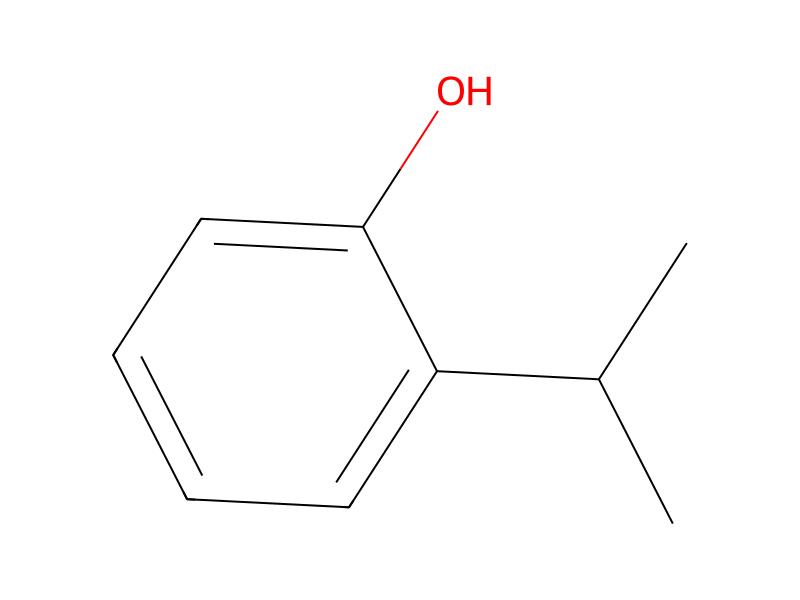
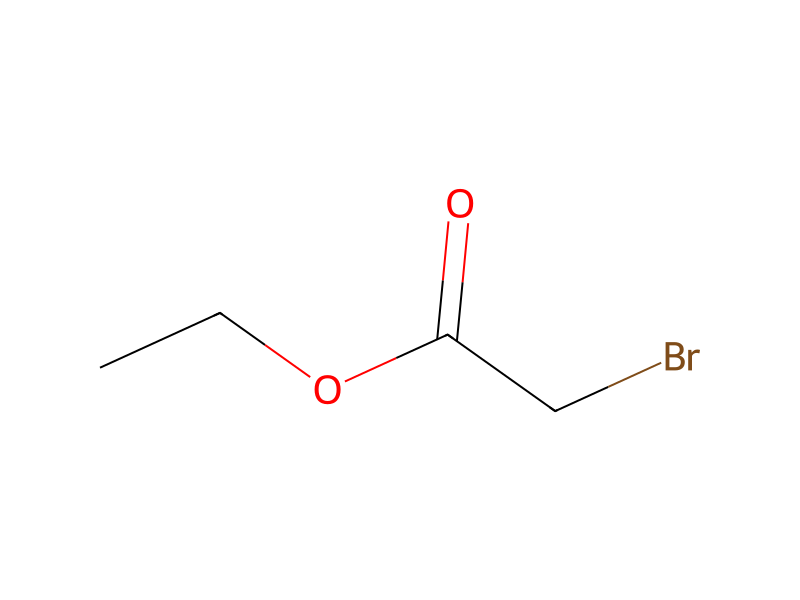
A solution of o-isopropylphenol (39.5 g), potassium carbonate (40 g) and ethyl α-bromoacetate (40 ml) in dimethylformamide (300 ml) is heated with stirring at 80° C. for 8 hours. To the mixture is added water, and the mixture is extracted with ethyl acetate. The extract is washed with water, dried, and concentrated under reduced pressure to remove the solvent. The residue thus obtained is dissolved in a solution of sodium hydroxide (20 g) in water (300 ml) and ethanol (200 ml), and the mixture is refluxed for 1.5 hour. After cooling, the mixture is acidified with conc. hydrochloric acid, and the precipitated crystals are collected by filtration to give α-(2-isopropylphenoxy)acetic acid (37 g).