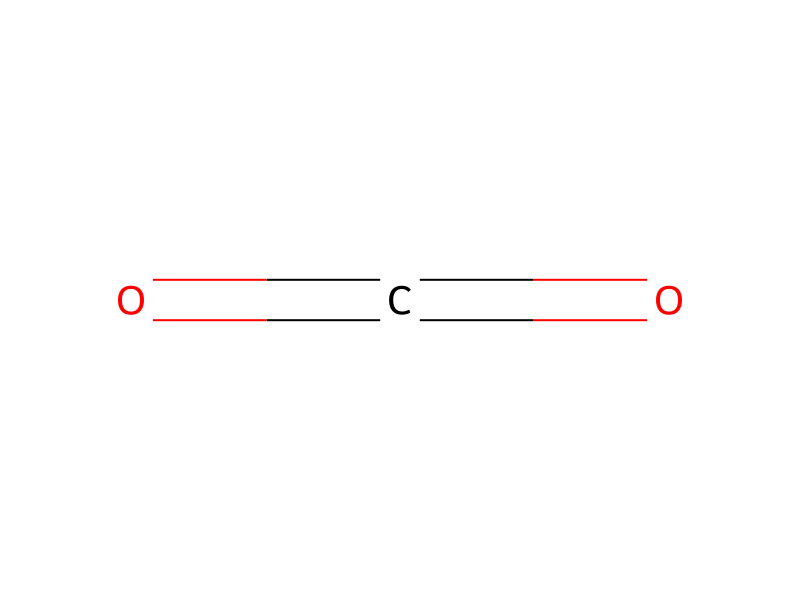
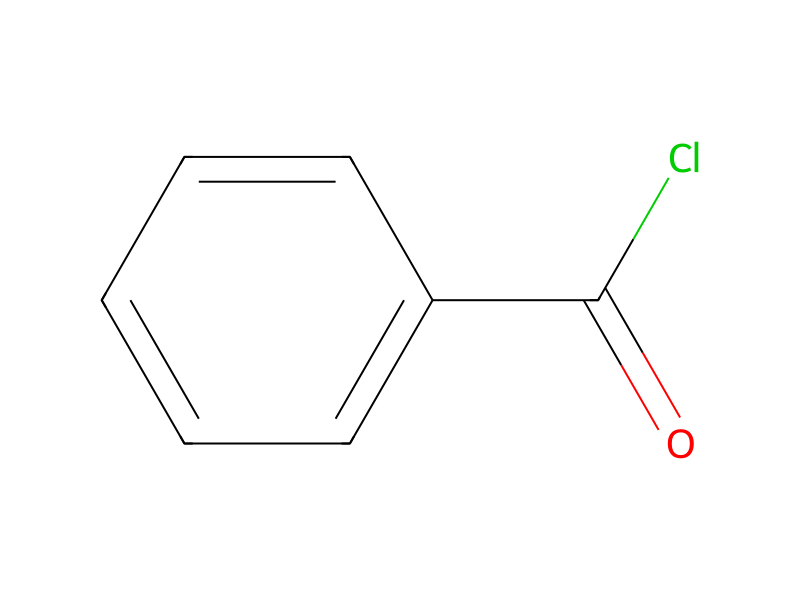
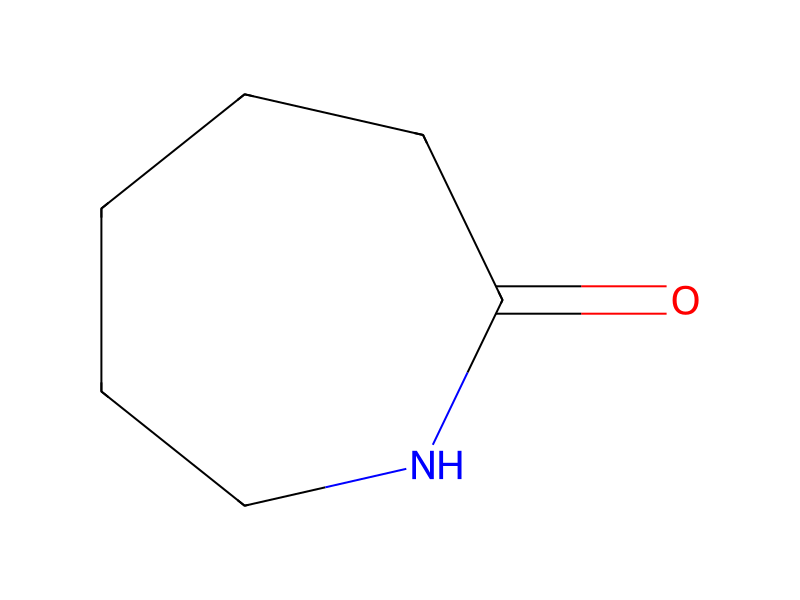
The comparison involves using soda instead of the Hunig base: 226.3 g of ε-caprolactam, 159.0 g of sodium carbonate and 1290 g of toluene are introduced into a 4 1 l flask. Under reflux, 281.1 g of benzoyl chloride are added dropwise over the course of 2 h at a rate such that CO2 evolution proceeds in a controlled manner. The mixture is then refluxed for a further 4 h. The reaction mixture is cooled to room temperature using water cooling (for about 15 min.), admixed with 500 g of water and vigorously stirred, and the aqueous phase is then separated off in a separating funnel. The toluene phase that remains is evaporated in a rotary evaporator at a temperature of 60° C. and residual toluene is removed in a vacuum drying oven, giving pale oil, which crystallizes upon cooling. M.p.: 69° C. The N-benzoylcaprolactam is obtained in a yield of 88% and a purity of 98%. The CO2 produced must be collected and disposed of separately.