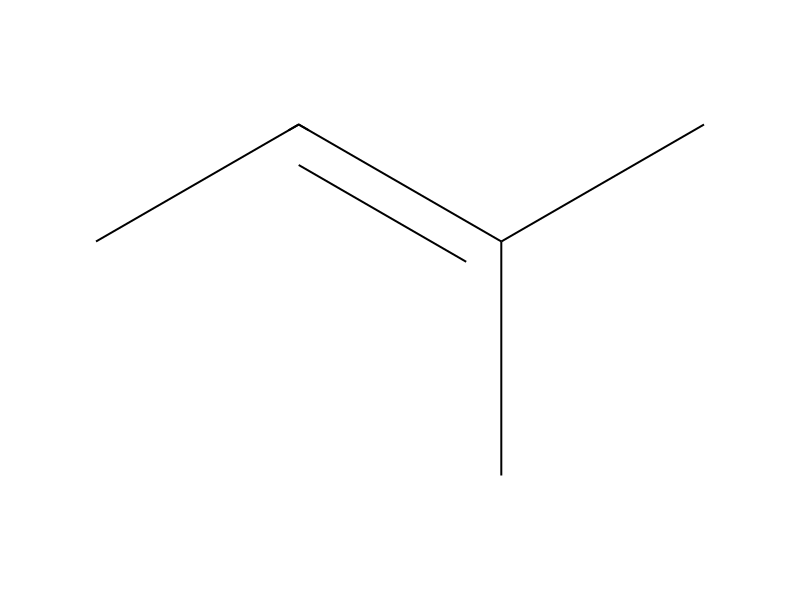
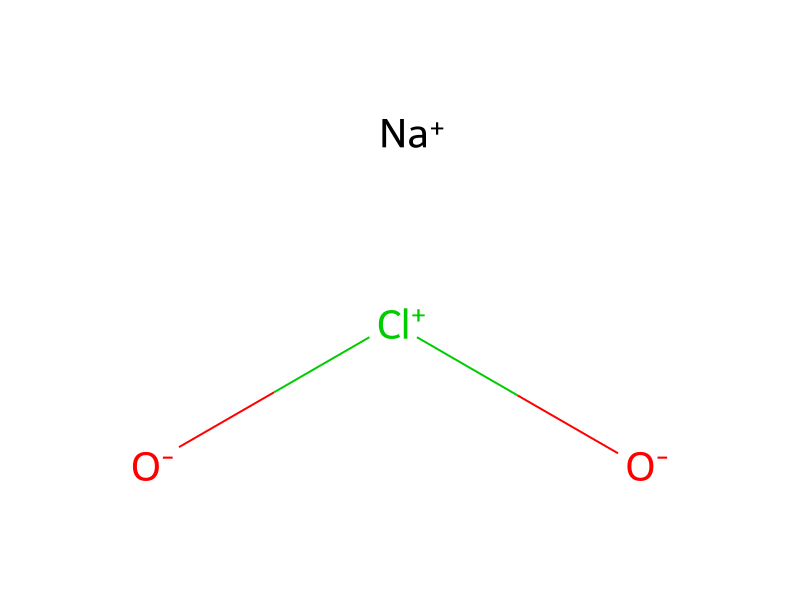
A flask was charged with 10 g of 4-isopropyl-1-methyl cyclohexane carbaldehyde, 200 mL of tert-butanol and 100 mL of 2-methyl-2-butene. While stirring the contents of the flask, a solution prepared by dissolving 13 g of sodium chlorite and 11 g of sodium dihydrogenphosphate in 80 mL of water was added to the flask at 0° C. After stirring the contents of the flask at room temperature for 40 min, a part of tert-butanol in the flask was distilled off, and then a small amount of sulfuric acid was added to the flask. The resulting reaction mixture was extracted with an ether, and the thus obtained extract solution was concentrated and then purified by a silica gel column, thereby obtaining 11 g of 4-isopropyl-1-methyl cyclohexanecarboxylic acid.