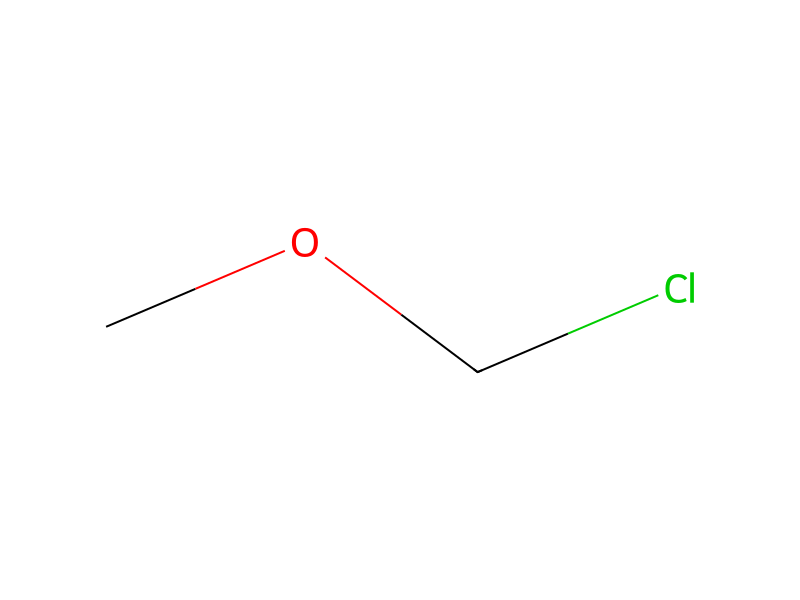
To a mixture of 34.3 g of methyl 4-bromo-6-(1,3-thiazol-2-ylamino)pyridine-2-carboxylate and 440 ml of N,N-diisopropylethylamine was added 5.29 g of sodium hydride (60%, in oil) under an ice bath followed by stirring at the ambient temperature for 30 minutes. To the reaction mixture was added 9.9 ml of chloromethylmethyl ether followed by stirring at the ambient temperature for 4 hours. To the reaction mixture was added 4.52 g of sodium hydride (60%, in oil) and 8.3 ml of chloromethylmethyl ether, followed by further stirring for three hours. After warming to room temperature, to the reaction mixture was added saturated aqueous sodium bicarbonate. The precipitate was filtered off and washed with water. The filtrate was extracted with ethyl acetate and then the organic layer was washed with water and saturated brine. The resulting organic layer was dried over anhydrous sodium sulfate, filtered and the filtrate was concentrated in vacuo. The resulting residue was purified by a silica gel column chromatography (eluent: hexane/ethyl acetate=9/1 to 3/1) to give the title compound as a pale yellow solid.