ホームMCPワークベンチSkills
ホームワークベンチ通知マイページ
llms.txt · MCPガイドプライバシーポリシー · 利用規約 · サポートv1.8.0
  1. ホーム
  2. /反応

Ammonium bisulfate → 1,1-Dimethoxy-3-methyl-2-butene

HRID 428644
ノート
印刷プレビュー

反応式

HRID 428644 の反応式
[Cl-].C([NH+](CC)CC)C.[C:9]1([CH3:19])[CH:14]=CC(S([O-])(=O)=O)=C[CH:10]=1.[NH+]1C=CC=CC=1.S(=O)(=O)(O)[O-].[NH4+].S(=O)(=O)(O)[O-].[K+].[CH:38]([O:45][CH2:46]C)([O:42][CH2:43]C)OCC.CC(C)=CC=O>S(=O)(=O)(O)[O-].C([N+](CCCC)(CCCC)CCCC)CCC.C(O)C>[CH3:46][O:45][CH:38]([O:42][CH3:43])[CH:10]=[C:9]([CH3:19])[CH3:14]
参加物反応条件実験手順後処理出典と根拠反応ノート

参加物

9

反応物 6

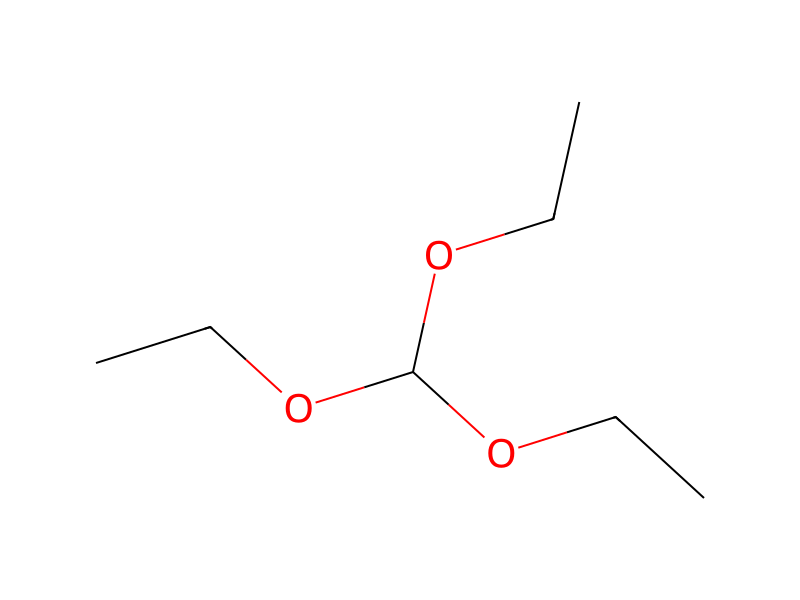
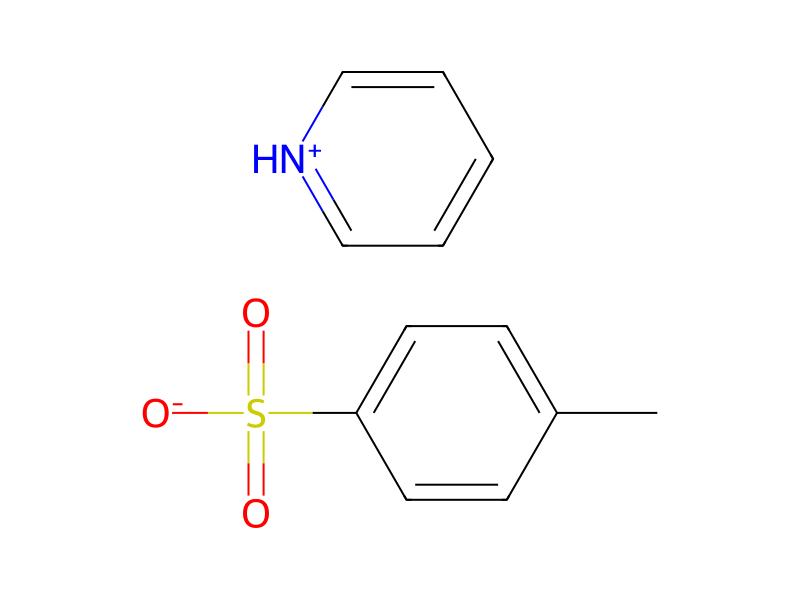
HCID 24655Ammonium bisulfateHCID 31214Ethyl orthoformateHCID 610203-Methyl-2-butenalHCID 466102Benzenesulfonic acid, 4-methyl-, compd. with pyridine (1:1)HCID 516920Potassium bisulfate2 回HCID 12698378Triethylazanium chloride

生成物 1

HCID 11040731
1,1-Dimethoxy-3-methyl-2-butene
収率 85%

試薬・触媒・溶媒 2

HCID 94433Tetrabutylammonium hydrogen sulfate触媒HCID 702Ethanol溶媒

反応条件

温度
2 °C

実験手順

Various acidic catalysts were tested in J. Org. Chem. 1995, 60, 1995, 3397-3400. Use of p-toluenesulfonic acid resulted in polymerization of the 3-methyl-2-butenal. Triethylammonium chloride, pyridinium p-toluenesulfonate, tetrabutylammonium bisulfate and ammonium bisulfate likewise gave unsatisfactory results. Potassium bisulfate proved to be more suitable. The reaction conditions are likewise described in the Patent Application EP 0629619. Triethyl orthoformate and 3-methyl-2-butenal are added to abs. ethanol at 4° C. The clear solution is cooled to 2° C., and potassium bisulfate is added. The heterogeneous reaction mixture warms to 10° C. owing to the exothermic reaction. The mixture is then allowed to warm to 21° C. over the course of 45 minutes and is then stirred at this temperature for 15 minutes. The catalyst is then filtered off and washed with ethanol. The filtrate is mixed with potassium carbonate and stirred at room temperature for one hour. The potassium carbonate is then likewise filtered off and washed with ethanol. Distillation affords 3-methyl-2-butenal dimethyl acetal in a yield of 85%. The disadvantages of this process are that elaborate temperature control is required and the alternating cooling and warming steps require increased energy consumption and elaborate apparatus.

後処理

  1. customThe reaction conditions
  2. customat 4° C
  3. customwarms to 10° C.
  4. customowing to the exothermic reaction
  5. temperatureto warm to 21° C. over the course of 45 minutes
  6. filtrationThe catalyst is then filtered off
  7. washwashed with ethanol
  8. additionThe filtrate is mixed with potassium carbonate
  9. stirringstirred at room temperature for one hour
  10. filtrationThe potassium carbonate is then likewise filtered off
  11. washwashed with ethanol
  12. distillationDistillation

出典と根拠

ORDレコード
ord-aef827e49b1848f49d055e3970894285
出典データセット
uspto-grants-2001_11
DOI
10.6084/m9.figshare.5104873.v1
特許番号
US06313322B1

反応ノート

読み込み中…

このページの内容参加物反応条件実験手順後処理出典と根拠反応ノート