反応式

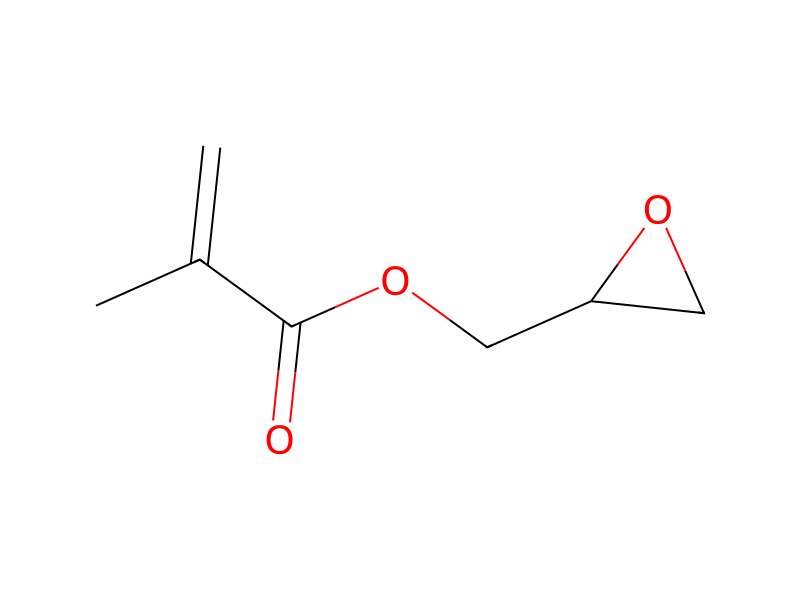
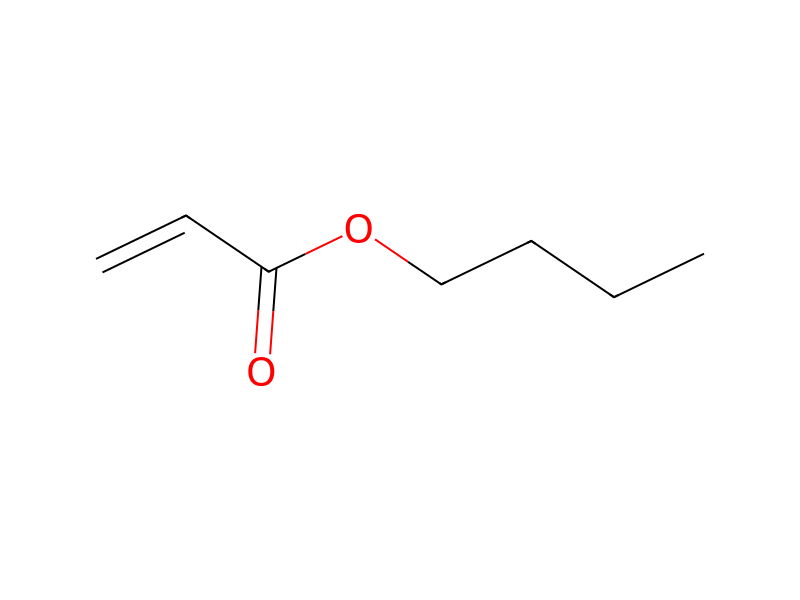
[CH3:1][CH2:2][CH2:3][CH2:4][O:5][C:6]([CH:8]=[CH2:9])=[O:7].[C:10]([O:15][CH2:16][CH:17]1[O:19][CH2:18]1)(=[O:14])[C:11]([CH3:13])=[CH2:12].C(S)CCCCCCCCCCC.C1(C)C=CC=CC=1>C1(C)C=CC=CC=1.C(O)C>[C:10]([O:15][CH2:16][CH:17]1[O:19][CH2:18]1)(=[O:14])[C:11]([CH3:13])=[CH2:12].[C:6]([O:5][CH2:4][CH2:3][CH2:2][CH3:1])(=[O:7])[CH:8]=[CH2:9]参加物




実験手順
50 g of N-butyl acrylate (product of Nippon Shokubai Co., Ltd.), 50 g of glycidyl methacrylate (product of Mitsubishi Gas Chemical Company Inc.), 3 g of lauryl mercaptan (product of Wako Pure Chemical Industries Ltd.), and 100 g of toluene were placed in a 1 L-separable flask equipped with a stirrer, a condenser, a thermometer, and a nitrogen gas-introducing inlet, and mixed to give a monomer mixture solution. The obtained monomer mixture solution was bubbled with nitrogen gas for 20 minutes to remove the dissolved oxygen. Thereafter, the system in the separable flask was replaced with nitrogen gas, and the temperature inside the separable flask was raised to a reflux temperature under stirring. Next, polymerization was performed in the same manner as that in Synthesis Example 6 to provide a toluene/ethanol solution of a poly(glycidyl methacrylate/n-butyl acrylate) copolymer (B8) (number-average molecular weight of 3,000 as converted to polystyrene, epoxide equivalent of 284) as a curable compound having at least two glycidyl groups.
後処理
- customequipped with a stirrer, a condenser
- additiona thermometer, and a nitrogen gas-introducing inlet, and mixed
- customto give a monomer mixture solution
- customThe obtained monomer mixture solution was bubbled with nitrogen gas for 20 minutes
- customto remove the dissolved oxygen
- temperaturethe temperature inside the separable flask was raised to a reflux temperature
- customNext, polymerization
- customin Synthesis Example 6
出典と根拠
- ORDレコード
- ord-818b5de95ec84349a493cb973336f9b6
- 出典データセット
- uspto-grants-2013_09
- 特許番号
- US08536242B2
関連ノート
読み込み中…