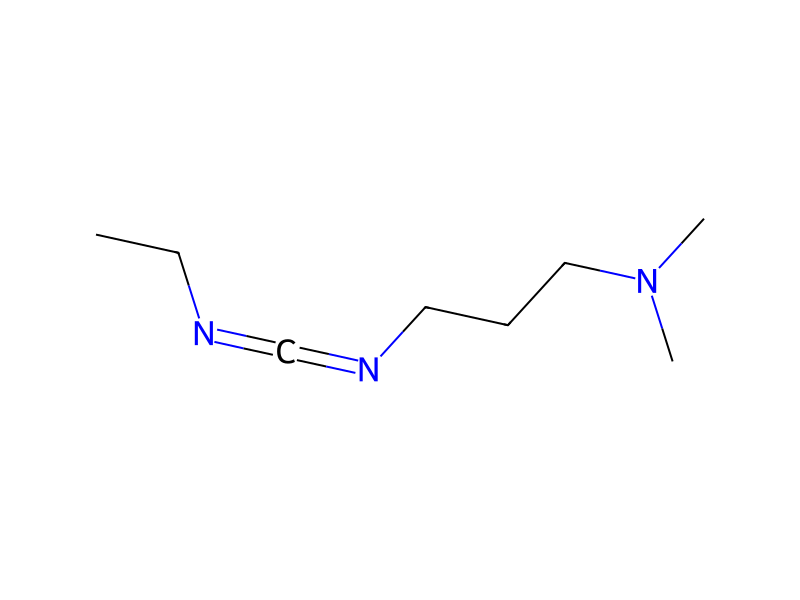
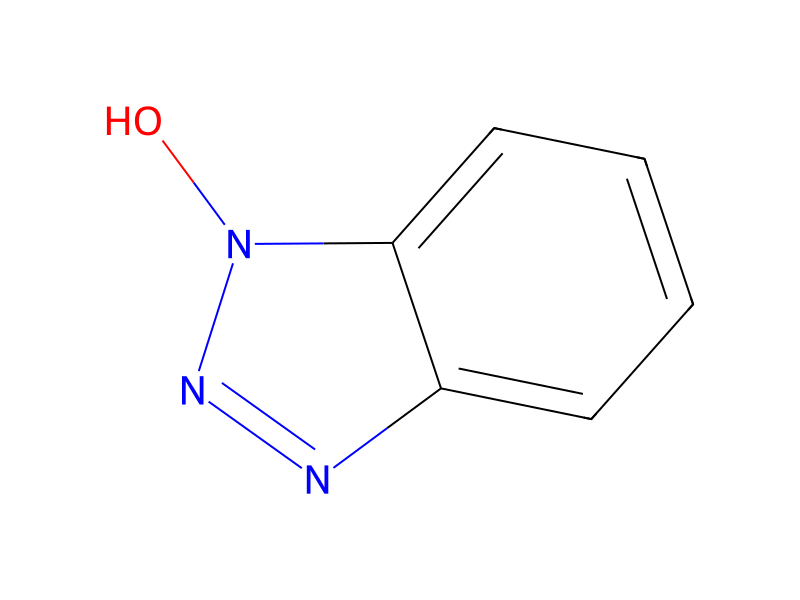
[Br:1][C:2]1[CH:3]=[CH:4][C:5]([O:11][C:12]2[CH:13]=[N:14][C:15]([Cl:18])=[CH:16][CH:17]=2)=[C:6]([CH:10]=1)[C:7]([OH:9])=O.C1C=CC2N(O)N=NC=2C=1.[CH3:29][CH2:30][N:31](C(C)C)[CH:32](C)[CH3:33].CCN=C=NCCCN(C)C>C(Cl)Cl>[Br:1][C:2]1[CH:3]=[CH:4][C:5]([O:11][C:12]2[CH:13]=[N:14][C:15]([Cl:18])=[CH:16][CH:17]=2)=[C:6]([CH:10]=1)[C:7]([N:31]([CH2:32][CH3:33])[CH2:30][CH3:29])=[O:9]A mixture of compound 5-bromo-2-(6-chloropyridin-3-yloxy)benzoic acid (1.28 Kg, 4.44 mol), DEA (461 mL, 4.44 mol), HOBT (600 g, 4.44 mol), DIPEA (1.547 L, 8.88 mol) in anhydrous DCM (8 L) was cooled to 0° C. and EDCI (851.2 g, 4.44 mol, 1 eq) was added. The mixture was stirred at 0° C. for 30 minutes and then at RT overnight. The reaction mixture was washed with an aqueous, saturated solution of NaHCO3, brine and water. The organic phase was separated, dried over MgSO4 and concentrated under reduced pressure. The resulting crude mixture was purified by silica gel chromatography (5 to 20% ethyl acetate in hexane) to afford 950 g of 5-bromo-2-(6-chloropyridin-3-yloxy)-N,N-diethylbenzamide as a yellow oil.