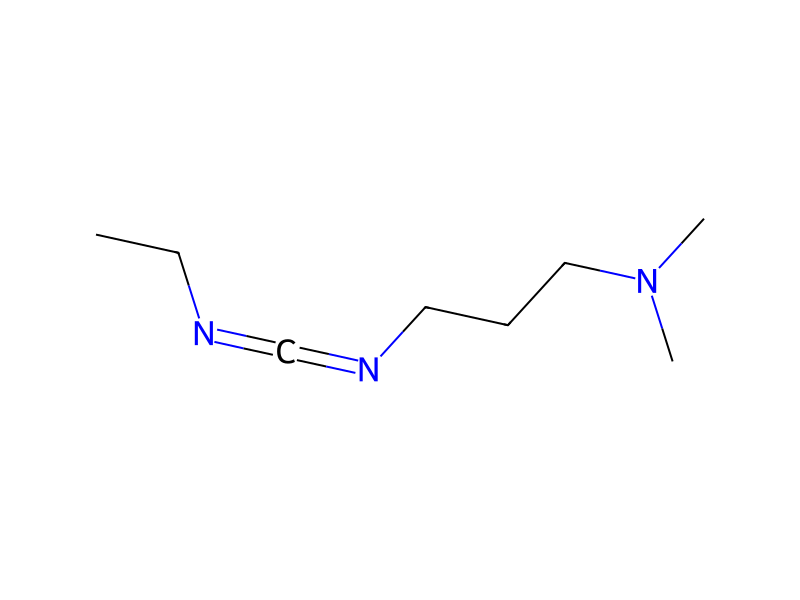
C(N(CC)C(C)C)(C)C.[CH3:10][CH:11]1[NH:16][CH2:15][CH2:14][NH:13][C:12]1=[O:17].CCN=C=NCCCN(C)C.C1C=CC2N(O)N=NC=2C=1.[CH2:39]([C:41]1[C:57]([F:58])=[CH:56][C:44]([O:45][C:46]2[CH:54]=[CH:53][C:49]([C:50](O)=[O:51])=[CH:48][C:47]=2[F:55])=[C:43]([O:59]C)[CH:42]=1)[CH3:40]>ClCCl.O>[CH2:39]([C:41]1[C:57]([F:58])=[CH:56][C:44]([O:45][C:46]2[CH:54]=[CH:53][C:49]([C:50]([N:16]3[CH2:15][CH2:14][NH:13][C:12](=[O:17])[CH:11]3[CH3:10])=[O:51])=[CH:48][C:47]=2[F:55])=[C:43]([OH:59])[CH:42]=1)[CH3:40]N,N-Diisopropylethylamine (74 μL, 0.42 mmol), 3-methylpiperazin-2-one (23.3 mg, 0.20 mmol), EDCI (39.1 mg, 0.20 mmol) and HOBt (27.6 g, 0.20 mmol) were successively added to a suspension of 4-(4-ethyl-5-fluoro-2-methoxyphenoxy)-3-fluorobenzoic acid (which may be prepared in accordance with the experimental described in Example 4, step 4; 50 mg, 0.17 mmol) in dichloromethane (0.55 mL). The reaction mixture was stirred at room temperature overnight then diluted by addition of dichloromethane (10 mL) and water (10 mL). After separation, the organic layer was washed with water (10 mL). The organic phase was dried over sodium sulfate, filtered and concentrated under vacuum. The residue was purified by chromatography on silica gel, using dichloromethane/methanol (98:2 to 95:5) as eluent. The title product was obtained as a white solid (24 mg, 36%).