ホームMCPワークベンチSkills
ホームワークベンチ通知マイページ
llms.txt · MCPガイドプライバシーポリシー · 利用規約 · サポートv1.8.0
  1. ホーム
  2. /反応

Acetic Acid → 3-Chlorophthalic anhydride

HRID 480405
ノート
印刷プレビュー

反応式

HRID 480405 の反応式
[Cl:1][C:2]1[CH:7]=[CH:6][CH:5]=[C:4](C)[C:3]=1C.ClC1C=C(C)C(C)=CC=1.[C:19]([O-:22])(=[O:21])[CH3:20].[Na+].[Br-].[Na+].C(O)(=[O:28])C>O.O.O.O.C([O-])(=O)C.[Co+2].C([O-])(=O)C.O.O.O.O.C([O-])(=O)C.[Mn+2].C([O-])(=O)C.C([O-])(=O)C.[Zr+4].C([O-])(=O)C.C([O-])(=O)C.C([O-])(=O)C>[Cl:1][C:2]1[CH:7]=[CH:6][CH:5]=[C:20]2[C:19]([O:22][C:4](=[O:28])[C:3]=12)=[O:21]
参加物反応条件実験手順後処理出典と根拠反応ノート

参加物

9

反応物 5

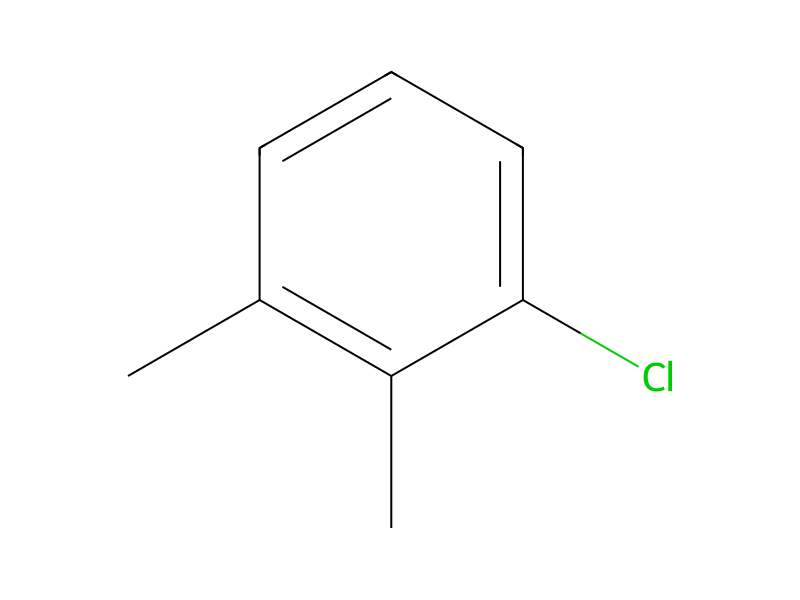
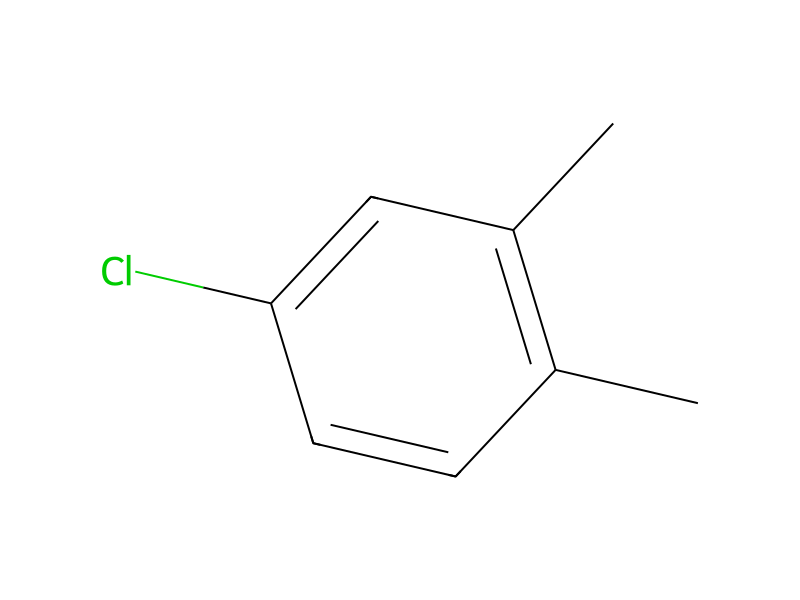
HCID 176Acetic AcidHCID 328841-Chloro-2,3-dimethylbenzene2 回HCID 328864-Chloro-o-xyleneHCID 253881Sodium BromideHCID 517045Sodium Acetate

生成物 1

HCID 670143-Chlorophthalic anhydride

試薬・触媒・溶媒 3

HCID 24237
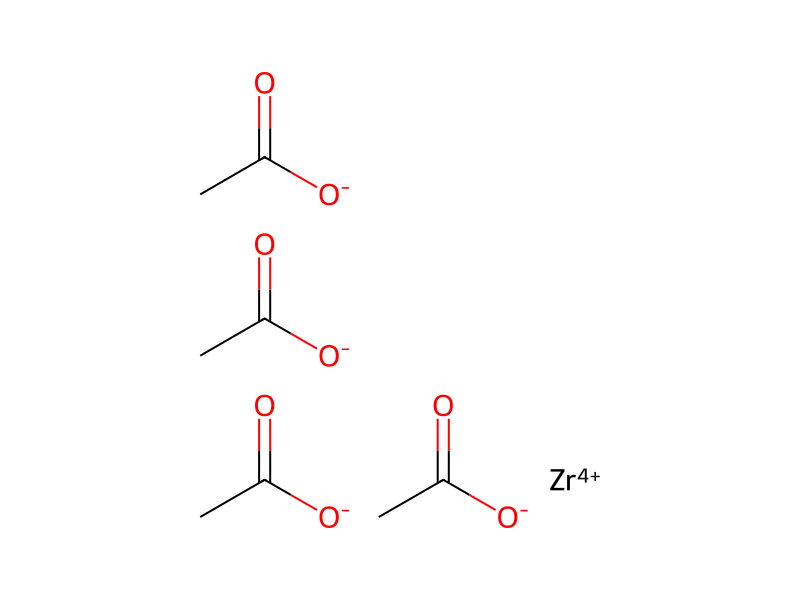
Zirconium acetate
触媒
HCID 61372Cobalt(II) acetate tetrahydrate触媒
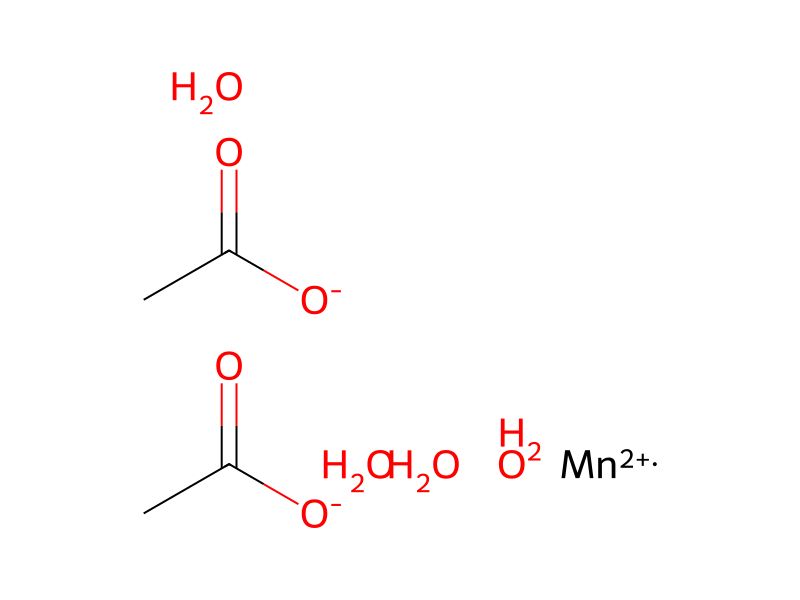
HCID 93021Manganese acetate tetrahydrate触媒

反応条件

温度
160 °C

実験手順

In a laboratory scale reactor 492 grams (g) (3.5 mol) of chloro-ortho-xylene (a mixture of about 30% 3-chloro-ortho-xylene and about 70% 4-chloro-ortho-xylene), 1925 g of glacial acetic acid, 8.7 g (1 mol %) of cobalt acetate tetrahydrate, 4.3 g (0.5 mol %) of manganese acetate tetrahydrate, 1.0 g (0.06 mol %) zirconium acetate solution, 4.3 g (1.5 mol %) sodium acetate and varying amounts of sodium bromide were combined. The reactor was filled with nitrogen, pressurized to 1900 KPa and heated to about 160° C. Air was then introduced to the reactor through a dip tube. Initially, the off gas oxygen concentration was greater than 0 but less than 1 percent. The reaction mixture was agitated throughout the reaction time. After about 3 hours the oxygen concentration of the off gas increased to greater than 3 percent. The flow of air was stopped. Air diluted with nitrogen so as to have an off gas oxygen concentration of about 5 percent was introduced to the reactor and the temperature of the reactor was increased to about 190° C. The flow of diluted air continued for about 1 to 3 hours. Chlorophthalic acid was determined to be present in an amount of 25 wt % based on the total weight of the reaction mixture. The majority of water formed by the reaction and the acetic acid were removed under atmospheric distillation. The chlorophthalic acid was dehydrated and any residual water and acetic acid were removed under heat and reduced pressure to form chlorophthalic anhydride. Chlorophthalic anhydride was separated from the catalyst by distillation under vacuum at distillation temperatures near 170° C. The isolated chlorophthalic acid was analyzed by gas chromatography. Results are shown in Table 1. [t1]


後処理

  1. additionThe reactor was filled with nitrogen
  2. additionAir was then introduced to the reactor through a dip tube
  3. concentrationInitially, the off gas oxygen concentration
  4. temperatureAfter about 3 hours the oxygen concentration of the off gas increased to greater than 3 percent
  5. additionAir diluted with nitrogen so as
  6. additionwas introduced to the reactor
  7. temperaturethe temperature of the reactor was increased to about 190° C
  8. customThe majority of water formed by the reaction
  9. customthe acetic acid were removed under atmospheric distillation
  10. customany residual water and acetic acid were removed
  11. temperatureunder heat

出典と根拠

ORDレコード
ord-14cb2f3f7027407e9555060f15a82ffe
出典データセット
uspto-grants-2003_11
DOI
10.6084/m9.figshare.5104873.v1
特許番号
US06649773B2

反応ノート

読み込み中…

このページの内容参加物反応条件実験手順後処理出典と根拠反応ノート