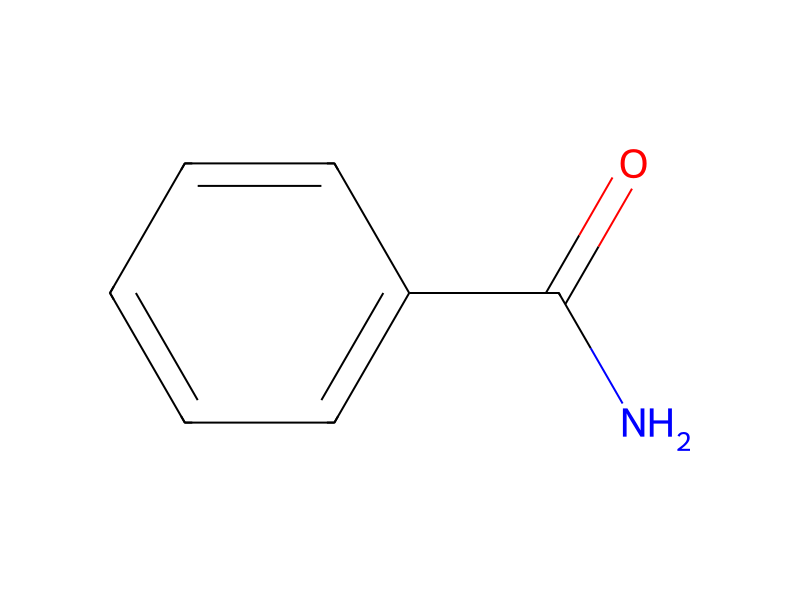
[CH3:1][C:2]1[CH:10]=[CH:9][CH:8]=[C:7]([N+:11]([O-:13])=[O:12])[C:3]=1[C:4]([OH:6])=O.S(Cl)(Cl)=O.[NH2:18][C@@H:19]1[C:28]2[C:23](=[CH:24][CH:25]=[C:26]([O:29][C:30]([F:33])([F:32])[F:31])[CH:27]=2)[O:22][C:21]([CH3:35])([CH3:34])[C@H:20]1[OH:36].C(N(CC)CC)C.C(N)(=O)C1C=CC=CC=1>C1C=CC=CC=1.ClCCl>[OH:36][C@H:20]1[C@H:19]([NH:18][C:4](=[O:6])[C:3]2[C:2]([CH3:1])=[CH:10][CH:9]=[CH:8][C:7]=2[N+:11]([O-:13])=[O:12])[C:28]2[C:23](=[CH:24][CH:25]=[C:26]([O:29][C:30]([F:33])([F:31])[F:32])[CH:27]=2)[O:22][C:21]1([CH3:35])[CH3:34]2-Methyl-6-nitrobenzoic acid (1.81 g, 10 mmol) was converted to the corresponding acid chloride by refluxing in benzene (30 mL) with thionyl chloride (1.66 g, 14 mmol) for 0.5 hours. The crude mixture was concentrated in vacuo and diluted with dichloromethane (10 mL). This solution was added to a cooled solution of (3S,4R)-4-amino-2,2-dimethyl-6-(trifluoromethoxy)-chroman-3-ol (2.75 g, 10 mmol), triethylamine (1.39 mL, 10 mmol) and dichloromethane (25 mL). The crude benzamide was worked-up in a method similar to that in Example 1 and chromatographed (1:1 hexanes/ethyl acetate) to afford 2.5 g (62%) of a white solid: m.p. 204°-206° C.; 1H NMR (CDCl3): δ 8.02 (d, 1H), 7.58 (d, 1H), 7.48 (t, 1H), 7.20 (s, 1H), 7.04 (d, 1H), 6.82 (d, 1 H), 6.06 (d, 1H), 3.80 (t, 1H), 3.70 (br s, 1H), 2.56 (s, 3H), 1.52 (s, 3H), 1.31 (s, 3H).
読み込み中…