
基本情報
- 標準SMILES
O=S(Cl)Cl- InChIKey
FYSNRJHAOHDILO-UHFFFAOYSA-N- 分子式
- Cl2OS
- 平均分子量
- 118.97 g/mol
- 単同位体質量
- 117.9046912
名称と識別子
- 優先名称
- Thionyl Chloride
- IUPAC
- thionyl dichloride
- 現地名
- 塩化スルフィニル
- 英語名
- Thionyl chloride
- 分子式
- Cl2OS
- 分子量
- 118.97
名称と別名
THIONYL CHLORIDEThionyl dichloride7719-09-7Sulfinyl chlorideSulfurous dichlorideSulfurous oxychlorideSulfinyl dichlorideSulfur oxychlorideSulfur chloride oxideSulfur chloride oxide (Cl2SO)4A8YJA13N4DTXSID3064778
名称をさらに表示
塩化チオニル塩化チオニル (約1mol/Lジクロロメタン溶液)チオニルクロリド硫黄(IV)ジクロリドオキシド二塩化スルフィニルジクロロスルホキシドスルフィニルジクロリドスルフィニルクロライド塩化チオニ-ルオキシ塩化イオウ二塩化酸化硫黄化チオニル塩化スルフィニルThionyLThionylchloridSulfoxidechlorideTHIONYL CHLORIDEGC STANDARD
CHEBI:29290RefChem:6303DTXCID0047953231-748-8682-671-5ThionylchlorideSOCl2MFCD00011449
データベース識別子
- CAS
7719-09-7- PubChem CID
- 24386
- DTXSID
DTXSID3064778- ChEBI
CHEBI:29290- UNII
- 4A8YJA13N4
- EC Number
- 231-748-8、682-671-5
- Nikkaji
- J3.752D
物性
構造計算による物性
- XLogP
- 1.5
- 極性表面積
- 36.3 Ų
- 水素結合供与体数
- 0
- 水素結合受容体数
- 2
- 回転可能結合数
- 0
- 重原子数
- 4
- 形式電荷
- 0
- 複雑度
- 29
実験および物理化学的性質
Odor
Suffocating odor
Pungent odor like sulfur dioxide.
Density
1.64 (NIOSH, 2024) - Denser than water; will sink
1.676 at 0 °C/4 °C; 1.655 at 10 °C/4 °C; 1.638 at 20 °C/4 °C
Percent in saturated air: 14.5 at 26 °C; density of saturated air: 1.5 at 26 °C (air= 1); 1 mg/cu m is equiv to 0.2 ppm and 1 ppm is equiv to 4.87 mg/cu m at 25 °C, 760 mm Hg
Relative density (water = 1): 1.64
1.64
1.640 @ 15.5°C
Color/Form
Colorless to pale yellow or reddish liquid
Pale yellow to red liquid
Colorless to pale yellow, fuming, refractive liquid
Colorless to yellow to reddish liquid [Note: Fumes form when exposed to moist air]
Solubility
Reacts with water (NIOSH, 2024)
Decomposes (fumes) in water
Decomp in acids, alc, alkalies; in cold and hot water
Miscible with benzene, chloroform, carbon tetrachloride
Solubility in water: reaction
Reacts
Boiling Point
169 °F at 760 mmHg (NIOSH, 2024)
76 °C at 760 mm Hg
76 °C
169 °F
78.8 °C @760 [mm Hg]
169 °F
Decomposition
Hazardous decomposition products formed under fire conditions - Sulfur oxides, hydrogen chloride gas.
When heated to decomposition it emits toxic fumes of /sulfur oxides and chloride/.
Decomposes when heated above 140 °C forming chlorine, sulfur dioxide, and disulfur dichloride ...
Decomposition begins at 284 °F (140 °C). Decomposition by-products include chlorine, hydrogen chloride, oxides of sulfur, and other irritants.
Melting Point
-156 °F (NIOSH, 2024)
-104.5 °C
-104.5 °C
-156 °F
-105 °C
-156 °F
Vapor Density
4.1 (Air = 1)
Relative vapor density (air = 1): 4.1
Vapor Pressure
100 mmHg at 70 °F (NIOSH, 2024)
119.0 [mmHg]
Vapor pressure = 110 mm Hg at 26 °C
Vapor pressure, kPa at 25 °C: 16
100 mmHg at 70 °F
100 [mm Hg] @21.4 °C
Surface Tension34.0 mN/m at 18 °C
Refractive IndexIndex of refraction 1.517 at 20 °C/D
Heat of Vaporization31.0 kJ/mol
物理化学的性質
- 融点
- -105 °C · -105 °C
- 沸点
- 79 °C · 79 °C(lit.)
- 比重(密度)
- 1.64 g/mL · 1.64 g/mL at 20 °C
- 蒸気密度
- 4.1 · 4.1 (vs air)
- 蒸気圧
- 97 mm · 97 mm Hg ( 20 °C)
- 屈折率
- 20 · n20/D 1.518(lit.)
- 闪点
- 105 °C · 105°C
- 貯蔵温度
- Store at RT.
- 溶解性
- トルエン、クロロホルム、ベンゼン、四塩化炭素、ジエチルエーテルと混和します。
- 外見
- 液体
- 色
- 50 · ≤50(APHA)
- 臭い (Odor)
- 特徴的な刺激臭
- 水溶解度
- 反応する
- 比熱容量
- 1.02 J/ · Cp(liquid): 1.02 J/(g·K); Cp(gas): 0.56 J/(g·K), at 25℃
- Merck
- 14 · 14,9348
- Dielectric constant
- 9.1 · 9.1(22℃)
- 安定性
- 水と激しく反応する。ほとんどの一般的な金属、強力な還元剤、強塩基、アルコール、アミンとは相容れません。
- InChI
- 1S/Cl2OS/c1-4(2)3
- InChIKey
- FYSNRJHAOHDILO-UHFFFAOYSA-N
- SMILES
- [S](=O)(Cl)Cl
- CAS データベース
- 7719 · 7719-09-7(CAS DataBase Reference)
- NISTの化学物質情報
- Thionyl chloride(7719-09-7)
- EPAの化学物質情報
- Thionyl chloride (7719-09-7)
化学的性質
化学的特性Thionyl chloride is a pale yellow to reddish liquid. Suffocating odor like sulfur dioxide. Fumes form when exposed to moist air.
安全と法規制
GHS分類
GHS Classification
Danger
H302: Harmful if swallowed [Warning Acute toxicity, oral];H314: Causes severe skin burns and eye damage [Danger Skin corrosion/irritation];H332: Harmful if inhaled [Warning Acute toxicity, inhalation]
P260, P261, P264, P270, P271, P280, P301+P317, P301+P330+P331, P302+P361+P354, P304+P340, P305+P354+P338, P316, P317, P321, P330, P363, P405, and P501 (click each P-code to see the statement)
Danger
危険有害性情報
Hazards IdentificationWater-reactive material (WR);Toxic/poison by inhalation (TIH/PIH)
Regulatory Information
Chemical: Thionyl chloride
Status: Active Update: 15-05-2020 https://echa.europa.eu/registration-dossier/-/registered-dossier/13923;Status: Active Update: 27-03-2013 https://echa.europa.eu/registration-dossier/-/registered-dossier/7509;Status: Active Update: 10-12-2015 https://echa.europa.eu/registration-dossier/-/registered-dossier/16309;Status: Active Update: 27-03-2013 https://echa.europa.eu/registration-dossier/-/registered-dossier/7525
Thionyl chloride: HSNO Approval: HSR003088 Approved with controls
The New Jersey Worker and Community Right to Know Act requires public and private employers to provide information about hazardous substances at their workplaces. (N.J.S.A. 34:5A-1 et. seq.)
Other Safety InformationIMAP assessments - Thionyl chloride: Environment tier I assessment;IMAP assessments - Thionyl chloride: Human health tier I assessment
DOT LabelCorrosive
Fire Hazards
Excerpt from ERG Guide 137 [Substances - Water-Reactive - Corrosive]:;EXCEPT FOR ACETIC ANHYDRIDE (UN1715), THAT IS FLAMMABLE, some of these materials may burn, but none ignite readily. May ignite combustibles (wood, paper, oil, clothing, etc.). Substance will react with water (some violently), releasing corrosive and/or toxic gases and runoff. Flammable/toxic gases may accumulate in confined areas (basement, tanks, hopper/tank cars, etc.). Contact with metals may evolve flammable hydrogen gas. Containers may explode when heated or if contaminated with water. Substance may be transported in a molten form. (ERG, 2024)
· EXCEPT FOR ACETIC ANHYDRIDE (UN1715), THAT IS FLAMMABLE, some of these materials may burn, but none ignite readily.;· May ignite combustibles (wood, paper, oil, clothing, etc.).;· Substance will react with water (some violently), releasing corrosive and/or toxic gases and runoff.;· Flammable/toxic gases may accumulate in confined areas (basement, tanks, hopper/tank cars, etc.).;· Contact with metals may evolve flammable hydrogen gas.;· Containers may explode when heated or if contaminated with water.;· Substance may be transported in a molten form.
Not combustible. Many reactions may cause fire or explosion. Gives off irritating or toxic fumes (or gases) in a fire.
Fire Potential
This chemical is a noncombustible liquid.
Not combustible, but closed containers may rupture violently when heated.
Health Hazards
Excerpt from ERG Guide 137 [Substances - Water-Reactive - Corrosive]:;CORROSIVE and/or TOXIC; inhalation, ingestion or contact (skin, eyes) with vapors, dusts or substance may cause severe injury, burns or death. Fire will produce irritating, corrosive and/or toxic gases. Reaction with water may generate much heat that will increase the concentration of fumes in the air. Contact with molten substance may cause severe burns to skin and eyes. Runoff from fire control or dilution water may cause environmental contamination. (ERG, 2024)
· CORROSIVE and/or TOXIC; inhalation, ingestion or contact (skin, eyes) with vapors, dusts or substance may cause severe injury, burns or death.;· Fire will produce irritating, corrosive and/or toxic gases.;· Reaction with water may generate much heat that will increase the concentration of fumes in the air.;· Contact with molten substance may cause severe burns to skin and eyes.;· Runoff from fire control or dilution water may cause environmental contamination.
Hazards Summary
Can cause pneumonitis; [ACGIH] Toxicity is comparable to hydrogen chloride; liquid may cause severe skin burns; [HSDB] Corrosive to skin; [Quick CPC] A lachrymator; [HSDB] A corrosive substance that can cause pulmonary edema; [ICSC] Sulfur chlorides release HCl, SO2, and H2S when spilled in water; [ERG 2016] Thionyl chloride is fibrogenic to the lungs in the context of an acute inhalation exposure complicated by bronchiolitis obliterans.
DOT ID and Guide
1836 137
1836 137
Reactive GroupAcyl Halides, Sulfonyl Halides, and Chloroformates
EC ClassificationSymbol: C; R: 14-20/22-29-35; S: (1/2)-26-36/37/39-45
UN ClassificationUN Hazard Class: 8; UN Pack Group: I
安全と保護具
Fire Fighting
Excerpt from ERG Guide 137 [Substances - Water-Reactive - Corrosive]:;When material is not involved in fire, do not use water on material itself.;SMALL FIRE: Dry chemical or CO2. If it can be done safely, move undamaged containers away from the area around the fire.;LARGE FIRE: Flood fire area with large quantities of water, while knocking down vapors with water fog. If insufficient water supply, responders should withdraw.;FIRE INVOLVING TANKS, RAIL TANK CARS OR HIGHWAY TANKS: Cool containers with flooding quantities of water until well after fire is out. Do not get water inside containers. Withdraw immediately in case of rising sound from venting safety devices or discoloration of tank. ALWAYS stay away from tanks in direct contact with flames. (ERG, 2024)
In case of fire in the surroundings, use appropriate extinguishing media. NO water. In case of fire: keep drums, etc., cool by spraying with water. NO direct contact with water.
First Aid Measures
Fresh air, rest. Half-upright position. Artificial respiration may be needed. Refer for medical attention.
Remove contaminated clothes. Rinse skin with plenty of water or shower. Refer for medical attention .
First rinse with plenty of water for several minutes (remove contact lenses if easily possible), then refer for medical attention.
Rinse mouth. Do NOT induce vomiting. Refer for medical attention .
Accidental Release Measures
· CALL 911. Then call emergency response telephone number on shipping paper. If shipping paper not available or no answer, refer to appropriate telephone number listed on the inside back cover.;· Keep unauthorized personnel away.;· Stay upwind, uphill and/or upstream.;· Ventilate closed spaces before entering, but only if properly trained and equipped.
· Do not touch damaged containers or spilled material unless wearing appropriate protective clothing.;· Stop leak if you can do it without risk.;· Use water spray to reduce vapors; do not put water directly on leak, spill area or inside container.;· Keep combustibles (wood, paper, oil, etc.) away from spilled material.;Small Spill;· Cover with DRY earth, DRY sand or other non-combustible material followed with plastic sheet to minimize spreading or contact with rain.;· Use clean, non-sparking tools to collect material and place it into loosely covered plastic containers for later disposal.;· Prevent entry into waterways, sewers, basements or confined areas.
First Aid
Excerpt from NIOSH Pocket Guide for Thionyl chloride:;Eye: IRRIGATE IMMEDIATELY - If this chemical contacts the eyes, immediately wash (irrigate) the eyes with large amounts of water, occasionally lifting the lower and upper lids. Get medical attention immediately.;Skin: WATER FLUSH IMMEDIATELY - If this chemical contacts the skin, immediately flush the contaminated skin with water. If this chemical penetrates the clothing, immediately remove the clothing and flush the skin with water. Get medical attention promptly.;Breathing: RESPIRATORY SUPPORT - If a person breathes large amounts of this chemical, move the exposed person to fresh air at once. If breathing has stopped, perform artificial respiration. Keep the affected person warm and at rest. Get medical attention as soon as possible.;Swallow: MEDICAL ATTENTION IMMEDIATELY - If this chemical has been swallowed, get medical attention immediately. (NIOSH, 2024)
General First Aid:;· Call 911 or emergency medical service.;· Ensure that medical personnel are aware of the material(s) involved, take precautions to protect themselves and avoid contamination.;· Move victim to fresh air if it can be done safely.;· Administer oxygen if breathing is difficult.;· If victim is not breathing:;-- DO NOT perform mouth-to-mouth resuscitation; the victim may have ingested or inhaled the substance.;-- If equipped and pulse detected, wash face and mouth, then give artificial respiration using a proper respiratory medical device (bag-valve mask, pocket mask equipped with a one-way valve or other device).;-- If no pulse detected or no respiratory medical device available, provide continuous compressions. Conduct a pulse check every two minutes or monitor for any signs of spontaneous respirations.;· Remove and isolate contaminated clothing and shoes.;· For minor skin contact, avoid spreading material on unaffected skin.;· In case of contact with substance, remove immediately by flushing skin or eyes with running water for at least 20 minutes.;· For severe burns, immediate medical attention is required.;· Effects of exposure (inhalation, ingestion, or skin contact) to substance may be delayed.;· Keep victim calm and warm.;· Keep victim under observation.;· For further assistance, contact your local Poison Control Center.;· Note: Basic Life Support (BLS) and Advanced Life Support (ALS) should be done by trained professionals.;Specific First Aid:;· For corrosives, in case of contact, immediately flush skin or eyes with running water for at least 30 minutes. Additional flushing may be required.
(General first aid procedures);Eye: Irrigate immediately - If this chemical contacts the eyes, immediately wash (irrigate) the eyes with large amounts of water, occasionally lifting the lower and upper lids. Get medical attention immediately.;Skin: Water flush immediately - If this chemical contacts the skin, immediately flush the contaminated skin with water. If this chemical penetrates the clothing, immediately remove the clothing and flush the skin with water. Get medical attention promptly.;Breathing: Respiratory support;Swallow: Medical attention immediately - If this chemical has been swallowed, get medical attention immediately.
Safe StorageVentilation along the floor. Separated from food and feedstuffs. See Chemical Dangers. Dry. Well closed.
Firefighting Hazards
Container explosion may occur under fire conditions.
... Interaction with water violently decomposes the /thionyl/ chloride to hydrogen chloride (2 mol) and sulfur dioxide (1 mol), the total expansion ratio from liquid to gas being 993:1 at 20 °C, so very high pressures may be generated.
... Closed containers may rupture violently when heated.
Exposure Control and Personal Protection
· Wear positive pressure self-contained breathing apparatus (SCBA).;· Wear chemical protective clothing that is specifically recommended by the manufacturer when there is NO RISK OF FIRE.;· Structural firefighters' protective clothing provides thermal protection but only limited chemical protection.
TIH (Toxic Inhalation Hazard) - Term used to describe gases and volatile liquids that are toxic when inhaled. Some are TIH materials themselves, e.g., chlorine, and some release TIH gases when spilled in water, e.g., chlorosilanes. [ERG 2016].
Fire Fighting Procedures
Suitable extinguishing media: Dry powder.
Advice for firefighters: Wear self-contained breathing apparatus for firefighting if necessary.
Extinguish fire using agent suitable for surrounding fire. DO NOT use water. Violent reaction may result. Fight fire from protected location or maximum possible distance.
Use dry chemical, carbon dioxide, or alcohol foam extinguishers. Notify local health and fire officials and pollution control agencies. From a secure, explosion-proof location, use water spray to cool exposed containers. Keep water out of open containers. If cooling streams are ineffective (venting sound increases in volume and pitch, tank discolors, or shows any signs of deforming), withdraw immediately to a secure position. ... The only respirators recommended for firefighting are self-contained breathing apparatuses that have full face-pieces and are operated in a pressure-demand or other positive-pressure mode.
If material involved in fire: Use dry chemical, dry sand, or carbon dioxide. Do not use water on material itself. If large quantities of combustibles are involved, use water in flooding quantities as spray and fog. Use water spray to knock-down vapors. Cool all affected containers with flooding quantities of water. Apply water from as far a distance as possible.
Storage Conditions
Keep container tightly closed in a dry and well-ventilated place. Containers which are opened must be carefully resealed and kept upright to prevent leakage. Keep away from water. Never allow product to get in contact with water during storage. Handle and store under inert gas. Storage class (TRGS 510): 6.1D: Non-combustible, acute toxic Cat.3 / toxic hazardous materials or hazardous materials causing chronic effects.
Thionyl chloride is classified as a corrosive material; it is shipped and stored in glass-lined steel tanks, zinc-coated (galvanized) steel drums, or special plastic drums having a DOT permit. Stainless steel (304L or 316L) may be used if all traces of moisture are excluded. Thionyl chloride stored in tanks or drums should be kept cool and away from direct sunlight and water.
Store separately in a corrosive-resistant location. Prior to working with thionyl chloride you should be trained on its proper handling and storage. Store in tightly closed containers in a cool, well-ventilated area away from water, acids, alkalis, ammonia, chloryl perchloride. Where possible, automatically pump liquid from drums or other storage containers to process containers.
Thionyl chloride should be stored in a cool, dry, well-ventilated area in tightly sealed containers that are labeled in accordance with OSHA's Hazard Communication Standard [29 CFR 1910.1200]. Containers of thionyl chloride should be protected from physical damage and contact with moisture and should be stored separately from ammonia or other bases, and dimethyl sulfoxide.
Cleanup Methods
Fully encapsulating, vapor-protective clothing should be worn for spills and leaks with no fire. Do not touch damaged containers or spilled material unless wearing appropriate protective clothing. Stop leak if you can do it without risk. Use water spray to reduce vapors; do not put water directly on leak, spill area or inside container. Keep combustibles (wood, paper, oil, etc.) away from spilled material. SMALL SPILL: Cover with DRY earth, DRY sand or other non-combustible material followed with plastic sheet to minimize spreading or contact with rain. Use clean, non-sparking tools to collect material and place it into loosely covered plastic containers for later disposal. Prevent entry into waterways, sewers, basements or confined areas.
ACCIDENTAL RELEASE MEASURES: Personal precautions, protective equipment and emergency procedures: Wear respiratory protection. Avoid breathing vapors, mist or gas. Ensure adequate ventilation. Evacuate personnel to safe areas. Environmental precautions: Prevent further leakage or spillage if safe to do so. Do not let product enter drains. Methods and materials for containment and cleaning up: Soak up with inert absorbent material and dispose of as hazardous waste. Do not flush with water. Keep in suitable, closed containers for disposal.
Spill Handling: Evacuate and restrict persons not wearing protective equipment from area of spill or leak until cleanup is complete. Remove all ignition sources. Ventilate area of spill or leak. Absorb liquids in vermiculite, dry sand, earth, peat, carbon, or a similar material and deposit in sealed containers. Cover with sodium bicarbonate or an equal mixture of soda ash and slaked lime. After mixing, spray water from an atomizer with great caution. Transfer slowly into a large container of water. Neutralize ... It may be necessary to contain and dispose of this chemical as a hazardous waste. If material or contaminated runoff enters waterways, notify downstream users of potentially contaminated waters.
Initial isolation and protective action distances: Distances shown are likely to be affected during the first 30 min after materials are spilled and could increase with time. If more than one tank car, cargo tank, portable tank, or large cylinder is involved in the incident is leaking, the protection action distance may need to be increased. ... When spilled on land: Small spills (from a small package or a small leak from a large package) - First: Isolate in all directions 100 ft/30 m. Then: Protect persons downwind - Day 0.2 mi/0.3 km, Night 0.5 mi/0.8 km. Large spills (from a large package or from many small packages) - First: Isolate in all directions 300 ft/100 m. Then: Protect persons downwind - Day 0.6 mi/0.9 km, Night 1.2 mi/1.9 km. When spilled in water: Small spills (from a small package or a small leak from a large package) - First: Isolate in all directions 100 ft/30 m. Then: Protect persons downwind - Day 0.2 mi/0.3 km, Night 0.9 mi/1.5 km. Large spills (from a large package or from many small packages) - First: Isolate in all directions 1000 ft/300 m. Then: Protect persons downwind - Day 2.1 mi/3.3 km, Night 4.7 mi/7.5 km.
For more Cleanup Methods (Complete) data for Thionyl chloride (7 total), please visit the HSDB record page.
Nonfire Spill Response
Excerpt from ERG Guide 137 [Substances - Water-Reactive - Corrosive]:;Do not touch damaged containers or spilled material unless wearing appropriate protective clothing. Stop leak if you can do it without risk. Use water spray to reduce vapors; do not put water directly on leak, spill area or inside container. Keep combustibles (wood, paper, oil, etc.) away from spilled material.;SMALL SPILL: Cover with DRY earth, DRY sand or other non-combustible material followed with plastic sheet to minimize spreading or contact with rain. Use clean, non-sparking tools to collect material and place it into loosely covered plastic containers for later disposal. Prevent entry into waterways, sewers, basements or confined areas. (ERG, 2024)
Disposal Methods
SRP: Recycle any unused portion of the material for its approved use or return it to the manufacturer or supplier. Ultimate disposal of the chemical must consider: the material's impact on air quality; potential migration in air, soil or water; effects on animal, aquatic and plant life; and conformance with environmental and public health regulations. If it is possible or reasonable use an alternative chemical product with less inherent propensity for occupational harm/injury/toxicity or environmental contamination.
SRP: Wastewater from contaminant suppression, cleaning of protective clothing/equipment, or contaminated sites should be contained and evaluated for subject chemical or decomposition product concentrations. Concentrations shall be lower than applicable environmental discharge or disposal criteria. Alternatively, pretreatment and/or discharge to a permitted wastewater treatment facility is acceptable only after review by the governing authority and assurance that "pass through" violations will not occur. Due consideration shall be given to remediation worker exposure (inhalation, dermal and ingestion) as well as fate during treatment, transfer and disposal. If it is not practicable to manage the chemical in this fashion, it must be evaluated in accordance with EPA 40 CFR Part 261, specifically Subpart B, in order to determine the appropriate local, state and federal requirements for disposal.
Product: Offer surplus and non-recyclable solutions to a licensed disposal company. Contact a licensed professional waste disposal service to dispose of this material. Dissolve or mix the material with a combustible solvent and burn in a chemical incinerator equipped with an afterburner and scrubber; Contaminated packaging: Dispose of as unused product.
Spray on a thick layer of a (1:1) mixture of dry soda ash and slaked lime behind a shield. After mixing, spray water from an atomizer with great precaution. Transfer slowly into a large amount of water. Neutralize ...
/Laboratory Quantities/ Package Lots: Place in a separate labeled container for recycling or disposal. Small Quantities: Wear butyl rubber gloves, laboratory coat, and eye protection. In the fume hood, pour the thionyl chloride into a large evaporating dish. Cover the thionyl chloride with excess solid sodium carbonate or calciun carbonate. When the reaction has subsided, very slowly add the mixture to a pail of cold water. Allow to stand for 24 hr. Test the pH of the solution and neutralize if necessary. ...
毒性情報
Target OrgansEyes, skin, respiratory system
Environmental Fate
TERRESTRIAL FATE: Thionyl chloride reacts rapidly and violently with water, water vapor or moisture to form sulfur dioxide and hydrogen chloride(1). Therefore, soil adsorption, volitilization, and biodegradation in soil are not expected to be environmental fate processes(SRC).
AQUATIC FATE: Thionyl chloride reacts rapidly and violently with water, water vapor or moisture to form sulfur dioxide and hydrogen chloride(1). Therefore, sediment adsorprion, volitilization, bioconcentration, and biodegradation in water are not expected to be environmental fate processes(SRC).
TERRESTRIAL FATE: Thionyl chloride reacts rapidly and violently with water, water vapor or moisture to form sulfur dioxide and hydrogen chloride(1). Therefore, reaction with hyrdroxyl radicals is not expected to be an environmental fate process(SRC).
Adverse Effects
Dermatotoxin - Skin burns.;Lacrimator (Lachrymator) - A substance that irritates the eyes and induces the flow of tears.;Toxic Pneumonitis - Inflammation of the lungs induced by inhalation of metal fumes or toxic gases and vapors.;Fibrogenic - Inducing tissue injury and fibrosis (scarring).
Exposure Routes
The substance can be absorbed into the body by inhalation and by ingestion.
inhalation, ingestion, skin and/or eye contact
Toxicity Summary
IDENTIFICATION AND USE: Thionyl chloride is a colorless to pale yellow or reddish liquid. Thionyl chloride is an industrially produced liquid used to make acyl chlorides and to synthesize pharmaceuticals including drugs and vitamins. It is used to make dyes, to prepare organic chlorine compounds, as a solvent in the production of herbicides, and as an electrolyte in lithium batteries. Thionyl chloride is also used to prepare polyacrylate-type engineering thermoplastics made from iso- and tere-phthaloyl chlorides. It is required in the manufacture of methylphosphonic dichloride, a key precursor for the nerve gas Sarin. HUMAN STUDIES: Potential symptoms of overexposure are irritation of eyes, skin, mucous membranes, as well as eye and skin burns. Symptoms of exposure range from mild irritation to death and include dyspnea, burns, pulmonary edema, and inflammation. Cases of thionyl chloride-induced lung injury have been noted. ANIMAL STUDIES: A 20-min exposure to 17.5 ppm proved fatal to cats. Male rats were exposed to 99% pure thionyl chloride in a whole-body inhalation chamber. Two of five males died at 1239 ppm, three of five died at 1509 ppm, and four of five died at 1989 ppm. All deaths occurred within 48 hours of exposure. Severe lung irritation and edema were reported as the cause of death.
Signs and Symptoms
Sore throat. Cough. Burning sensation. Shortness of breath. Laboured breathing. Symptoms may be delayed.
Pain. Redness. Serious skin burns.
Pain. Redness. Severe deep burns.
Burning sensation. Abdominal pain. Shock or collapse.
irritation eyes, skin, mucous membrane; eye, skin burns
Human Toxicity Excerpts
/SIGNS AND SYMPTOMS/ Potential symptoms of overexposure are irritation of eyes, skin, mucous membranes; eye, skin burns.
/SIGNS AND SYMPTOMS/ Symptoms of exposure range from mild irritation to death and include dyspnea, burns, pulmonary edema, and inflammation.
/CASE REPORTS/ ... A case /was reported/ of a pharmaceutical production plant worker exposed for two minutes to an unknown amount of thionyl chloride vapor during repair of a vent pipe. The worker experienced burning of the eyes, upper airway, and chest followed by feelings of suffocation. He began coughing with expulsion of blood. He was hospitalized ... with cough, sero-mucosal excretion, pharyngeal and chest burning. His respiratory function test showed insufficient ventilation and examination revealed vesicular murmur with wheezing at end of expiration. He was diagnosed with acute asthmatic tracheal bronchitis, was treated with bronchodilators and antibiotics, and recovered.
/CASE REPORTS/ /An/ employee suffered CNS effects after an acute exposure to an unknown concentration of what was believed to be thionyl chloride. The employee was not wearing any respiratory protection, inhaled 2-3 breaths of thionyl chloride vapor, and began suffering from rhinitis, lacrimation, sore throat, and coughing. The employee also exhibited signs of impaired hand-eye coordination, memory, judgment, and slurred speech. These clinical signs had improved six hours post exposure and no symptoms were present 72 hours post exposure.
For more Human Toxicity Excerpts (Complete) data for Thionyl chloride (6 total), please visit the HSDB record page.
Artificial Pollution Sources
Thionyl chloride's production and use in the manufacture of pesticides, engineering plastics, as a chlorinating agent, catalyst(1) and in the synthesis of various nerve agents(2) may result in its release to the environment through various waste streams(SRC).
Non-Human Toxicity Excerpts
/LABORATORY ANIMALS: Acute Exposure/ /A study/ exposed male Fischer 344 rats to 99% pure thionyl chloride in a 60-liter whole-body inhalation chamber for one hour and observed the animals for at least two weeks post exposure. Analytical concentrations were measured by IR analysis. Moisture from the rats increased the humidity of the chamber to around 50% and caused almost complete hydrolysis of thionyl chloride to a mixture of sulfur dioxide and hydrogen chloride, and rats were exposed to this mixture more than to thionyl chloride. Exposure concentrations were reported as the mixture of sulfur dioxide and hydrogen chloride concentrations (906, 1080, 1239, 1509, or 1983 ppm). Five animals were exposed per group and no deaths were reported at 906 or 1080 ppm of the mixture. Two of five males died at 1239 ppm, three of five died at 1509 ppm, and four of five died at 1989 ppm of the mixture. All deaths occurred within 48 hours of exposure. Examination of the animals revealed mild to moderate multifocal congestion and alveolar damage. Severe lung irritation and edema were reported as the cause of death. The BMCL05 /benchmark concentration, 95% lower confidence limit with 5% response/ and BMC01 /benchmark concentration with 1% response/ were 663 and 830 ppm, respectively.
/LABORATORY ANIMALS: Acute Exposure/ ... Five male and five female Wistar rats /were exposed/ in an OECD Guideline study to 71, 407, 769, 2121, or 3441 ppm of thionyl chloride vapor for one hour and observed ... for 14 days post exposure. The thionyl chloride used for the study was reported to be 99.8% pure, and rats were exposed head/nose only in a chamber 30 x 28 cm that prevented expired air from mixing with test atmosphere. Analytical concentration was determined using spectrophotometry. The LC50 was calculated to be 1277 ppm. Four of five males and four of five females died at 2121 ppm, and five of five males and four of five females died at 3441 ppm prior to sacrifice. Prior to death, labored breathing was observed in the animals. The author noted opacity of cornea, lung distention, necrotic changes in the nose, and pulmonary edema in the animals that died. The BMCL05 /benchmark concentration, 95% lower confidence limit with 5% response/ and BMC01 /benchmark concentration with 1% response/ were 507 and 671 ppm, respectively.
/LABORATORY ANIMALS: Acute Exposure/ ... 6 male and 6 female Wistar rats /were exposed/ to 196, 371, 593, 954, or 1241 ppm to 99.9% pure (a.i.) thionyl chloride vapor in a nose-only chamber for one hour and observed ... 14 days post exposure. Gas chromatography was used to analyze thionyl chloride during exposure. The LC50 was 736 ppm for males and females combined. No deaths were recorded in the 196 or 371 ppm exposure groups. Five of six males and two of six females died at 593 ppm. Five of six males and two of six females died at 954 ppm. Six of six males and four of six females died at 1241 ppm. Prior to death, audible respiration was observed. Hyperinflation of the lungs, perinasal and periocular encrustation were noted in some of the animals that died in the 954 and 1241 ppm exposure groups. One control male rat died during exposure and it was thought to be due to incorrect positioning in the chamber. The BMCL05 BMCL05 /benchmark concentration, 95% lower confidence limit with 5% response/ and BMC01 BMC01 /benchmark concentration with 1% response/ were 193 and 222 ppm, respectively.
/LABORATORY ANIMALS: Acute Exposure/ A 20-min exposure to 17.5 ppm is said to have proved fatal to cats.
Environmental Abiotic DegradationThionyl chloride reacts rapidly and violently with water, water vapor or moisture to form sulfur dioxide and hydrogen chloride(1).
Probable Routes of Human Exposure
According to the 2016 TSCA Inventory Update Reporting data, 4 reporting facilities estimate the number of persons reasonably likely to be exposed in the manufacturing, processing, or use of thionyl chloride in the United States may be as low as 10-25 workers up to the range of 100-500 workers per plant; the data may be greatly underestimated due to confidential business information (CBI) or unknown values(1).
NIOSH (NOES Survey 1981-1983) has statistically estimated that 7082 workers (1223 of these are female) were potentially exposed to thionyl chloride in the US(1).
Antidote and Emergency Treatment
Immediate first aid: Ensure that adequate decontamination has been carried out. If patient is not breathing, start artificial respiration, preferably with a demand-valve resuscitator, bag-valve-mask device, or pocket mask, as trained. Perform CPR if necessary. Immediately flush contaminated eyes with gently flowing water. Do not induce vomiting. If vomiting occurs, lean patient forward or place on left side (head-down position, if possible) to maintain an open airway and prevent aspiration. Keep patient quiet and maintain normal body temperature. Obtain medical attention. /Sulfur and related compounds/
Basic treatment: Establish a patent airway (oropharyngeal or nasopharyngeal airway, if needed). Suction if necessary. Watch for signs of respiratory insufficiency and assist ventilations if necessary. Administer oxygen by nonrebreather mask at 10 to 15 L/min. Monitor for pulmonary edema and treat if necessary ... . Anticipate seizures and treat if necessary ... . Monitor for shock and treat if necessary ... . For eye contamination, flush eyes immediately with water. Irrigate each eye continuously with 0.9% saline (NS) during transport ... . Do not use emetics. For ingestion, rinse mouth and administer 5 mL/kg up to 200 mL of water for dilution if the patient can swallow, has a strong gag reflex, and does not drool. Administer activated charcoal ... . Cover skin burns with dry sterile dressings after decontamination ... . /Sulfur and related compounds/
Advanced treatment: Consider orotracheal or nasotracheal intubation for airway control in the patient who is unconscious, has severe pulmonary edema, or is in severe respiratory distress. Early intubation at the first sign of upper airway obstruction may be necessary. Positive-pressure ventilation techniques with a bag-valve-mask device may be beneficial. Consider drug therapy for pulmonary edema ... . Consider administering a beta agonist such as albuterol for severe bronchospasm ... . Monitor cardiac rhythm and treat arrhythmias if necessary ... . Start IV administration of D5W /SRP: "To keep open", minimal flow rate/. Use 0.9% saline (NS) or lactated Ringer's (LR) if signs of hypovolemia are present. For hypotension with signs of hypovolemia, administer fluid cautiously. Consider vasopressors if patient is hypotensive with a normal fluid volume. Watch for signs of fluid overload ... . Treat seizures with diazepam (Valium) or lorazepam (Ativan) ... . Use proparacaine hydrochloride to assist eye irrigation ... . /Sulfur and related compounds/
If this chemical gets into the eyes, remove any contact lenses at once and irrigate immediately for at least 15 min, occasionally lifting upper and lower lids. Seek medical attention immediately. If this chemical contacts the skin, remove contaminated clothing and wash immediately with soap and water. Seek medical attention immediately. If this chemical has been inhaled, remove from exposure, begin rescue breathing (using universal precautions, including resuscitation mask) if breathing has stopped and CPR if heart action has stopped. Transfer promptly to a medical facility. When this chemical has been swallowed, get medical attention. If victim is conscious, administer water or milk. Do not induce vomiting. Medical observation is recommended for 24-48 hr after breathing overexposure, as pulmonary edema may be delayed. As first aid for pulmonary edema, a doctor of authorized paramedic may consider administering a corticosteroid spray.
法規制情報
Regulatory Information
Chemical: Thionyl chloride
Status: Active Update: 15-05-2020 https://echa.europa.eu/registration-dossier/-/registered-dossier/13923;Status: Active Update: 27-03-2013 https://echa.europa.eu/registration-dossier/-/registered-dossier/7509;Status: Active Update: 10-12-2015 https://echa.europa.eu/registration-dossier/-/registered-dossier/16309;Status: Active Update: 27-03-2013 https://echa.europa.eu/registration-dossier/-/registered-dossier/7525
Thionyl chloride: HSNO Approval: HSR003088 Approved with controls
The New Jersey Worker and Community Right to Know Act requires public and private employers to provide information about hazardous substances at their workplaces. (N.J.S.A. 34:5A-1 et. seq.)
DHS Chemicals of Interest (COI)
Thionyl chloride
A Commercial Grade
A Placarded Amount
Chemical or material that can be mixed with readily available materials.
安全データ
- F
- 19
- OEL
- Ceiling: 1 ppm (5 mg/m3)
- wgk
- 1
- tsca
- TSCA listed
- rtecs
- XM5150000
- ridadr
- UN 1836
- hs_code
- 28121095
- risk_code
- 14-20/22-29-35-40-34-20/21/22
- 化審法
- (1)-818
- 安衛法
- 特化則 特定化学物質(特別有機溶剤等) 変異原性物質
- hazard_code
- C
- safety_code
- 26-36/37/39-45-28-27
- hazard_class
- 8
- packing_group
- I
- 毒劇物取締法
- 劇物
- Hazard Classifications
- Acute Tox. 3 InhalationAcute Tox. 4 OralEye Dam. 1Skin Corr. 1ASTOT SE 3
- ストレージクラス
- 6.1D - Non-combustible, acute toxic Cat.3toxic hazardous materials or hazardous materials causing chronic effects
- 有毒物質データの
- 7719-09-7(Hazardous Substances Data)
化学と産業
薬理情報
Metabolism/Metabolites
Thionyl chloride is rapidly hydrolyzed to sulfur dioxide and hydrogen chloride and the metabolism and disposition follow those two compounds. Following inhalation, sulfur dioxide is distributed throughout the body after dissolving into surface fluid. Some remains in the respiratory system for a week or more following exposure. Urinary excretion clears it from the body. Hydrogen chloride dissolves in the nasal passages. Hydrogen chloride is not metabolized; however, hydrogen and chloride ions resulting from adsorption in the respiratory tract may be distributed throughout the body.
In view of its reactivity with water, moisture, etc., rapid hydrolysis upon contact with mucous membranes (eyes, respiratory tract) releaseing sulfur dioxide and hydrogen chloride can be expected.
Absorption, Distribution and Excretion
Thionyl chloride is rapidly hydrolyzed to sulfur dioxide and hydrogen chloride and the metabolism and disposition follow those two compounds. Following inhalation, sulfur dioxide is distributed throughout the body after dissolving into surface fluid. Some remains in the respiratory system for a week or more following exposure. Urinary excretion clears it from the body. Hydrogen chloride dissolves in the nasal passages. Hydrogen chloride is not metabolized; however, hydrogen and chloride ions resulting from adsorption in the respiratory tract may be distributed throughout the body.
用途と製造
Uses
Used to make herbicides, surfactants, drugs, dyes, and plastics; Also used as an electrolyte in lithium batteries; [ACGIH]
Battery Manufacturing [Category: Industry];Toxic Gas from Spilling Chemical in Water [Category: Other]
For making acyl chlorides, to replace /hydroxide or sulfhydryl/ groups with chlorine atoms; reacts with Grignard reagents to form the corresponding sulfoxides.
... Used to make acyl chlorides and to synthesize pharmaceuticals including drugs and vitamins. It is used to make dyes, to prepare organic chlorine compounds, as a solvent in the production of herbicides, and as an electrolyte in lithium batteries. Thionyl chloride is also used to prepare polyarylate-type engineering thermoplastics made from iso- and tere-phthaloyl chlorides.
/Manufacture of/ pesticides; engineering plastics, chlorinating agent, catalyst
Required in the manufacture of methylphosphonic dichloride, a key precursor for the nerve gas Sarin.
ImpuritiesThe following impurities can be present: </= 0.3% SO2, </= 0.2% SO2Cl2, ,</= 0.05% sulfur chlorides, and </= 0.1% evaporation residue.
U.S. Production
(1972) GREATER THAN 4.54X10+5 GRAMS
(1975) GREATER THAN 4.54X10+5 GRAMS
Production volumes for non-confidential chemicals reported under the Inventory Update Rule. [Table#2291]
Non-confidential 2016 Chemical Data Reporting (CDR) information on the production and use of chemicals manufactured or imported into the United States. Chemical: Thionyl chloride:;Table: National Aggregate Production Volume (pounds) [Table#2292]
Methods of Manufacturing
Thionyl chloride is now generally produced by treating SO2 or SO3 with SCl2 at ca. 150-250 °C in the presence of activated carbon. The crude product is purified by distillation after addition of sulfur. Crude thionyl chloride production is a continuous process, but the distillation is carried out either continuously or in batches. The side product SO2 can be reacted with chlorine to give SO2Cl2 and thus recycled. ... Technical-grade thionyl chloride can contain sulfur chlorides, SO2, and SO2Cl2. Sulfur chlorides can be removed by distillation over sulfur, in some cases with the addition of FeCl3 or AlCl3. For laboratory-scale purification, distillation with triphenyl phosphite or dipentene is recommended. Modern processes give thionyl chloride in a quality which does not require any additional purification.
Prepared by the oxidation of sulfur dichloride with sulfur trioxide ... .
Edwards, United States patent 2362057 (1944 to Hooker Electrochemical) ... .
Formulations/Preparations
Technical-grade ... The thionyl chloride content should be min. 99.6%.
Grade: 93%, 97.5%
General Manufacturing Information
Thionyl chloride: ACTIVE
/The Chemical Weapons Convention (CWC) is an international treaty which bans the development, production, stockpiling, and transfer or use of chemical weapons. The Convention mandates the destruction and prohibition of chemical weapons and related facilities and provides for restrictions on international trade in toxic chemicals and precursors./ The Convention's monitoring and verification measures involve submission of declarations regarding ... /Schedule 1, 2, and 3 chemicals/ and inspections by the Organization for the Prohibition of Chemical Weapons of the facilities where these chemicals are produced. ... Schedule 3 chemicals ... /may/ have been stockpiled or used as weapons, but ... are produced /and used/ in large quantities for purposes not prohibited by the Convention (2). Thionyl chloride is listed in the CWC Annex on Chemicals under Schedule 3 (1).
応用分野
解説塩化スルフィニル,室温では,無色,発煙性の刺激臭のある液体.密度1.66 g cm-3(20 ℃).気体分子はSを頂点とする三方すい型で,S-O1.48 Å,S-Cl2.07 Å.∠Cl-S-O108.0°,∠Cl-S-Cl97.0°.融点-105 ℃,沸点78.8 ℃.140 ℃ 以上で分解してS2Cl2,SO2,Cl2 になる.水とははげしく反応してSO2とHClになる.ベンゼン,クロロホルムなどに可溶.有機合成で,酸化剤や塩素化剤として使われる.たとえば,-OHや-SH基を-Cl基にかえて塩化アシルをつくったり,グリニャール試薬をスルホキシドにかえる作用をする.皮膚,粘膜などをおかす.森北出版「化学辞典(第2版)
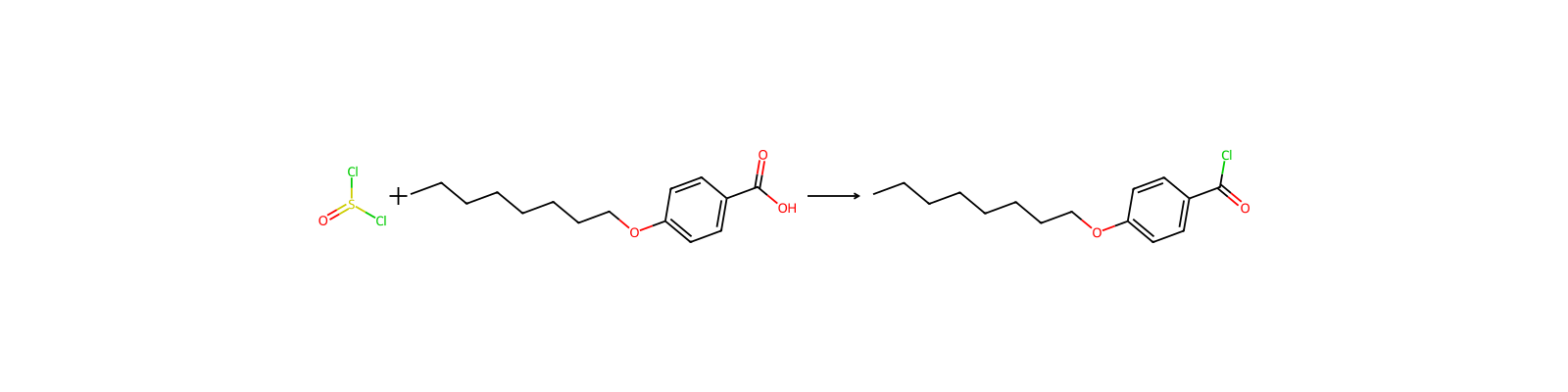
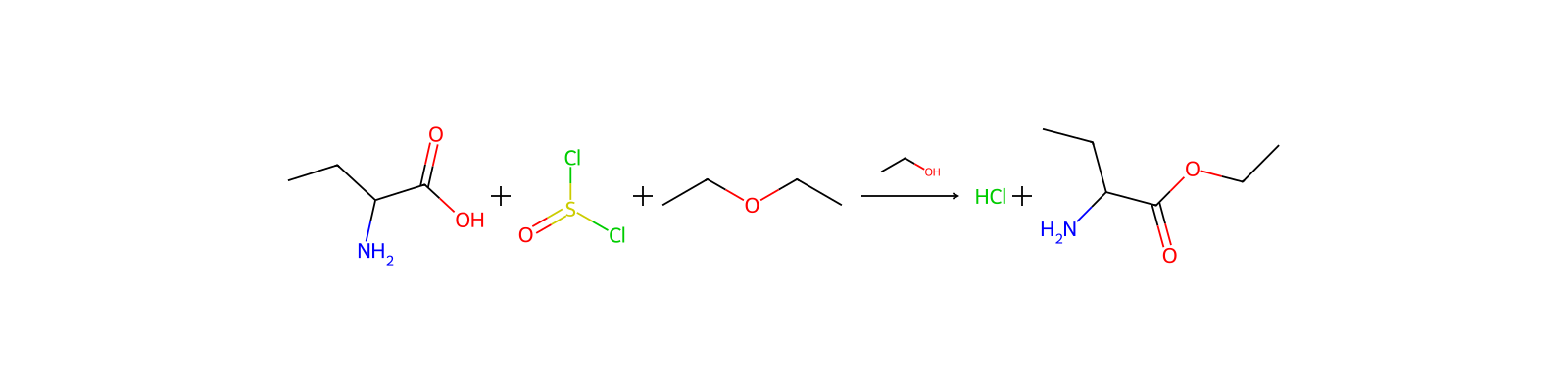
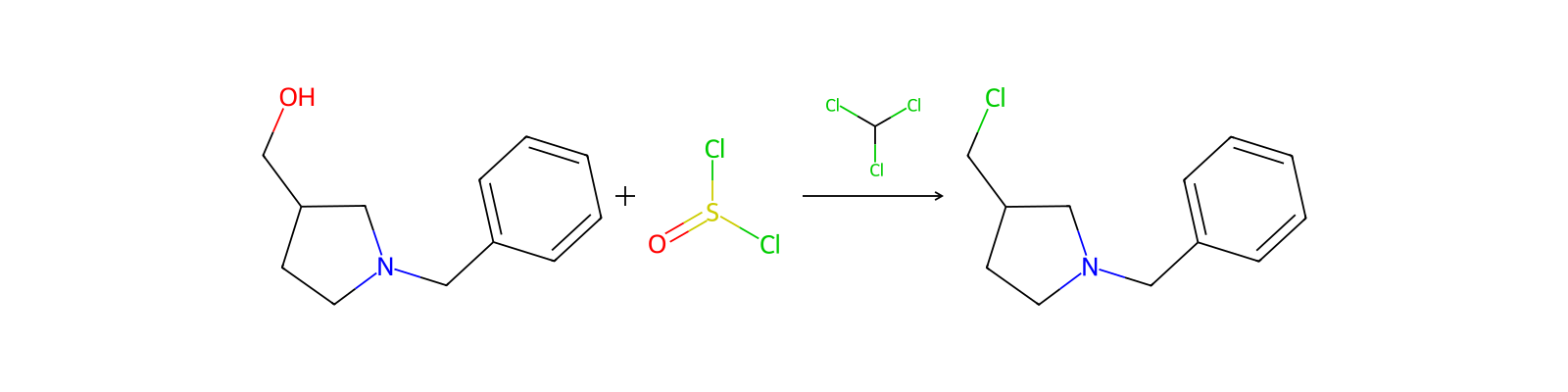
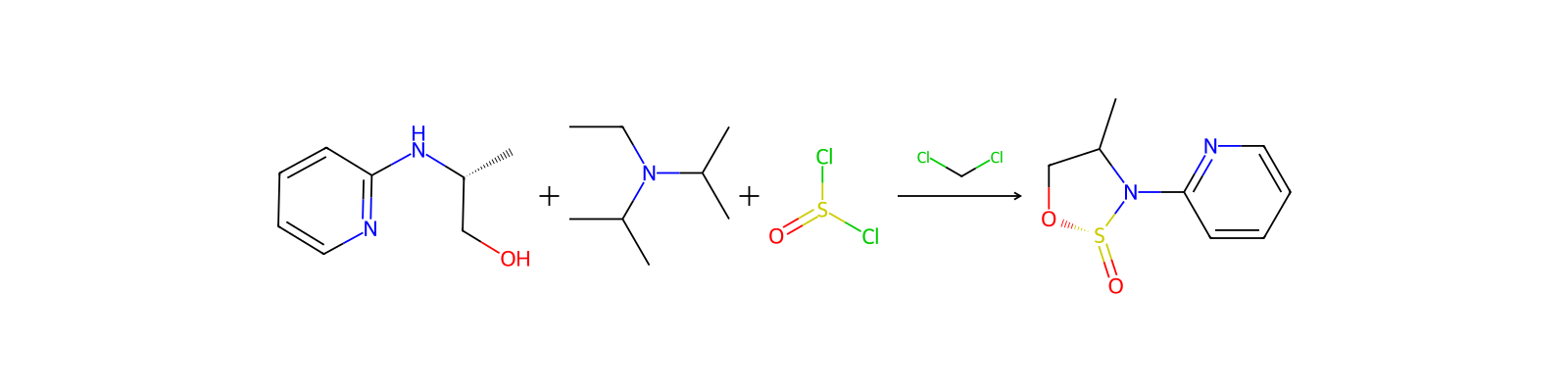
用途クロル化剤(アルコール性水酸基のクロル化、カルボン酸のクロル化、酸無水物のクロル化、有機スルホン酸?ニトロ化合物のクロル置換)、脱水作用(二重結合の生成、酸無水物の生成、ニトリルの生成)、分子内閉環(トリアジン生成、ピロリドン生成、アミド生成)、クロロスルホン化剤、ベックマン転位
用途有機合成(和光試薬時報Vol.63 No.3,p.27(1995))。
使用Thionyl chloride (SOCl2) is used as a chlorinating agent in manufacturing organic compounds. It is also used as a solvent in high-energy lithium batteries.
一般的な説明Thionyl chloride appears as a colorless to yellow fuming liquid with a suffocating pungent odor. Boiling point 79 °C. A lachrymator. Highly corrosive and toxic. Long-term inhalation of low concentrations or short-term inhalation of high concentrations has adverse health effects.
使用用途塩化チオニルは、染料・医療・農薬などの有機合成において、水酸基やメルカプト基を塩素原子で置換する際に用いられています。また、グリニャール試薬と反応させ、スルホン基を導入するのにも、塩化チオニルが使用可能です。その他、無水の金属ハロゲン化物を得るための脱水剤としても使用されています。 液体状の塩化チオニルは、塩化チオニルの正極活物質として重宝されています。塩化チオニルリチウム電池は、のバックアップ用をはじめ、エレクトロニクス機器電源、電力、ガス、水道メーター用電源などに広く利用されています。
調製方法
製造方法Sulfurous oxychloride can be prepared by oxidation of sulfur dichloride with sulfur trioxide: SCl2 + SO3 → SOCl2 + SO2 Also, the compound can be prepared by reacting sulfur dioxide with phosphorus pentachloride: SO2 + PCl5 → SOCl2 + POCl3.
純化方法Crude SOCl2 can be freed from sulfuryl chloride, sulfur monochloride and sulfur dichloride by refluxing it with sulfur and then fractionally distilling twice. [The SOCl2 is converted to SO2 and sulfur chlorides. The S2Cl2 (b 135.6o) is left in the residue, whereas SCl2 (b 59o) passes over in the forerun.] The usual purification is to distil it from quinoline (50g SOCl2 to 10g quinoline) to remove acid impurities, followed by distillation from boiled linseed oil (50g SOCl2 to 20g of oil). Precautions must be taken to exclude moisture. Thionyl chloride is used extensively in organic syntheses and can be prepared by distillation of technical SOCl2 in the presence of diterpene (12g/250mL SOCl2), and avoiding overheating. Further purification is achieved by redistillation from linseed oil (1-2%) [Rigby Chem Ind (London) 1508 1969]. Gas chromatographically pure material is obtained by distillation from 10% (w/w) triphenyl phosphite [Friedman & Wetter J Chem Soc (A) 36 1967, Larsen et al. J Am Chem Soc 108 6950 1986]. HARMFUL VAPOURS.
上流・下流製品情報
上流原料
下流製品
サプライヤー50 社
国药集团化学试剂有限公司86-21-63210123 · [email protected]
上海阿拉丁生化科技股份有限公司400-6206333 13167063860 · [email protected]
上海伟聂化工科技有限公司13046668259 · [email protected]
南通润丰石油化工有限公司66017690 19952660367 · [email protected]
Career Henan Chemica Co+86-0371-86658258 +86-13203830695 · [email protected]
合肥翰刚医药科技有限公司+8618062405514 · [email protected]
山东利尔邦新材料有限公司15253390963 15853386234 · [email protected]
常州市紫东联化进出口有限公司0519-85560282 13656141470 · [email protected]
Hebei shuoxi biotechnology co. LTD+8613081092107
山东前元高分子材料有限公司18678041314 18765609661 · [email protected]
阿法埃莎(中国)化学有限公司400-6106006 · [email protected]
上海德默医药科技有限公司400-021-7337 2355568890 · [email protected]
安耐吉化学&3A(安徽泽升科技股份有限公司)400-0056266 · [email protected]
上海瀚鸿科技股份有限公司021-54306202 13764082696 · [email protected]
河北缤享新材料科技有限公司+8618633865755 · [email protected]
山东洛克化工有限公司17653113209 13065062079 · [email protected]
上海景颜化工科技有限公司13817811078 · [email protected]
嘉兴市艾森化工有限公司0573-85285100 18627885956 · [email protected]
池州捷峰生物科技有限公司0566-8928158 · [email protected]
上海泰坦科技股份有限公司400-6009262 15618770481 · [email protected]
上海忆嵘生物科技有限公司18049974220 · [email protected]
上海竺钥化工有限公司021-33559231 18964673308 · [email protected]
Hebei shenghao import and export trade co. LTD+8618431136903
HONG KONG IPURE BIOLOGY CO.,LIMITED86 18062405514 18062405514 · [email protected]
四川库利南科技有限公司400-1166-196 18981987031 · [email protected]
河南萬象化工有限公司(优势生产供应!)0371-56669001 13949088811 · [email protected]
南京维奥化工有限公司Please Send Email 18652950785 · [email protected]
南京化学试剂股份有限公司025-58369808 17895012682 · [email protected]
斯百全化学(上海)有限公司021-021-021-67601398-809-809-809 15221380277 · [email protected]
艾科试剂4008-755-333 18080918076 · [email protected]
赛默飞世尔科技(中国)有限公司800-810-5118 · [email protected]
上海特伯化学科技有限公司+86-21-60341587 · [email protected]
南京诺利斯医药科技有限公司13901585132 · [email protected]
江苏艾康生物医药研发有限公司025-66113011 13913916777 · [email protected]
TOKYO CHEMICAL INDUSTRY CO., LTD.03-36680489 · [email protected]
南京生利德生物科技有限公司025-57798810 18652991625 · [email protected]
北京环宇世纪化学科技有限公司hysj_bj.com
上海将来实业股份有限公司400-0066400 13621662912 · [email protected]
HBCChem, Inc.+1-510-219-6317 · [email protected]
美岚实业(上海)有限公司021-58958189 · [email protected]
上海爱蝶实业有限公司021-58957966 18930537195 · [email protected]
成都零六生物科技有限公司400-1166-196 13458535857 · [email protected]
广拓化学(上海)有限公司021-60899189-8001 18918189673 · [email protected]
雷丁试剂0510-85629785 18013409632 · [email protected]
上海麦克林生化科技股份有限公司15221275939 15221275939 · [email protected]
上海凯赛化工有限公司021-33516722 13701817765 · [email protected]
成都润泽本土化工有限公司13096311329 028-88469284 616445927 · [email protected]
池州凯隆进出口贸易有限公司[email protected]
九鼎化学(上海)科技有限公司4009209199 · [email protected]
山东智尚新材料有限公司+8617653113209 · [email protected]
補足説明
定義ChEBI: Thionyl chloride is a sulfinyl halide in which both of the halide atoms are chorines. It is a sulfinyl halide and a chlorine molecular entity.
関連反応
28,003 件
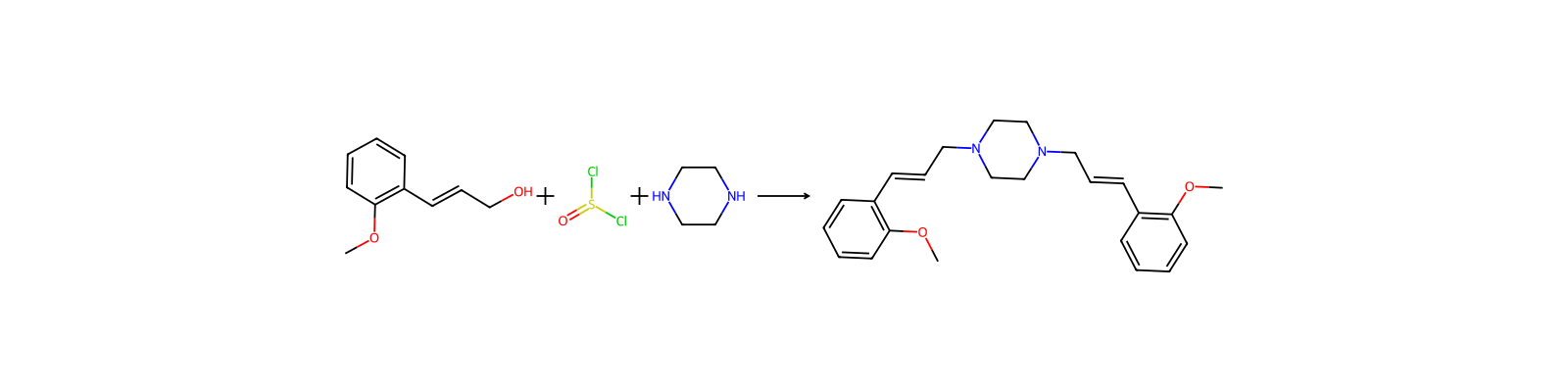

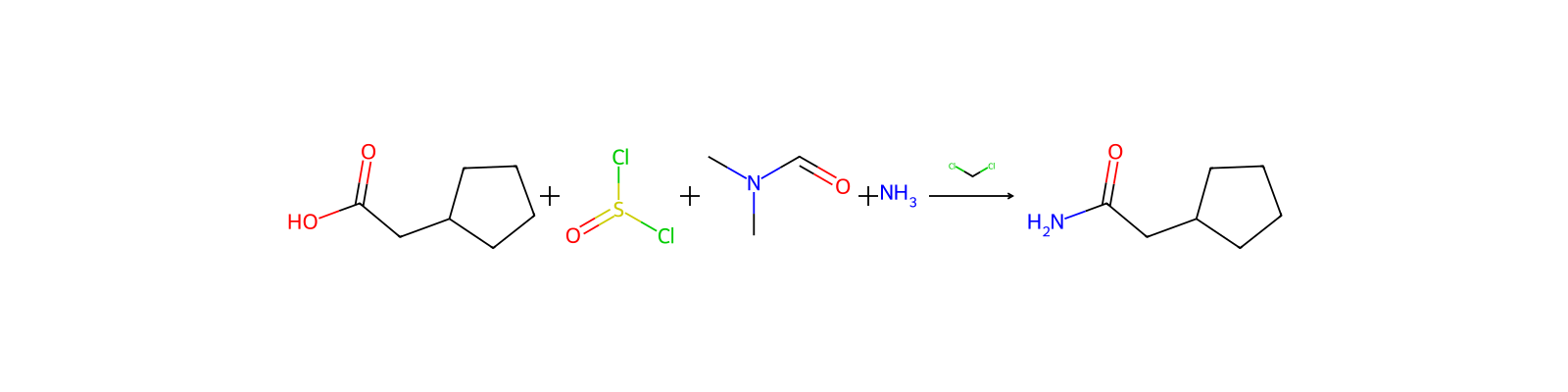
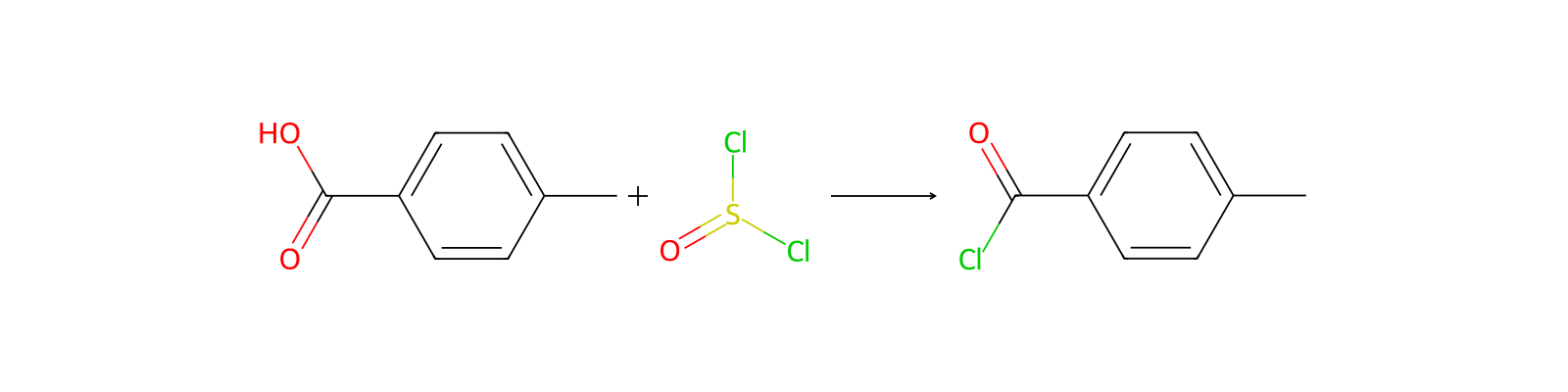
関連ノート
読み込み中…