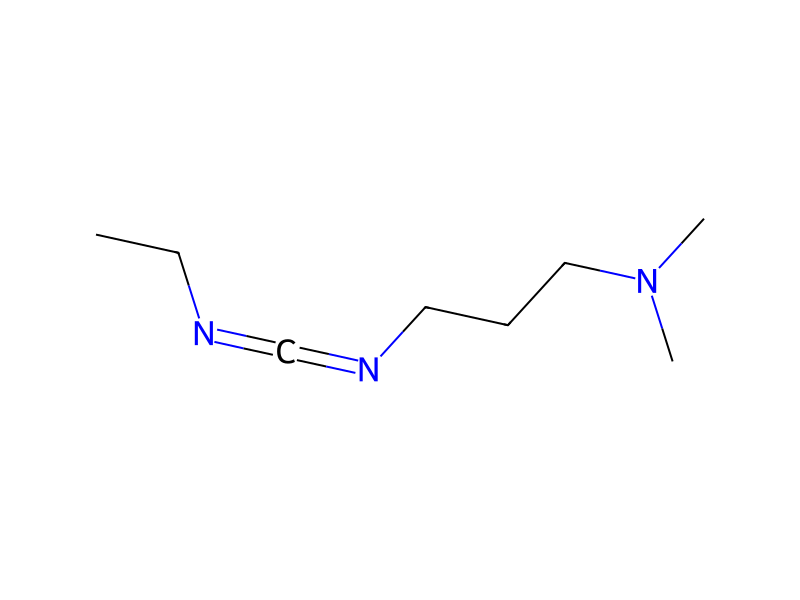
[O:1]=[C:2]1[C:7]2[CH:8]=[CH:9][CH:10]=[CH:11][C:6]=2[S:5][C:4]([C:12]2[N:17]=[C:16]([C:18]([OH:20])=O)[CH:15]=[CH:14][CH:13]=2)=[N:3]1.[NH2:21][CH2:22][CH2:23][OH:24].CCN=C=NCCCN(C)C.C1C=CC2N(O)N=NC=2C=1>CN(C=O)C.O.C(OCC)(=O)C>[OH:24][CH2:23][CH2:22][NH:21][C:18]([C:16]1[CH:15]=[CH:14][CH:13]=[C:12]([C:4]2[S:5][C:6]3[CH:11]=[CH:10][CH:9]=[CH:8][C:7]=3[C:2](=[O:1])[N:3]=2)[N:17]=1)=[O:20]6-(4-Oxo-4H-1,3-benzothiazin-2-yl)-2-pyridinecarboxylic acid (1.00 g, 3.5 mmol) was dissolved in DMF (20 ml). 2-Aminoethanol (0.51 g, 8.3 mmol), WSC (1.34 g, 7.0 mmol) and HOBt (0.95 g, 7.0 mmol) were added thereto, and the mixture was stirred at 80° C. for 6 hrs. The reaction mixture was combined with ethyl acetate and water. The organic layer was washed with saturated brine and dried over anhydrous magnesium sulfate. The solvent was evaporated, and the residue was subjected to a silica gel column chromatography. The fractions eluted with ethyl acetate-methanol (4:1, v/v) were collected, concentrated and recrystallized from diisopropyl ether-methanol to give the titled compound (0.12 g, 10%) as pale yellow crystals.