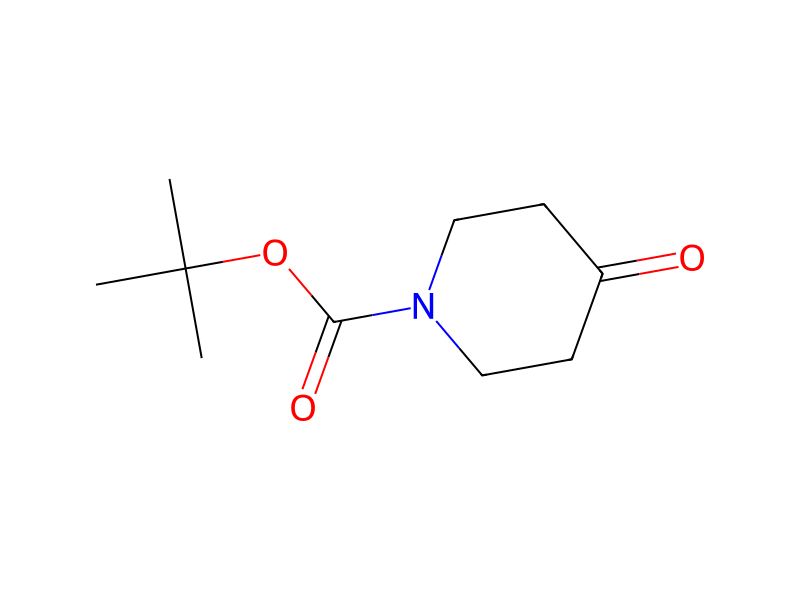
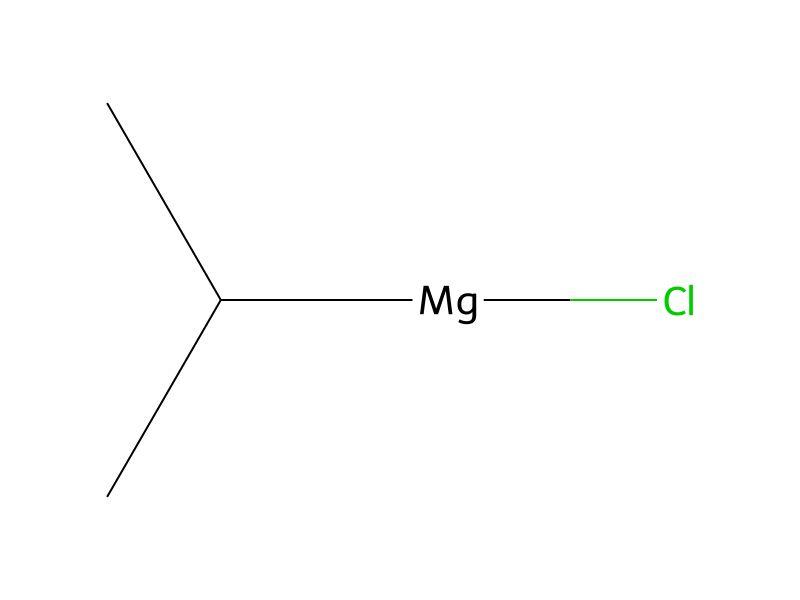
To solution of 1,3-dichloro 4-iodobenzene (1.0 g, 3.66 mmol) in tetrahydrofuran (10 mL) at −20° C. was added isopropyl magnesium chloride (2M in tetrahydrofuran, 1.9 mL, 3.84 mmol). The solution was stirred for 30 min and then a solution of 4-oxo-piperidine-1-carboxylic acid tert-butyl ester (0.73 g, 3.66 mmol) in tetrahydrofuran (5 mL) was added. The solution was allowed to warm to room temperature with stirring for 18 h. The reaction was quenched with a saturated aqueous solution of ammonium chloride (10 mL) and extracted with ethyl acetate (3×10 mL). The organic extracts were combined, washed with brine (20 mL), dried over sodium sulfate and concentrated in vacuo. The residue was dissolved in methanol (20 mL) followed by addition of sodium borohydride (0.14 g, 3.66 mmol). The resulting mixture was left stirring for 30 min. Methanol was removed in vacuo. Water (20 mL) was added to the residue and extracted with ethyl acetate (25 mL). The organic phase was dried over sodium sulfate. The gum obtained was chromatographed on silica gel using dichloromethane/methanol from 100% to 98% dichloromethane in a gradient fashion, to give the title compound as a white foamy solid (0.38 g, 30%). The material was used in next reaction without further purification.