Bromine → 3-bromo-2-phenyl-6,7-dihydro-5H-pyrazolo[5,1-b][1,3]oxazine
HRID 570132
反応式

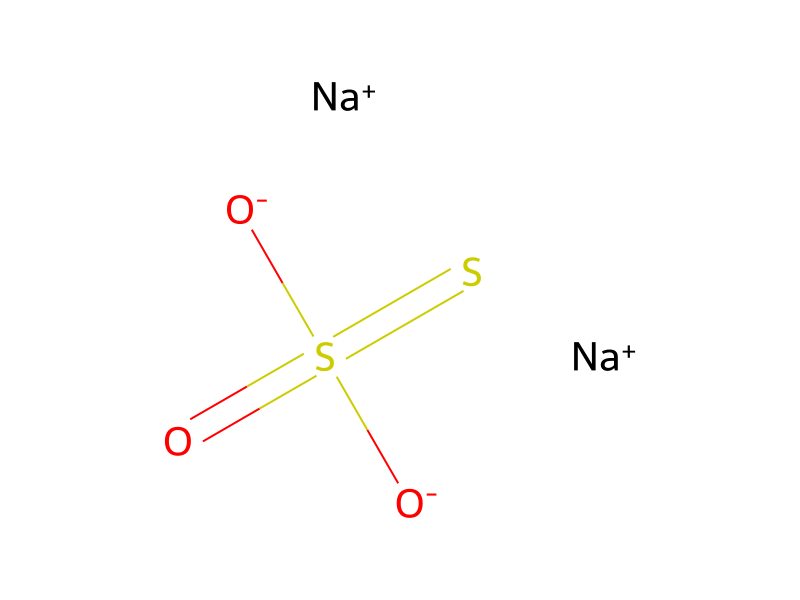
[C:1]1([C:7]2[CH:15]=[C:10]3[O:11][CH2:12][CH2:13][CH2:14][N:9]3[N:8]=2)[CH:6]=[CH:5][CH:4]=[CH:3][CH:2]=1.[Br:16]Br.S([O-])([O-])(=O)=S.[Na+].[Na+]>C(Cl)(Cl)Cl>[Br:16][C:15]1[C:7]([C:1]2[CH:2]=[CH:3][CH:4]=[CH:5][CH:6]=2)=[N:8][N:9]2[CH2:14][CH2:13][CH2:12][O:11][C:10]=12参加物
5




実験手順
To a solution of 2-phenyl-6,7-dihydro-5H-pyrazolo[5,1-b][1,3]oxazine (6.3 g, 0.031 mol) in 60 mL chloroform is added a solution of bromine (1 eq, 5.03 g, 0.031 mol) in 40 mL chloroform over a period of 25 min at room temperature. The resulting suspension is stirred for 4 h at room temperature. Thereafter the reaction mixture is treated with aqueous sodium thiosulfate, the phases are separated and the organic phase is washed with water and dried over sodium sulfate. The volatiles are evaporated and the crude product is purified by filtration over silica using a 1:1 mixture of ethyl acetate/cyclohexane as eluent. After evaporation of the solvent 7.0 g (90%) of 3-bromo-2-phenyl-6,7-dihydro-5H-pyrazolo[5,1-b][1,3]oxazine are obtained as solid.