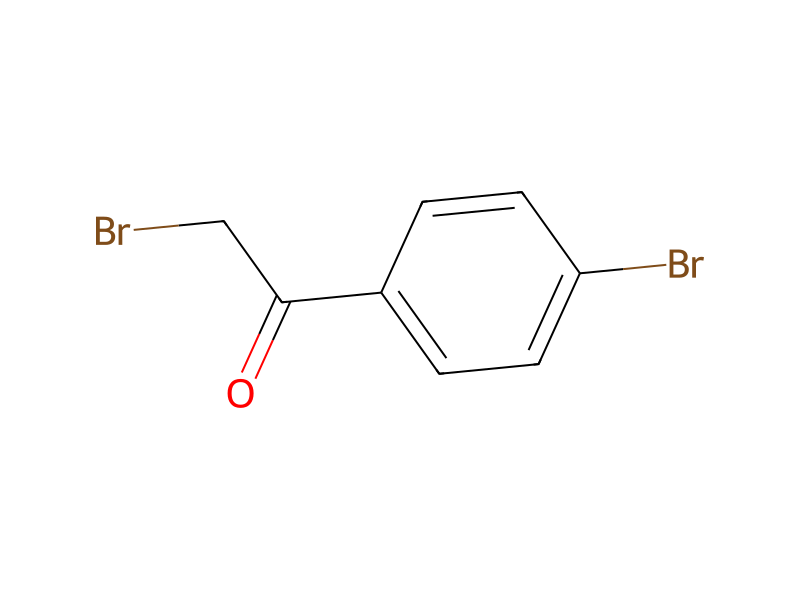
To a cooled (0° C.) suspension of 2-bromo-1-(4-bromophenyl)ethanone (40.24 g; 0.14 mol) in EtOH (500 mL) and CHCl3 (100 mL) was added benzylamine (63 mL; 0.58 mol). After 30 minutes the ice-bath was removed and the mixture stirred for another 2 hours at RT. Subsequently the reaction mixture was cooled again to 0° C. and NaBH4 (6.26 g; 165.5 mmol) was added in small portions. The resulting mixture was stirred at 0° C. for 1 hour and thereafter another 4 hours at RT. The reaction mixture was quenched with 1M aqueous HCl (750 mL) at 0° C. and stirred at RT for 1 hour. The reaction mixture was concentrated in vacuo and the residue was partitioned between EtOAc and 1M aqueous NaOH. The organic layer was dried (Na2SO4), filtered, concentrated in vacuo. The residue was crystallized from tort-butyl methyl ether/heptanes to afford 2-benzylamino-1-(4-bromo-phenyl)-ethanol (18.8 g).