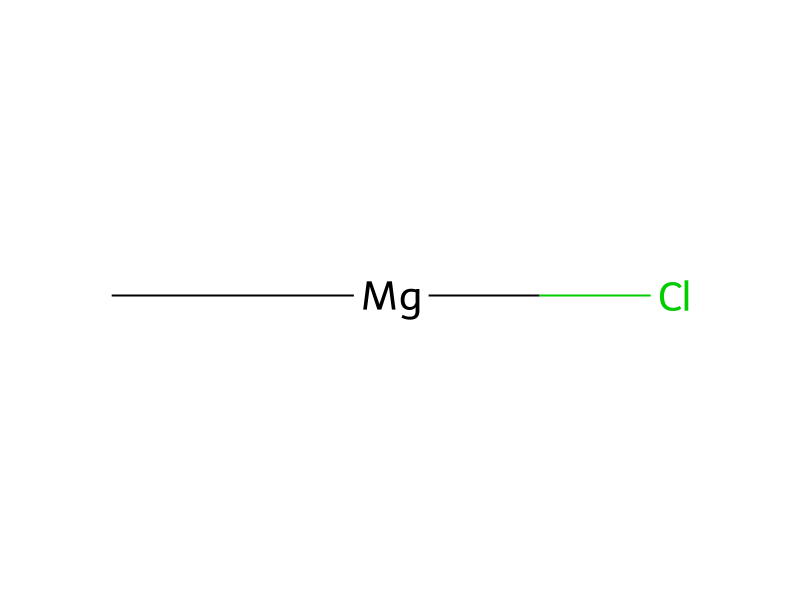
[PdCl(π-allyl)]2 (23.1 mg, 0.1 mol %) and cBRIDP (89.0 mg, 0.4 mol %) were placed into a 50 mL, two-necked, round bottomed flask equipped a gas inlet, and the flask was evacuated and filled with nitrogen. Subsequently, to the mixture was added dehydrated THF (8.2 mL, 101.0 mmol, 1.6 equivalents) to prepare a catalyst solution. A 200 mL, four-necked, round-bottomed flask equipped with a Teflon® coated magnetic stirring bar, condenser, dropping funnel, thermometer, and a gas inlet was evacuated and filled with nitrogen. Carbazole (10.9 g, 65.0 mmol, 1.03 equivalents) and dehydrated xylenes (66 mL) were charged into the flask, and the mixture was cooled to 5° C. using an ice bath. Subsequently, to the mixture was added a THF solution of MeMgCl (3.22 mol/L, 20.0 mL, 64.4 mmol, 1.02 equivalents) dropwise via the dropping funnel at such a rate that the temperature of the reaction solution was kept at 20° C. or lower, and then the dropping funnel was washed with dehydrated xylenes (11 mL). Subsequently, to the solution were added 2-chlorothiophene (5.8 mL, 63.1 mmol, 1.0 equivalent) and the catalyst solution (8.2 mL) successively, and the solution was stirred for 2 hours under reflux. After cooling the reaction mixture to room temperature, to the mixture were added water (25 mL) and ammonium chloride (1.7 g). The aqueous layer was separated off, and the organic layer was concentrated under reduced pressure to give oily residue, which was purified by silica gel chromatography (eluent: n-hexane/toluene=2/1) to afford 15.4 g of 2-(N-carbazolyl)thiophene as a pale yellow solid.