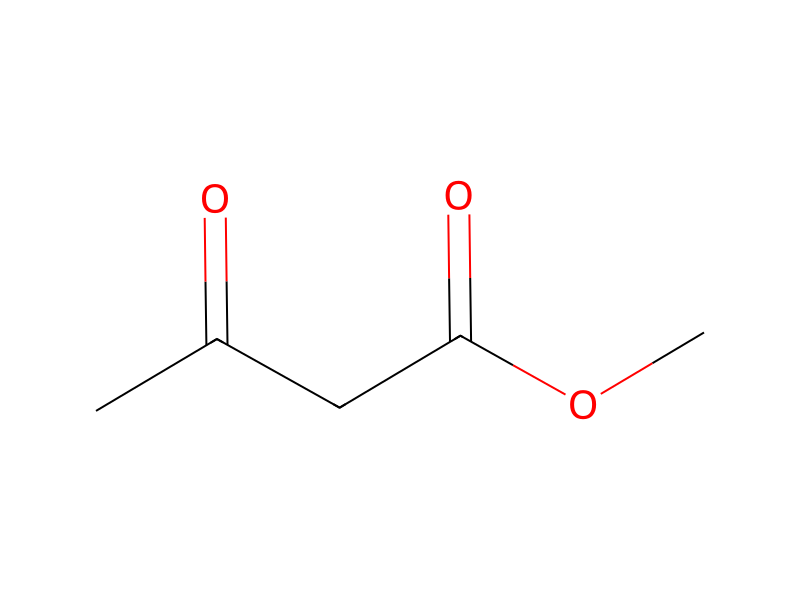
Cl.[S:2]1[CH:6]=[CH:5][N:4]=[C:3]1[C:7]([NH2:9])=[NH:8].[C:10]([O:16][CH3:17])(=[O:15])[CH2:11][C:12]([CH3:14])=O.[Cl:18][C:19]1[CH:26]=[C:25]([F:27])[CH:24]=[CH:23][C:20]=1[CH:21]=O.C([O-])(=O)C.[K+]>C(O)C(F)(F)F>[CH3:17][O:16][C:10]([C:11]1[CH:21]([C:20]2[CH:23]=[CH:24][C:25]([F:27])=[CH:26][C:19]=2[Cl:18])[N:8]=[C:7]([C:3]2[S:2][CH:6]=[CH:5][N:4]=2)[NH:9][C:12]=1[CH3:14])=[O:15]To a stirred solution of thiazole-2-carboxamidine hydrochloride (0.13 g, 1.0 mmol), methyl acetoacetate (0.12 g, 1.0 mmol) and 2-chloro-4-fluorobenzaldehyde (0.16 g, 1.0 mmol) in trifluoroethanol (8 mL) was added potassium acetate (0.20 g, 2.0 mmol). The reaction mixture was refluxed for 16 hours. After it was cooled to room temperature, the reaction mixture was concentrated and the residue was dissolved in ethyl acetate and then washed with brine. The organic layer was dried over sodium sulfate. The solvent was concentrated, and the residue was purified by column chromatography (ethyl acetate/petroleum ether is from 1/4 to 1/2) to afford 4-(2-chloro-4-fluoro-phenyl)-6-methyl-2-thiazol-2-yl-1,4-dihydro-pyrimidine-5-carboxylic acid methyl ester (Compound B) as a yellow solid. MS: calc'd (MH+) 366, measured (MH+) 366.