反応式

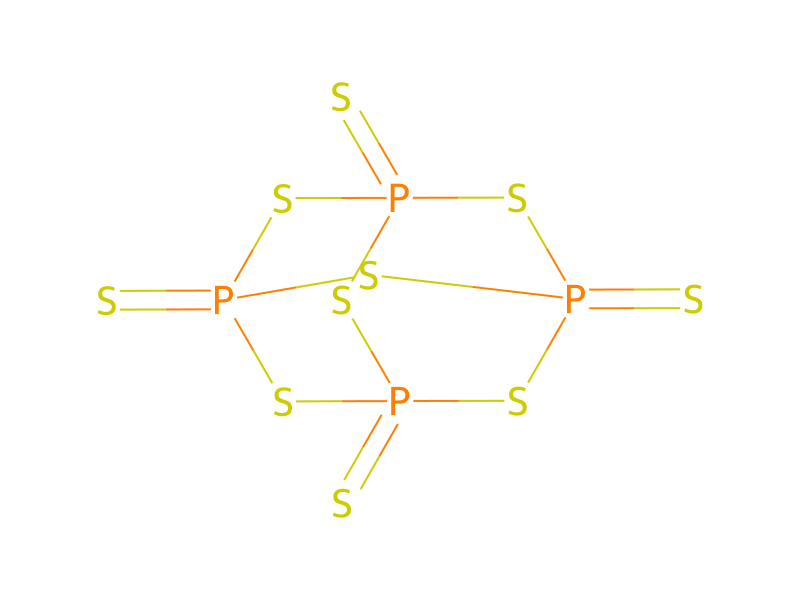
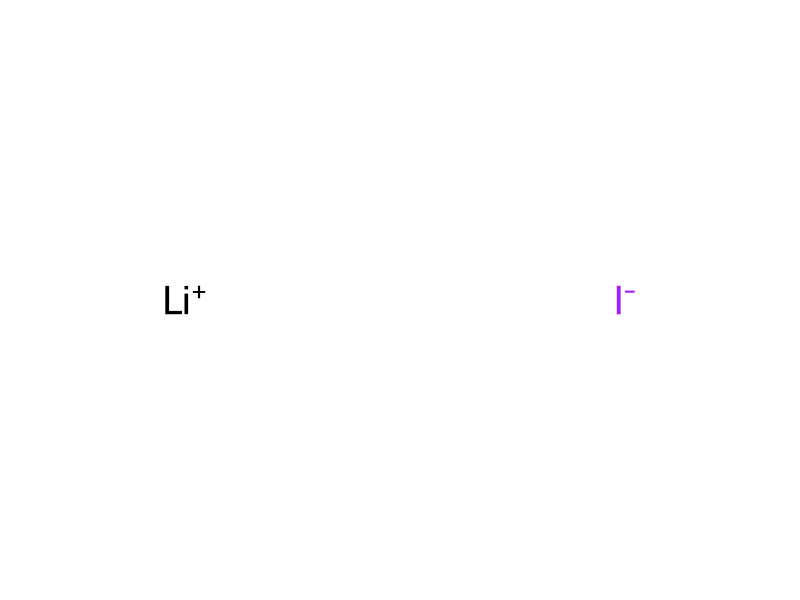
[S-2].[Li+].[Li+].[P:4]12([S:16][P:14]3([S:17][P:7]([S:9][P:10]([S:13]3)([S:12]1)=[S:11])(=[S:8])[S:6]2)=[S:15])=[S:5].[I-:18].[Li+].[S:20]([Li:22])[Li:21]>CCCCCCC>[I-:18].[Li+:21].[S:20]([Li:22])[Li:21].[P:4]12([S:6][P:7]3([S:9][P:10]([S:13][P:14]([S:17]3)([S:16]1)=[S:15])(=[S:11])[S:12]2)=[S:8])=[S:5]参加物



実験手順
As the starting materials, lithium sulfide (Li2S), phosphorus pentasulfide (P2S5) and lithium iodide (LiI) were used. After measuring Li2S and P2S5 to have a molar ratio of Li2S:P2S5=75:25, LiI was measured to be 30 mol % so as to be mixed in an agate mortar together. Then, 1 g of the mixture was introduced into a 45 ml of zirconia pot, 4 g of dehydrated heptane (moisture content 30 ppm or less) was introduced, and furthermore, a zirconia ball (φ5.5 mm, 53 g) was introduced, and then the pot was completely sealed. With the pot mounted on a planetary type ball mill machine (P7™ produced by Fritsch Japan Co., Ltd.), a mechanical milling operation was carried out for 40 times with a 500 rpm base plate rotational frequency by a one hour process and 15 minutes pause cycle. Thereafter, the obtained specimen was dried on a hot plate set at 100° C. for removing the heptane so as to obtain a sulfide solid electrolyte material (sulfide glass, LiI—Li2S—P2S5).
後処理
- additionto be mixed in an agate mortar together
- additionwas introduced
- customthe pot was completely sealed
- customWith the pot mounted on a planetary type ball mill machine (P7™ produced by Fritsch Japan Co., Ltd.)
- customprocess and 15 minutes
- customThereafter, the obtained specimen was dried on a hot plate
- customset at 100° C.
- customfor removing the heptane so as
出典と根拠
- ORDレコード
- ord-a70129eefc0c44ffaa31bc29e816473e
- 出典データセット
- uspto-grants-2016_01
- 特許番号
- US09236158B2
関連ノート
読み込み中…