Sodium Acetate → tert-Butyl 6-nitro-3',6'-dihydro-[3,4'-bipyridine]-1'(2'H)-carboxylate
HRID 592846
反応式

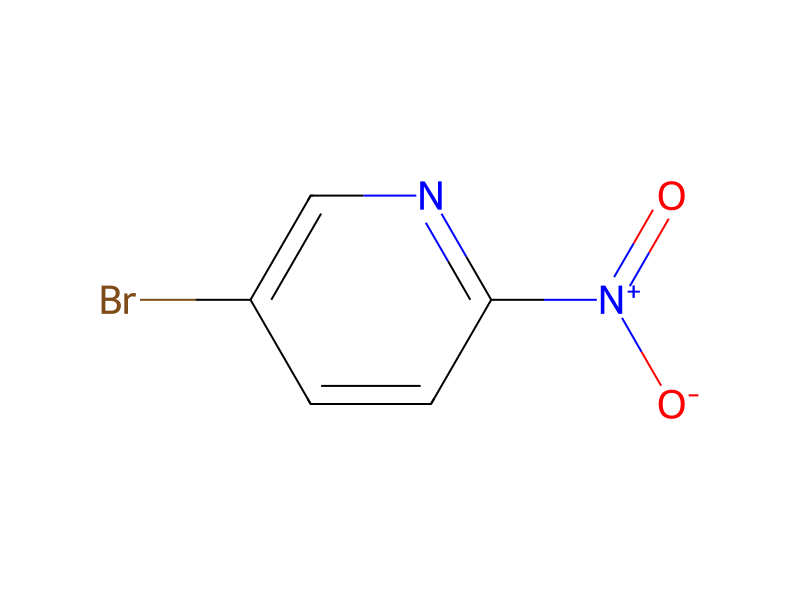
Br[C:2]1[CH:3]=[CH:4][C:5]([N+:8]([O-:10])=[O:9])=[N:6][CH:7]=1.CC1(C)C(C)(C)OB([C:19]2[CH2:24][CH2:23][N:22]([C:25]([O:27][C:28]([CH3:31])([CH3:30])[CH3:29])=[O:26])[CH2:21][CH:20]=2)O1.C([O-])(=O)C.[Na+]>C(#N)C.O.C1C=CC(P(C2C=CC=CC=2)[C-]2C=CC=C2)=CC=1.C1C=CC(P(C2C=CC=CC=2)[C-]2C=CC=C2)=CC=1.Cl[Pd]Cl.[Fe+2]>[N+:8]([C:5]1[N:6]=[CH:7][C:2]([C:19]2[CH2:24][CH2:23][N:22]([C:25]([O:27][C:28]([CH3:31])([CH3:30])[CH3:29])=[O:26])[CH2:21][CH:20]=2)=[CH:3][CH:4]=1)([O-:10])=[O:9]