反応式

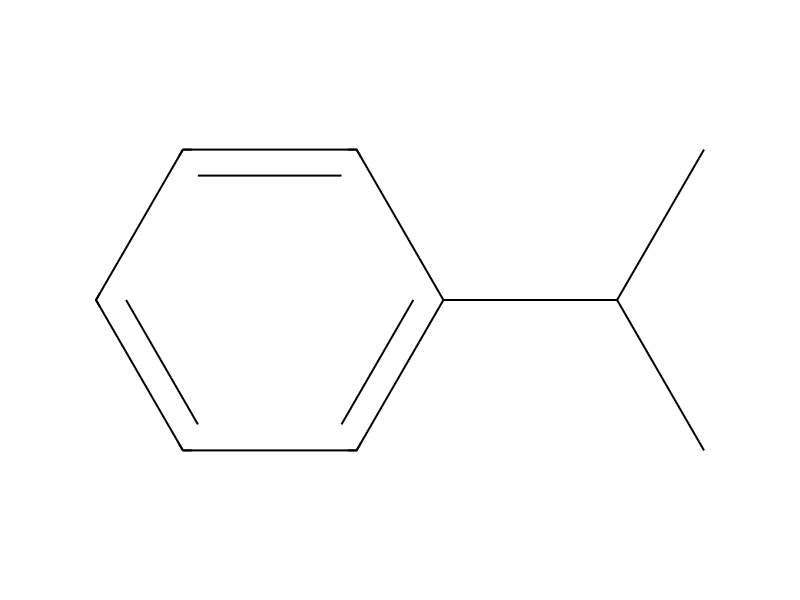
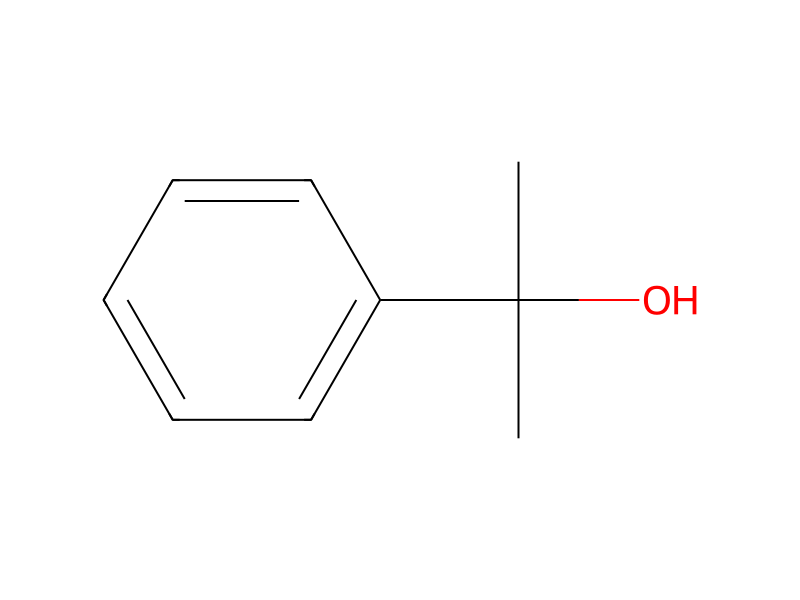
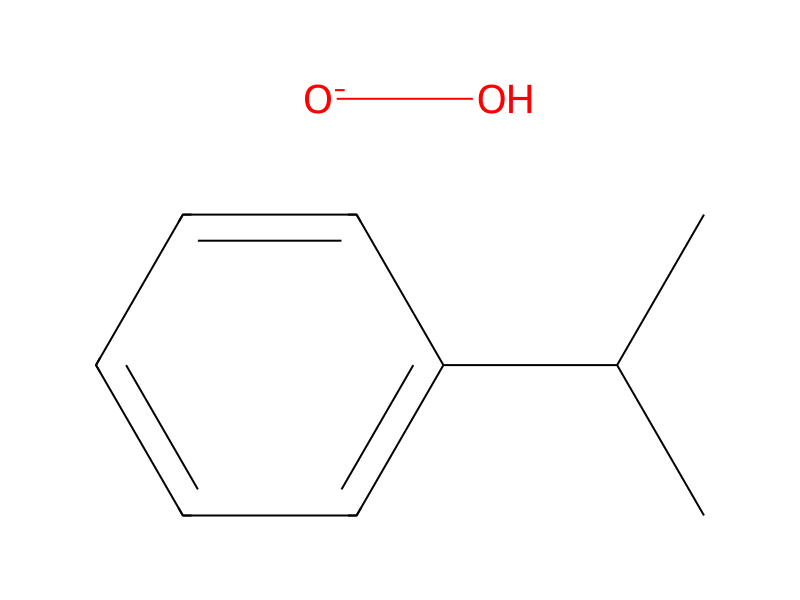
[C:1]1([CH:7]([CH3:9])[CH3:8])[CH:6]=[CH:5][CH:4]=[CH:3][CH:2]=1.C(C1C=CC(C(C)C)=CC=1)(C)C.[CH3:22][C:23](C)([C:25]1[CH:30]=[CH:29][CH:28]=[CH:27][CH:26]=1)[OH:24].[OH2:32]>>[C:23]([C:25]1[CH:30]=[CH:29][CH:28]=[CH:27][CH:26]=1)(=[O:24])[CH3:22].[O-:32][OH:24].[C:1]1([CH:7]([CH3:9])[CH3:8])[CH:6]=[CH:5][CH:4]=[CH:3][CH:2]=1参加物
6



実験手順
Using 79.9 g (0.665 mole) of cumene in lieu of p-diisopropylbenzene, oxidation was carried out in the same apparatus and under the same conditions as those employed in Example 1. The reaction product obtained subsequent to its water washing and drying was an oily matter whose weight was 79.6 g. According to results of a high-performance liquid chromatographic analysis, the oily matter was found to contain 3.1 g (0.026 mole; conversion: 96.1%) of cumene and 75.3 g (0.553 mole; yield: 83.2 mole %) of dimethylphenylcarbinol. Acetophenone or cumene hydroperoxide was not formed practically.
後処理
- customdrying
- customto results of a high-performance liquid chromatographic analysis
出典と根拠
- ORDレコード
- ord-2fb7bffb1d064be3b513c787f38a15b1
- 出典データセット
- uspto-grants-1989_04
- 特許番号
- US04825007
関連ノート
読み込み中…