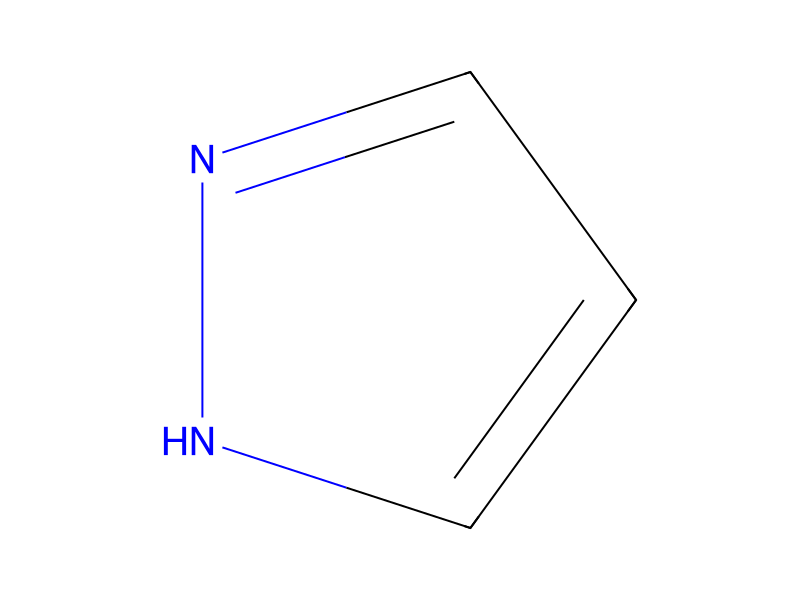
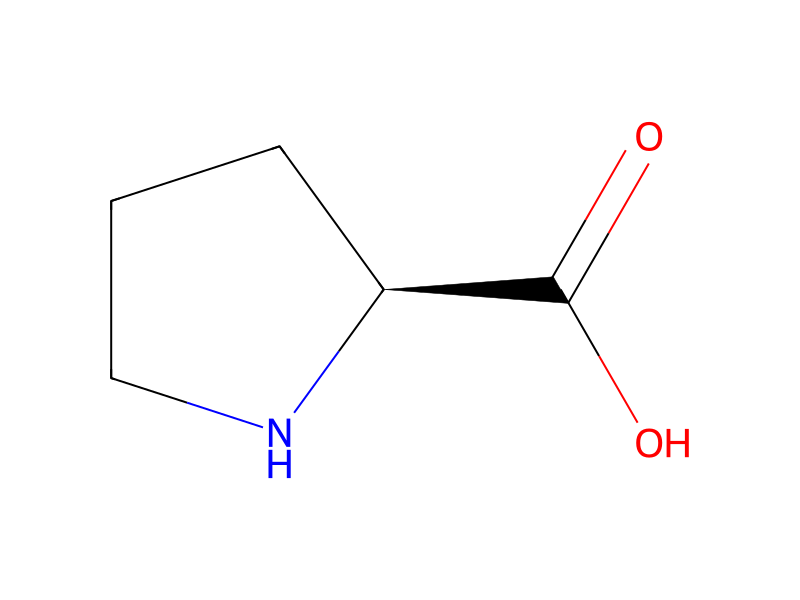
Br[C:2]1[CH:14]=[CH:13][C:12]2[C:11]3[C:6](=[CH:7][CH:8]=[CH:9][CH:10]=3)[N:5]([C:15]3[CH:20]=[CH:19][CH:18]=[CH:17][CH:16]=3)[C:4]=2[CH:3]=1.[NH:21]1[CH:25]=[CH:24][CH:23]=[N:22]1.C(=O)([O-])[O-].[K+].[K+].N1CCC[C@H]1C(O)=O>ClCCl.[Cu]I.CS(C)=O>[C:4]1([N:5]2[C:6]3[CH:11]=[C:10]([N:21]4[CH:25]=[CH:24][CH:23]=[N:22]4)[CH:9]=[CH:8][C:7]=3[C:20]3[C:15]2=[CH:16][CH:17]=[CH:18][CH:19]=3)[CH:12]=[CH:13][CH:14]=[CH:2][CH:3]=1A pressure vessel was charged with 2-bromo-9-phenyl-9H-carbazole (10 mmol), pyrazole (20 mmol), potassium carbonate (20 mmol), L-proline (2 mmol), copper(I) iodide (1 mmol), and dimethyl sulfoxide (25 mL). After three cycles of evacuation and backfilling with nitrogen, the vessel was sealed and stirred at 90° C. for three days. After cooling, the reaction mixture was diluted with dichloromethane (200 mL), washed four times with water (200 mL), and dried over magnesium sulfate. After removing the solvent under reduced pressure, the crude product was chromatographed over silica with hexane as the eluent, giving 9-phenyl-2-(1H-pyrazol-1-yl)-9H-carbazole in 45% yield.