Methylamine → Methyl-carbamic acid 3-(4-benzyloxy-phenyl)-isoxazol-5-ylmethyl ester
反応式

[CH2:1]([O:8][C:9]1[CH:14]=[CH:13][C:12]([C:15]2[CH:19]=[C:18]([CH2:20][OH:21])[O:17][N:16]=2)=[CH:11][CH:10]=1)[C:2]1[CH:7]=[CH:6][CH:5]=[CH:4][CH:3]=1.[C:22](N1C=CN=C1)([N:24]1C=CN=[CH:25]1)=[O:23].CN>C1COCC1>[CH2:1]([O:8][C:9]1[CH:14]=[CH:13][C:12]([C:15]2[CH:19]=[C:18]([CH2:20][O:21][C:22](=[O:23])[NH:24][CH3:25])[O:17][N:16]=2)=[CH:11][CH:10]=1)[C:2]1[CH:7]=[CH:6][CH:5]=[CH:4][CH:3]=1参加物
5
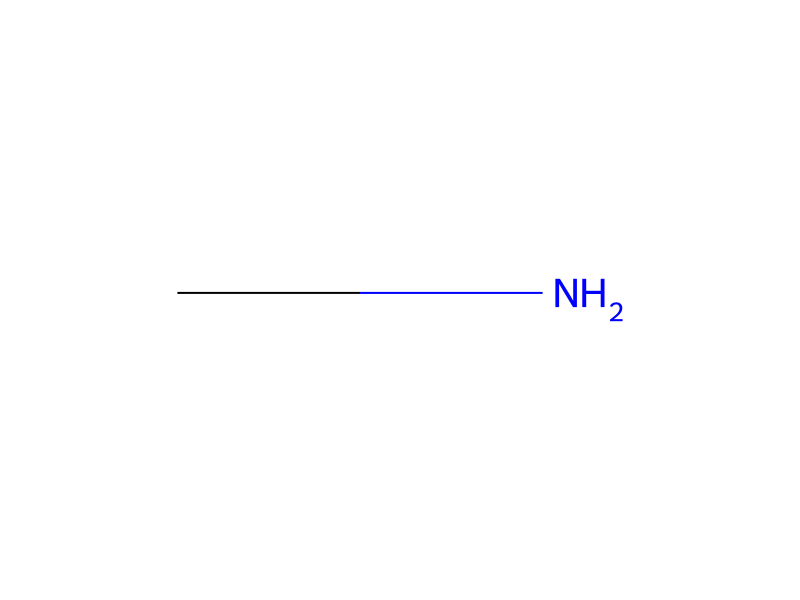



実験手順
0.5 g of the compound [3-(4-benzyloxy-phenyl)-isoxazol-5-yl]-methanol in Example 1 was dissolved in 10 ml of THF, to which solution was added 0.49 g (1.7 equivalents) of 1,1′-carbonyldiimidazole. The consumption of all the reactants was confirmed by TLC, and 2 equivalents of methyl amine were added to the reaction solution. 2 hours later, the solvent was distilled off under reduced pressure, 50 ml of a 1N—HCl aqueous solution was placed in the reactants, and the mixture was extracted three times with 30 ml of ethyl acetate. An obtained organic layer was distilled under reduced pressure, followed by column chromatography to obtain methyl-carbamic acid 3-(4-benzyloxy-phenyl)-isoxazol-5-ylmethyl ester as a desired compound.