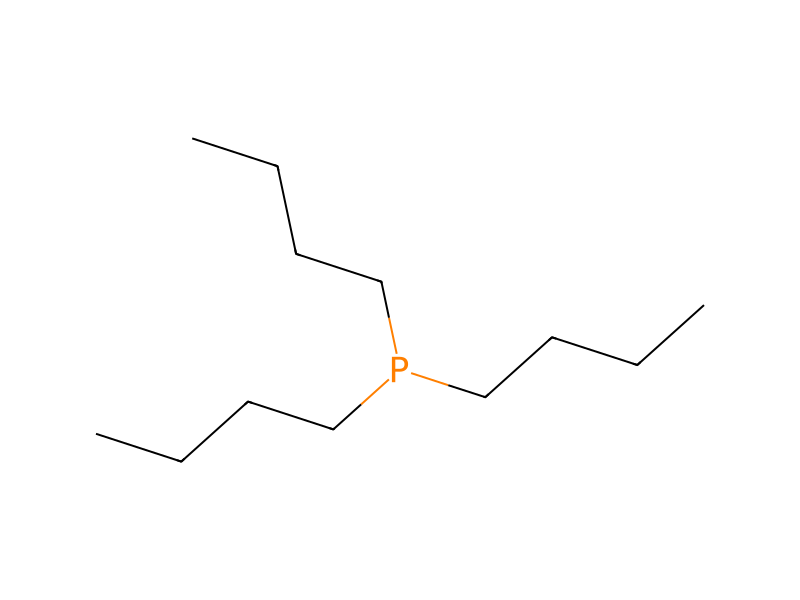
The crude 1-(azulen-1-yl)ethanol prepared in Example 72, Step A was dissolved in dehydrated THF (380 mL), and stirred with cooling on ice under nitrogen atmosphere. This reaction mixture was added with phthalimide (45.0 g, Kanto Kagaku), tri-n-butylphosphine (37.7 mL, Kanto Kagaku), and 1,1′-azobis(N,N′-dimethylformamide) (26.3 g, Midori Kagaku), and stirred at room temperature for 16 hours under nitrogen atmosphere. The solid was removed by filtration, and the filtrate was concentrated under reduced pressure. The residue was added with saturated aqueous sodium hydrogencarbonate, and extracted with ethyl acetate. The organic layer was washed with saturated brine, and dried over anhydrous sodium sulfate, and the solvent was evaporated under reduced pressure. The residue was purified by silica gel chromatography (hexane:ethyl acetate=6:1), to obtain 16.8 g of the title compound.