反応式

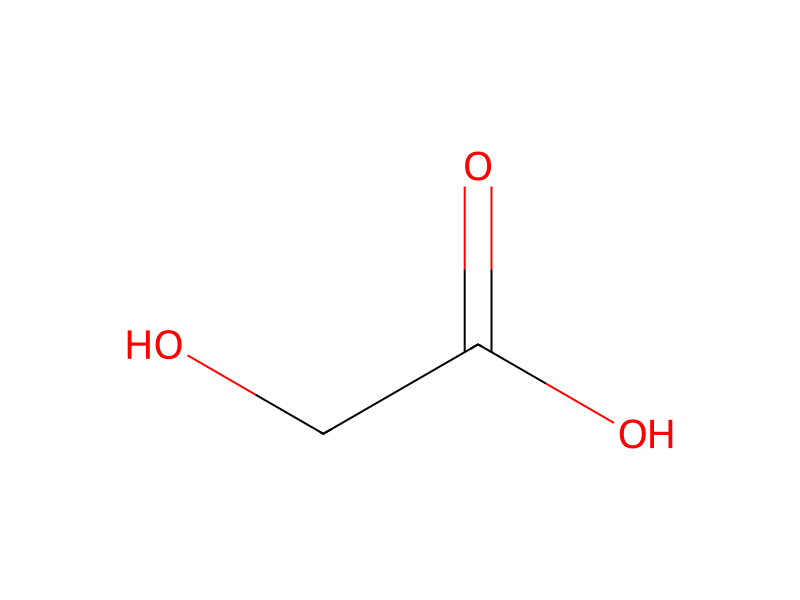
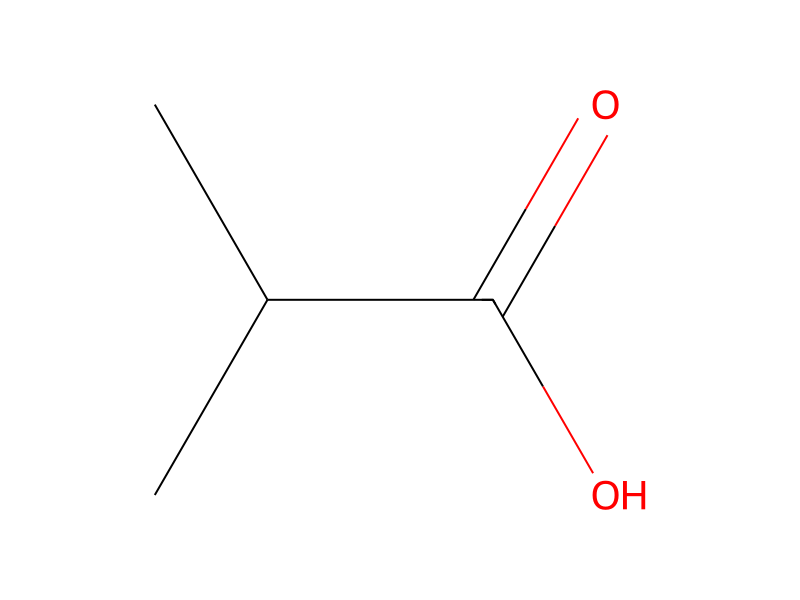
[C:1]([OH:5])(=[O:4])[CH2:2][OH:3].CC1ONC(=[O:10])C=1CC(N)[C:15]([OH:17])=[O:16].C(O)(=O)C(C)C.[C:25]([O-:29])(=[O:28])[CH2:26][OH:27].CCCCCCCCCCCCC[N+](CC1C=CC=CC=1)(C)C.[Cl-].[OH-].[Na+]>>[C:1]([O-:5])(=[O:4])[CH:2]=[O:3].[CH:15]([O-:17])=[O:16].[C:26]([O-:10])(=[O:27])[C:25]([O-:29])=[O:28]参加物
9




実験手順
The reaction in Example 12 was repeated., using a mixture containing glycolic acid (0.500M), AMPA (0.525M), isobutyric acid (0.100M, HPLC internal standard), flavin mononucleotide (0.01 mM), and 0.72 g of Hansenula polymorpha transformant G01 (43.0 IU glycolate oxidase and 39,880 IU catalase) which had been permeabilized by treatment with 0.2% benzalkonium chloride (Lonza Barquat OJ-50) at pH 8.3 (adjusted with 50% NaOH) and 5° C. After 1 h, the HPLC yields of glyoxylate, formate, and oxalate were 50.2%, 47.4%, and 1.1%, respectively, and 2.2% glycolate remained. The remaining permeabilized cell activity of glycolate oxidase and catalase were 95% and 105%, respectively, of their initial values.
後処理
- customThe reaction in Example 12
出典と根拠
- ORDレコード
- ord-35d3ab2391ce41708cab3652593ef4d7
- 出典データセット
- uspto-grants-1996_09
- 特許番号
- US05559020
関連ノート
読み込み中…