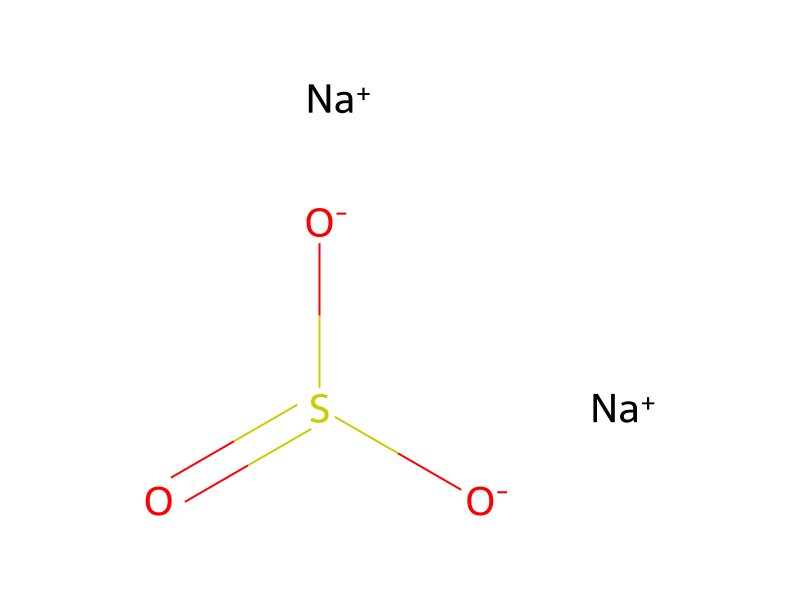
[CH:1]([C@@H:14]1[CH2:19][CH:18]=[CH:17][CH2:16][O:15]1)([C:8]1[CH:13]=[CH:12][CH:11]=[CH:10][CH:9]=1)[C:2]1[CH:7]=[CH:6][CH:5]=[CH:4][CH:3]=1.C1C=C(Cl)C=C(C(OO)=[O:28])C=1.[O-]S([O-])=O.[Na+].[Na+]>C(Cl)Cl>[CH:1]([C@@H:14]1[CH2:19][C@@H:18]2[C@@H:17]([O:28]2)[CH2:16][O:15]1)([C:8]1[CH:9]=[CH:10][CH:11]=[CH:12][CH:13]=1)[C:2]1[CH:7]=[CH:6][CH:5]=[CH:4][CH:3]=1To a solution of (2S)-2-benzhydryl-3,6-dihydro-2H-pyran 27a (0.15 g, 0.6 mmol) in CH2Cl2 (20 ml) was added mCPBA (0.3 g, 70%, 1.2 mmol) in a portionwise manner at 0° C. The mixture was brought to room temperature and the reaction mixture was stirred for 20 h under N2. Na2SO3 (20 ml 1.0 M solution) was added to the reaction mixture at 0° C. to quench the reaction. The aqueous phase was extracted with CH2Cl2 (20 ml×2). The combined organic phase was washed in turn with saturated NaHCO3 and brine, then dried over anhydrous Na2SO4. Evaporation of the solvent gave light brown solid residue. The crude products were purified by flash chromatography on silica gel (hexane/ethyl ether=9:1) to give 0.08 g (1S,4S,6R)-4-benzhydryl-3,7-dioxa-bicyclo[4.1.0]-heptane 28a (50.3%, [α]D=(−)60, c=1, MeOH) and 0.065 g 28b (1R,4S,6S)-4-benzhydryl-3,7-dioxa-bicyclo[4.1.0]-heptane (41%, [α]D=(−) 76, c=1, MeOH).