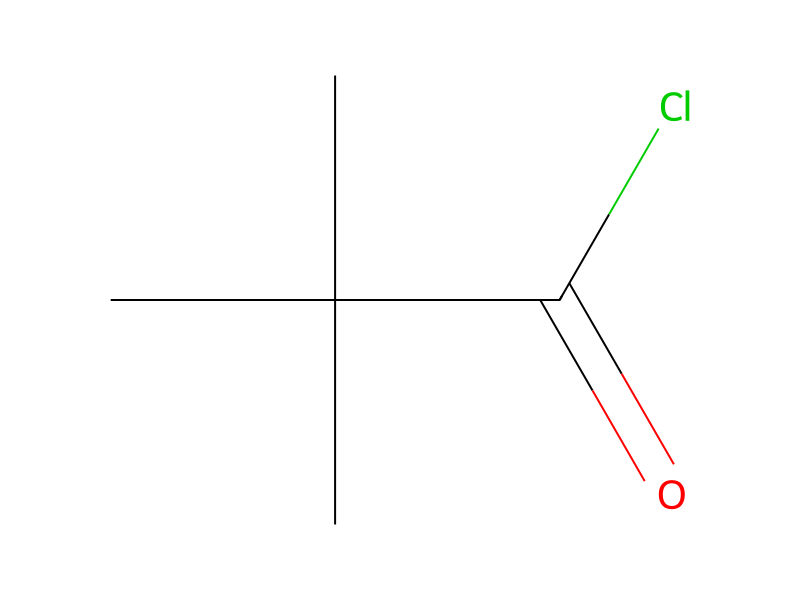
2-n-butyl acrylic acid (9.90 g, 77.2 mmol, and 1 equiv.) is dissolved in dry THF (260 mL) and cooled to −78° C. under nitrogen. Hunig's base (17.5 mL, 100.4 mmol, 1.3 equiv.) and pivaloyl chloride (9.5 mL, 77.2 mmol, 1 equiv.) are added at such a rate that the temperature remains below −60° C. The mixture is stirred at −78° C. for 30 minutes, warmed to rt for 2 hours, and finally cooled back to −78° C. In a separate flask, (S)-(−)-4-benzyl-2-oxazolidinone (13.49 g, 77.24 mmol) is dissolved in dry THF (150 mL) and cooled to −78° C. under nitrogen. n-butyllithium (2.5 M solution in hexanes, 30.9 mL, 77.2 mmol, 1 equiv.) is added slowly at −78° C., and the mixture is stirred for 30 minutes at rt. The resulting anion is slowly transferred via a cannula into the original reaction vessel. The mixture is allowed to warm to rt and is stirred overnight at rt. The reaction is quenched with 1 M KHCO3, and the solvents are removed under reduced pressure. The residue is partitioned between EtOAc and water. The organic layer is washed with brine, dried over anhydrous Na2SO4, filtered and concentrated to give a yellow oil which is purified by FC (hexane:EtOAc=4:1) to yield the title compound A-3 as a white solid.