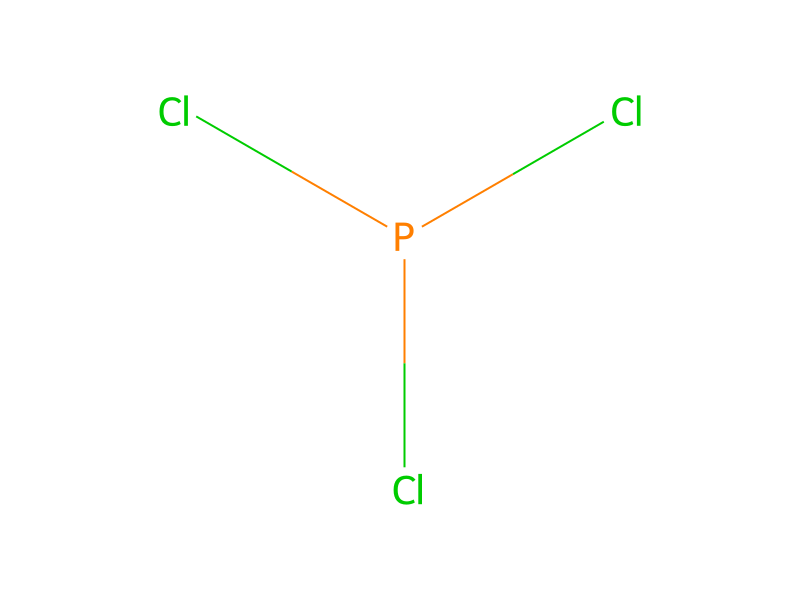
C([C:3]1[CH:11]=[CH:10][C:6]([C:7]([OH:9])=O)=[CH:5][CH:4]=1)#N.O1CCN(N=CC2C=CC(C([NH:26][C:27]3C=C4C(CCC(CC(OCCO)=O)C4)=CC=3)=O)=CC=2)CC1.O1CCN(N=CC2C=CC(C(NC3C=C4C(CCC(CC(OCCOC)=O)C4)=CC=3)=O)=CC=2)CC1.S(Cl)([Cl:83])=O.C(Cl)(=O)C(Cl)=O.P(Cl)(Cl)Cl.P(Cl)(Cl)(Cl)(Cl)Cl.P(Cl)(Cl)(Cl)=O>CN(C)C=O>[C:27]([C:5]1[CH:4]=[CH:3][CH:11]=[CH:10][C:6]=1[C:7]([Cl:83])=[O:9])#[N:26]In another process, p-cyanobenzoic acid or the compounds of formula (4) or (5) is reacted with thionyl chloride, oxalyl chloride, phosphorus trichloride, phosphorus pentachloride or phosphorus oxychloride in the presence of a catalytic amount of N,N-dimethylformamide to give o-cyanobenzoyl chloride or the compounds of formula (6) or (7). p-Cyanobenzoyl chloride or the compounds of formula (6) or (7) thus obtained can be reacted with the compounds of formula (2) or (3), or the compounds of formula (8) to give the desired compounds.