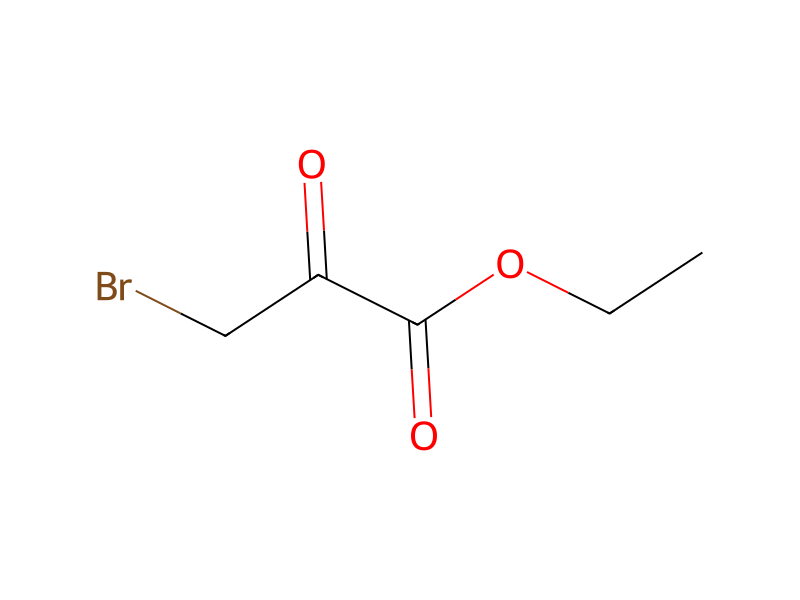
To a solution of 7-Chloro-thieno[3,2-b]pyridine-2-carbothioic acid amide (5.00 g, 21.9 mmol) in 60 mL of THF was added ethyl bromopyruvate (4.11 mL, 32.8 mmol). The reaction mixture was stirred at room temperature under nitrogen overnight. The reaction mixture was cooled to 0° C., and 30 mL trifluoroacetic anhydride was added. The reaction was stirred at room temperature for four hours then cooled to 0° C. The reaction was treated with 30 mL of concentrated NH4OH followed by removal of THF under reduced pressure. The dark, oily residue was partitioned between water and ethyl acetate. The aqueous layer was separated and washed with ethyl acetate. The combined organic layers were washed with brine, dried over magnesium sulfate, and evaporated under reduced pressure to give a brown oily residue. Chromotography (99.5:0.45:0.05 CHCl3:CH3OH:NH4OH) over silica gel gave a 67% of 2-(7-Chloro-thieno[3,2-b]pyridin-2-yl)-thiazole-4-carboxylic acid ethyl ester (3.42 g) as a pale yellow solid. C13H9ClN2O2S2: APCI m/z 325.0/327.0 (MH+); 232.9/325.9 (neg.); 1H NMR (d6-DMSO): δ 8.67 (d, 1H, J=5.0 Hz), 8.37 (s, 1H), 7.62 (d, 1H, J=5.0 Hz), 3.98 (q, 2H, J=7.0 Hz), 1.13 (t, 3H, J=7.0 Hz) ppm.