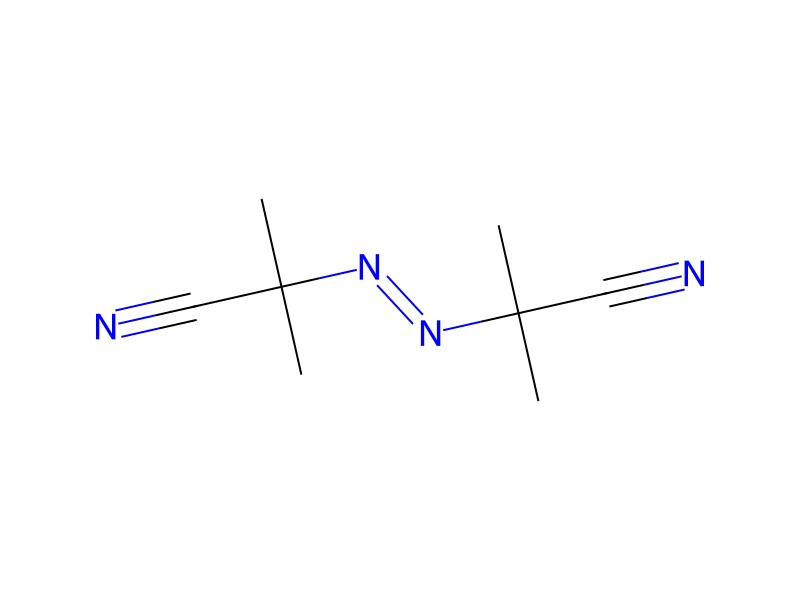
To a mixture of 1C (1.19 g, 6.25 mmol), AIBN (111.2 mg, 0.625 mmol), and NBS (1.129 g, 6.875 mmol) under N2 was added CCl4 (30 ml). The mixture was degassed under vacuum, purged with nitrogen (2×) and heated to 80° C. for 40 min. After cooling to room temperature, the solid was removed by filtration and the filtrate was concentrated under reduced pressure. The residue was dissolved in dichloroethane (30 ml). (3R,4R)-4-azidopiperidin-3-ol (976 mg, 6.875 mmol), (prepared as described in U.S. patent application Ser. No. 11/019,901) and TEA (1.04 ml, 7.5 mmol) were subsequently added. The mixture was stirred at room temperature for 1 h, then at 75° C. for 30 min. After cooling to room temperature, the reaction mixture was washed with saturated NaHCO3, then extracted with 2N HCl (40 ml). The acidic aqueous layer was separated and basified with 50% NaOH. Solid product was collected by filtration, washed with water and dried under high vacuum to give 1D (1.51 g, 73%) as a solid. The compound has an analytical HPLC retention time=1.106 min (Chromolith SpeedROD column 4.6×50 mm, 10-90% aqueous methanol containing 0.1% TFA over 4 minutes, 4 mL/min, monitoring at 254 nm) and a LC/MS M++H=331+.