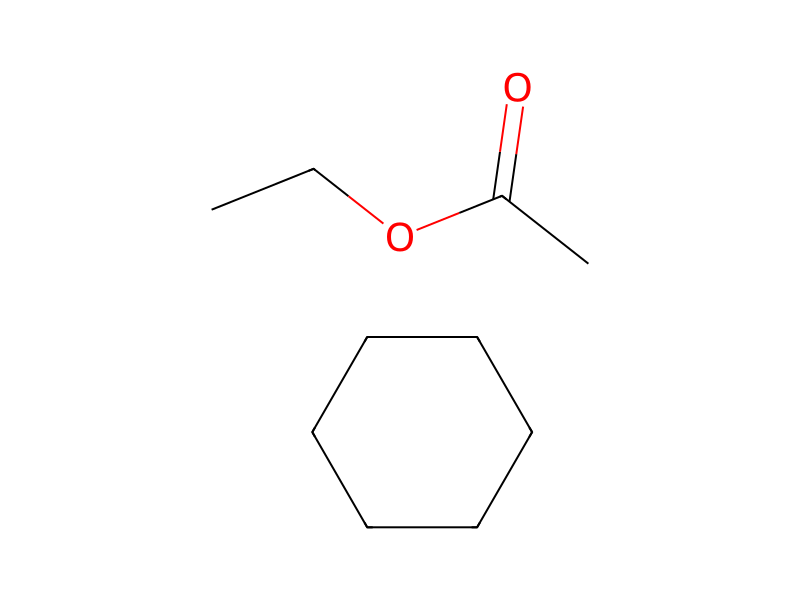
[H-].[Na+].[CH3:3]I.[CH:5]12[CH2:11][CH:8]([CH2:9][CH2:10]1)[CH2:7][CH:6]2[C:12]1[CH:17]=[CH:16][CH:15]=[CH:14][C:13]=1[NH:18][C:19]([C:21]1[C:22]([CH:27]([F:29])[F:28])=[N:23][N:24]([CH3:26])[CH:25]=1)=[S:20].O>CN(C)C=O.C1CCCCC1.C(OCC)(=O)C>[CH:5]12[CH2:11][CH:8]([CH2:9][CH2:10]1)[CH2:7][CH:6]2[C:12]1[CH:17]=[CH:16][CH:15]=[CH:14][C:13]=1[N:18]=[C:19]([C:21]1[C:22]([CH:27]([F:29])[F:28])=[N:23][N:24]([CH3:26])[CH:25]=1)[S:20][CH3:3]At 0° C., 0.1 g (3.6 mmol) of sodium hydride (80% pure) and 1.2 g (8.3 mmol) of methyl iodide in 5 ml of dimethylformamide are added to a solution consisting of 1.0 g (2.8 mmol) of N-(2-bicyclo[2.2.1]hept-2-ylphenyl)-3-(difluoromethyl)-1-methyl-1H-pyrazole-4-thiocarboxamide in 10 ml of dimethylformamide. The reaction mixture is slowly warmed to room temperature and stirred at this temperature for 1 hour. For work-up, the reaction mixture is poured into water and extracted three times with in each case 50 ml of ethyl acetate. The combined organic phases are washed with saturated sodium chloride solution, dried over sodium sulphate and concentrated under reduced pressure. Column chromatography (cyclohexane/ethyl acetate 4:1) gives 0.7 g (1.9 mmol, 67% of theory) of methyl N-(2-bicyclo[2.2.1]hept-2-ylphenyl)-3-(difluoromethyl)-1-methyl-1H-pyrazole-4-carbimidothioate [logP (pH 2.3)=4.75].