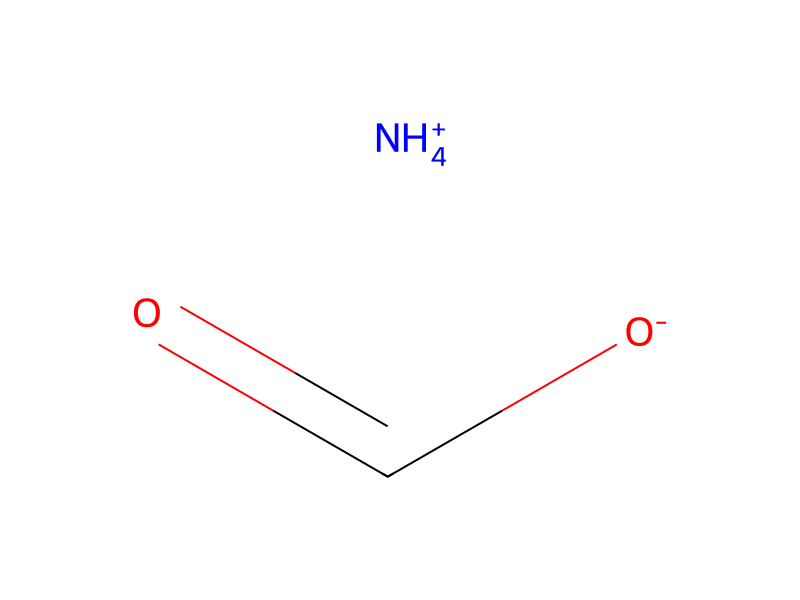
C([O:8][C:9]1[CH:18]=[C:17]2[C:12]([C:13]([O:19][C:20]3[C:21]([F:30])=[C:22]4[C:26](=[CH:27][CH:28]=3)[NH:25][C:24]([CH3:29])=[CH:23]4)=[N:14][CH:15]=[N:16]2)=[CH:11][C:10]=1[O:31][CH3:32])C1C=CC=CC=1.C([O-])=O.[NH4+]>CN(C=O)C.[Pd].C(OCC)(=O)C>[F:30][C:21]1[C:20]([O:19][C:13]2[C:12]3[C:17](=[CH:18][C:9]([OH:8])=[C:10]([O:31][CH3:32])[CH:11]=3)[N:16]=[CH:15][N:14]=2)=[CH:28][CH:27]=[C:26]2[C:22]=1[CH:23]=[C:24]([CH3:29])[NH:25]2A suspension of 7-benzyloxy-4-(4-fluoro-2-methylindol-5-yloxy)-6-methoxyquinazoline (8.2 g, 19.1 mmol), ammonium formate (12 g, 190 mmol) in DMF (50 ml) containing 10% palladium on carbon (2 g) was stirred at ambient temperature for 1.5 hours. The mixture was diluted with ethyl acetate and filtered over diatomaceous earth A solid precipitated out of the filtrate. The solid was filtered off. The filtrate was washed with aqueous sodium hydrogen carbonate, followed by brine and dried over magnesium sulphate. The volatiles were removed under vacuum. The residual solid was combined with the solid previously isolated from the filtrate and was then triturated with acetonitrile under cooling. The precipitate was filtered, washed with acetonitrile followed by diethyl ether and dried under vacuum to give 4-(4-fluoro-2-methylindol-5-yloxy)-7-hydroxy-6-methoxyquinazoline (6.48 g, quant.).