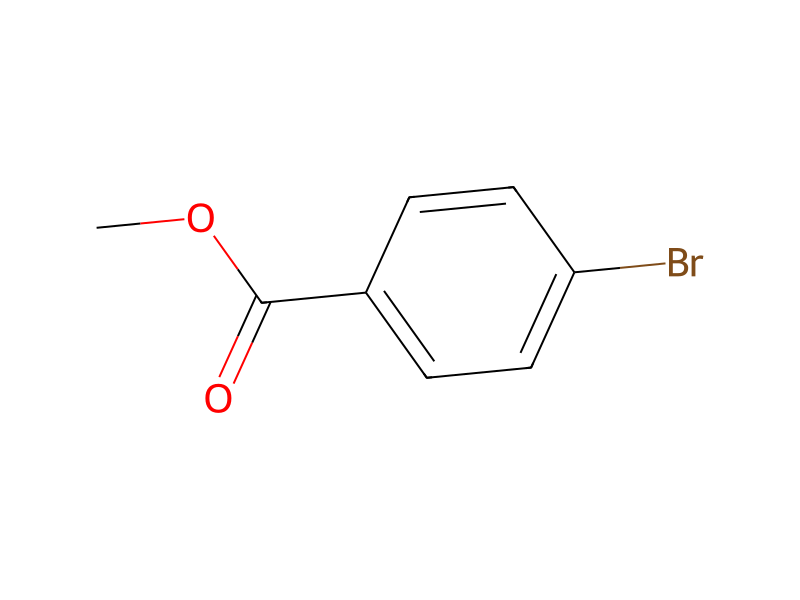
A mixture of 2.0 g of methyl 4-bromobenzoate, 1.3 ml of nitroethane, 172 mg of tris(dibenzylideneacetone)dipalladium(0), 232 mg of 2-(di-tert-butylphosphino)-2′-methylbiphenyl, 3.33 g of cesium carbonate, and 44 ml of 1,2-dimethoxyethane (DME) was stirred at 60° C. for 18 hours. The reaction mixture was left to be cooled to room temperature, followed by adding a saturated aqueous ammonium chloride solution and extracting with ethyl acetate. The organic layer was washed with a saturated aqueous sodium chloride solution and then dried over anhydrous magnesium sulfate, and the solvent was then evaporated under reduced pressure. The obtained residue was purified by silica gel column chromatography to obtain 1.44 g of methyl 4-(1-nitroethyl)benzoate.