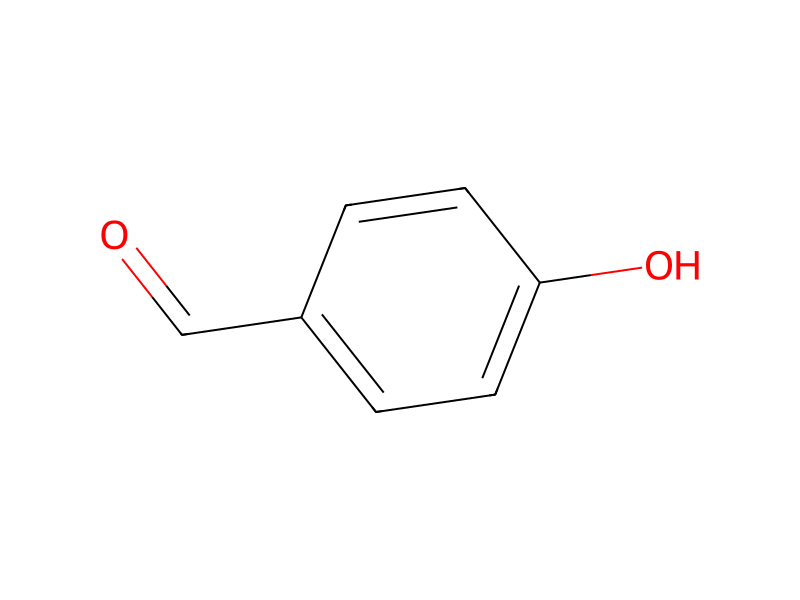
[C:1]([C:3]1[CH:8]=[CH:7][C:6]([CH2:9][CH2:10][N:11]2[CH2:18][CH2:17][C:14]3([CH2:16][O:15]3)[CH2:13][CH2:12]2)=[CH:5][CH:4]=1)#[N:2].[OH:19][C:20]1[CH:27]=[CH:26][C:23]([CH:24]=[O:25])=[CH:22][CH:21]=1.C(=O)([O-])[O-].[K+].[K+].C1OCCOCCOCCOCCOCCOC1>CN(C)C=O>[C:1]([C:3]1[CH:4]=[CH:5][C:6]([CH2:9][CH2:10][N:11]2[CH2:18][CH2:17][C:14]([CH2:16][O:19][C:20]3[CH:27]=[CH:26][C:23]([CH:24]=[O:25])=[CH:22][CH:21]=3)([OH:15])[CH2:13][CH2:12]2)=[CH:7][CH:8]=1)#[N:2]The compound (10.0 g) obtained in Step 3 of Example 1 and 4-hydroxybenzaldehyde (5.04 g) were dissolved in anhydrous dimethylformamide (55 mL), and to the mixture was added potassium carbonate (28.5 g) and 18-crown-6 (1.09 g) at room temperature under nitrogen atmosphere and the mixture was heated at 100° C. for five hours. After allowing to cool, insoluble matter was removed by filtration and washed with ethyl acetate (300 mL). The filtrate was cooled with ice-water and water (150 mL) was added to the mixture to be separated. The aqueous layer was extracted with ethyl acetate. The organic layer was combined, washed with water and brine successively, and dried over anhydrous sodium sulfate, followed by removal of the solvent under reduced pressure. The obtained residue was crystallized from ether and collected by filtration to obtain the titled compound (12.7 g) as crystals.