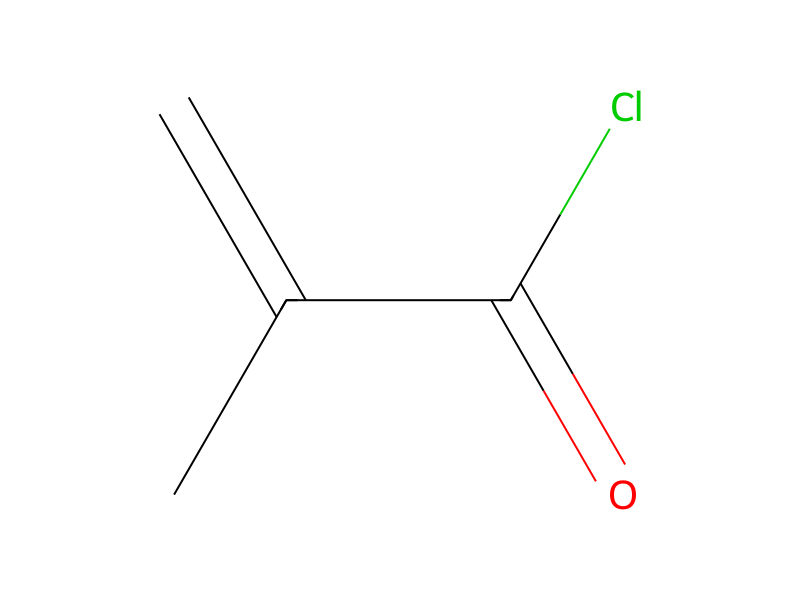
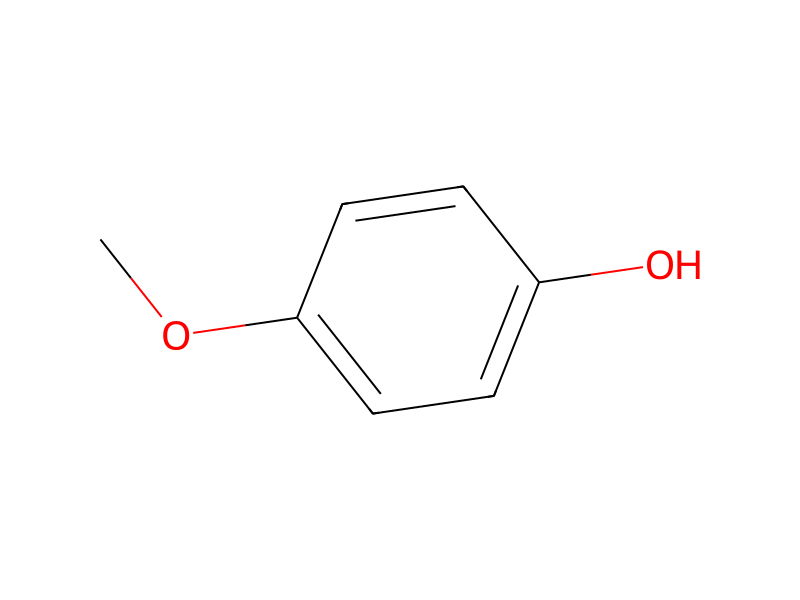
L-Aspartic acid (67 g, 0.5 mol) is dissolved in 48 g (1 mol) of sodium hydroxide in 300 ml of water and the solution is cooled down in an ice-bath. p-Methoxyphenol (50 mg) is used as an inhibitor. To the above reaction mixture, is added 58 g (0.5 mol) of methacryloyl chloride (freshly distilled) and 20 g (0.5 mol) of sodium hydroxide in 80 ml of water simultaneously at a rate to keep the reaction temperature below 5° C. The reaction is allowed to reach room temperature and stirred for another three hours. The reaction mixture is acidified to pH 3.0 with 3N HCl and extracted with ethyl acetate. The combined organic layer is washed with saturated sodium chloride solution and dried over magnesium sulfate. The dried organic layer is evaporated to dryness and crystallized from ethylacetate to yield 60 g (56%) of product. Melting point (93°-96° C.). NMR (D2O), 5.6 gamma (d, 1H, =CH2), 5.4 gamma (d, 1H, =CH 2), 2.9 gamma (d, 2H, CH2), 1.8 gamma (s, 3H, CH3).