4-Methylmorpholine → N-[3-(ethoxycarbonyl)oxypropyl]hexadecanamide
HRID 983512
反応式

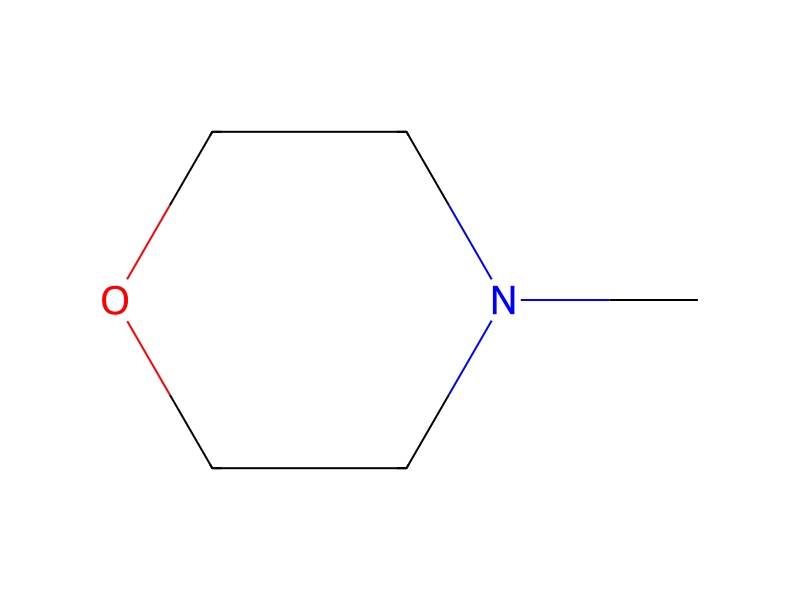
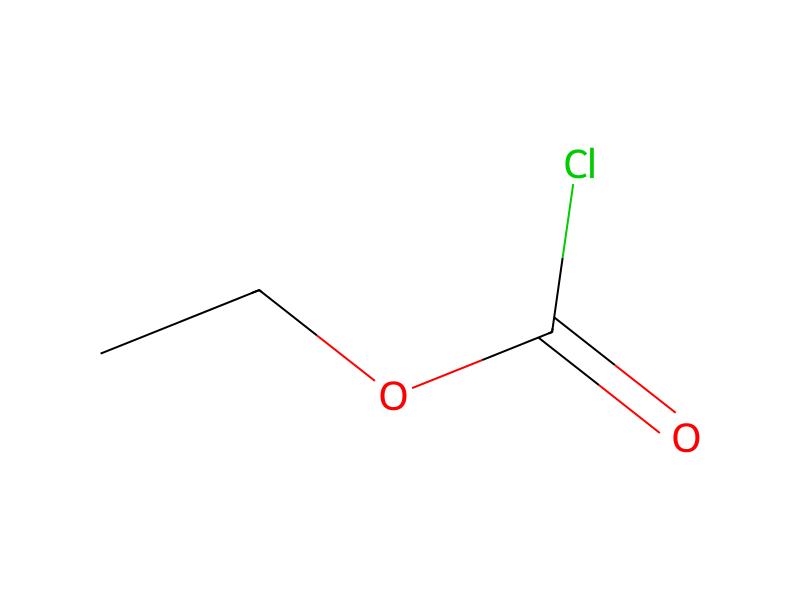
[OH:1][CH2:2][CH2:3][CH2:4][NH:5][C:6](=[O:22])[CH2:7][CH2:8][CH2:9][CH2:10][CH2:11][CH2:12][CH2:13][CH2:14][CH2:15][CH2:16][CH2:17][CH2:18][CH2:19][CH2:20][CH3:21].CN1CCOCC1.Cl[C:31]([O:33][CH2:34][CH3:35])=[O:32]>O1CCCC1>[CH2:34]([O:33][C:31]([O:1][CH2:2][CH2:3][CH2:4][NH:5][C:6](=[O:22])[CH2:7][CH2:8][CH2:9][CH2:10][CH2:11][CH2:12][CH2:13][CH2:14][CH2:15][CH2:16][CH2:17][CH2:18][CH2:19][CH2:20][CH3:21])=[O:32])[CH3:35]参加物
5



実験手順
3.14 g of N-(3-hydroxypropyl) hexadecanamide (10 mmoles) was suspended in 75 ml of tetrahydrofuran (THF) at 45° C. with stirring. 1.11 g of N-methylmorpholine (11 mmoles) and 1.19 g of ethyl chloroformate (11 mmoles) were added and the resulting mixture was stirred for a further 3 hours at ambient temperature. The mixture was then evaporated to dryness under vacuum. The residue was taken up with 50 ml of water and extracted 3 times with 30 ml of ethyl acetate; the organic phases were washed twice with 20 ml of water, recombined and evaporated to dryness. The residue was crystallized from 30 ml of tert-butylmethyl ether. The crystallizate was separated by filtration, washed twice with 5 ml of cold tert-butylmethyl ether and finally dried in a high degree of vacuum. The yield of the reaction was 92%.