Formaldehyde → 3,3-Bis(hydroxymethyl)-2-butanone
HRID 989589
反応式

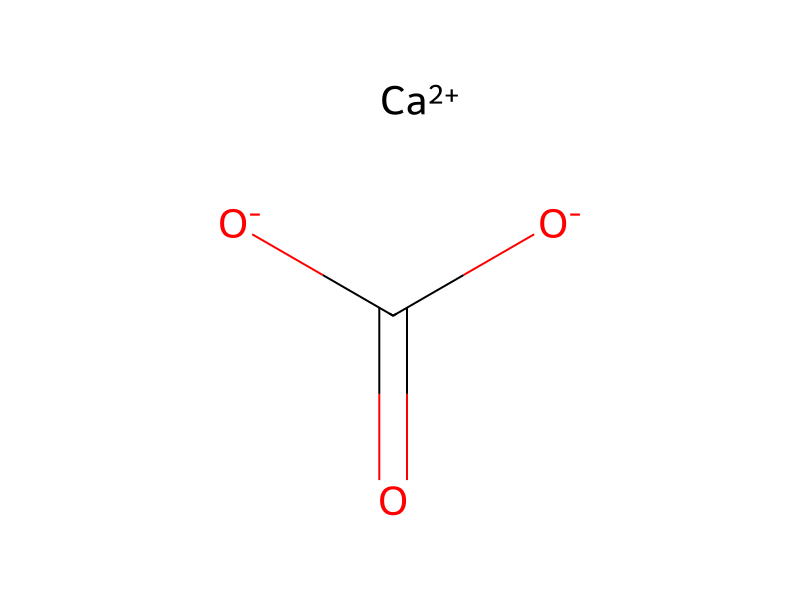
[CH3:1][C:2](=O)[CH2:3][CH3:4].[CH2:6]=[O:7].[OH-:8].[Ca+2].[OH-:10].[C:11](=O)([O-])[O-].[Ca+2]>C(OCC)(=O)C>[OH:7][CH2:6][C:2]([CH2:1][OH:10])([CH3:11])[C:3](=[O:8])[CH3:4][CH3:1][C:2](=O)[CH2:3][CH3:4].[CH2:6]=[O:7].[OH-:8].[Ca+2].[OH-:10].[C:11](=O)([O-])[O-].[Ca+2]>C(OCC)(=O)C>[OH:7][CH2:6][C:2]([CH2:1][OH:10])([CH3:11])[C:3](=[O:8])[CH3:4]2-Butanone (216 g, 3.0 mol) and 30% formalin (600 g, 6.0 mol) were added simultaneously, but separately, to an aqueous calcium hydroxide solution (1.89 g, 0.255 mol) in a 3-liter flask during a 5-min. period. The solution was stirred vigorously for 6 hr at 10-15° C. Another portion of calcium hydroxide (0.4 g, 0.0054 mol) was added and the reaction mixture stirred another 6 hr at ambient conditions. Subsequently, the solution was filtered and neutralized with dry ice. The solution was concentrated at reduced pressure to yield a cloudy syrup containing insoluble calcium carbonate. The viscous product was dissolved in a minimum amount of ethyl acetate and filtered to remove traces of calcium carbonate, and the ethyl acetate was removed in vacuo to yield a water white liquid. The residue was slurried in 3 liters of ligroin and the mixture heated to boiling with good stirring for 10 min. The solution/suspension was allowed to cool/settle for 2 hr., after which time the ligroin was decanted from the liquid product. This procedure was repeated once more except that the solution was allowed to stand overnight in a freezer. The ligroin was decanted and the solid recovered. The 3,3-Bis(hydroxymethyl)-2-butanone was used without further purification. Analytical samples were prepared by recrystallization from chloroform and petroleum ether; m.p. 60° C.; 753 g, 95% of theoretical yield; H-NMR spectra were consistent.