홈MCP워크벤치Skills
홈워크벤치알림마이페이지
llms.txt · MCP 가이드개인정보처리방침 · 이용약관 · 지원v1.8.0
  1. 홈
  2. /화합물

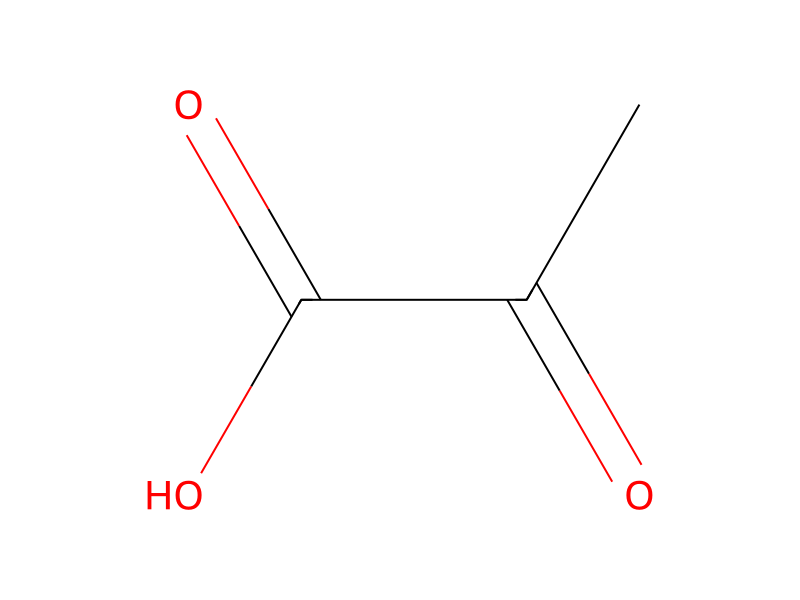
피루브산

Pyruvic Acid

HCID 1060
새 노트새 반응견적 요청하기
인쇄 미리보기
기본 정보개요이름 및 식별자물성안전 및 규제화학 및 산업관련 반응화합물 노트
부분 구조 검색유사 구조 찾기

기본 정보

CAS
127-17-3
표준 SMILES
CC(=O)C(=O)O
InChIKey
LCTONWCANYUPML-UHFFFAOYSA-N
분자식
C3H4O3
평균 분자량
88.06 g/mol
단동위원소 질량
88.01604399

개요

Pyruvic acid is a 2-oxo monocarboxylic acid that is the 2-keto derivative of propionic acid. It is a metabolite obtained during glycolysis. It has a role as a cofactor and a fundamental metabolite. It is functionally related to a propionic acid. It is a conjugate acid of a pyruvate.

이름 및 식별자

우선 이름
Pyruvic Acid
IUPAC
2-oxopropanoic acid
현지명
피루브산
영어명
Pyruvic acid
분자식
C3H4O3
분자량
88.06

이름 및 동의어

Pyruvic acid2-Oxopropanoic acid127-17-3acetylformic acidPyroracemic acid2-Oxopropionic acidPropanoic acid, 2-oxo-alpha-ketopropionic acid2-Ketopropionic acid2-Oxopropansaeure2-Oxopropionsaeurealpha-Oxopropionsaeure
이름 더 보기
피루브산피루브산파이루빅애씨드pyruvicFEMA 29702-oxo-propanoicaciNSC 179Pyruvia AcidACID PYRUVATE
2-oxo-propionic acidacide pyruviquea-Ketopropionic acidCH3COCOOHFEMA No. 2970BrenztraubensaeureDTXSID2021650NSC-179

데이터베이스 식별자

CAS
127-17-3
PubChem CID
1060
DTXSID
DTXSID2021650
ChEMBL
CHEMBL1162144
ChEBI
CHEBI:32816
UNII
8558G7RUTR
EC Number
204-824-3
Nikkaji
J2.015J

물성

구조 계산 물성

XLogP
-0.3
극성 표면적
54.4 Ų
수소 결합 공여자 수
1
수소 결합 수용자 수
3
회전 가능 결합 수
1
무거운 원자 수
6
형식 전하
0
복잡도
84

실험 및 물리화학적 성질

Chemical ClassesBiological Agents -> Other Biomolecules
DrugsPharmaceuticals -> Listed in ZINC15
LipidsFatty Acyls [FA] -> Fatty Acids and Conjugates [FA01] -> Oxo fatty acids [FA0106]
SpringerMaterials PropertiesCoriolis coupling
FragrancesFragrance Ingredient (Pyruvic acid) -> IFRA transparency List
LogP-0.9
Food AdditivesFLAVORING AGENT OR ADJUVANT -> FDA Substance added to food
Density1.260-1.281
Flavoring AgentsEU Flavoring substances
Solubility · 3건

1000.0 mg/mL

miscible with water; soluble in organic solvents, oils

miscible at room temperature (in ethanol)

Boiling Point164 °C
Melting Point

안전 및 규제

안전 정보는 참고용이며, 공급업체의 물질안전보건자료(SDS), 관련 법규 및 전문가 평가를 대체하지 않습니다.

GHS 분류

GHS Classification · 4건

Danger

H314 (100%): Causes severe skin burns and eye damage [Danger Skin corrosion/irritation]

P260, P264, P264+P265, P280, P301+P330+P331, P302+P361+P354, P304+P340, P305+P354+P338, P316, P317, P321, P363, P405, and P501 (click each P-code to see the statement)

Aggregated GHS information provided per 1823 reports by companies from 11 notifications to the ECHA C&L Inventory. Each notification may be associated with multiple companies.

유해성 정보

Regulatory Information · 4건

Chemical: Propanoic acid, 2-oxo-

Commission Regulation (EC) No 1565/2000 (Repealed by Com. Implementing Reg. (EU) No 872/2012)

REACH registered substance: Pyruvic acid (EC: 204-824-3)

Pyruvic acid: Does not have an individual approval but may be used under an appropriate group standard

Other Safety InformationEvaluation - Chemicals that are unlikely to require further regulation to manage risks to environment
Hazards Summary · 1건

Causes degenerative changes to brain in acute cerebral studies of rats; [RTECS] Polymerizes and decomposes on standing unless pure and stored in airtight container; [Merck Index] Safe when used as a flavoring agent in food; [JECFA] Causes burns; Inhalation may cause corrosive injuries to upper respiratory tract and lungs; [Sigma-Aldrich MSDS]

Hazard Classes and CategoriesSkin Corr. 1B (100%)

독성 정보

Adverse EffectsDermatotoxin - Skin burns.
Exposure RoutesPyruvate is absorbed from the gastrointestinal tract from whence it is transported to the liver via the portal circulation.

화학 및 산업

약리 정보

Pharmacodynamics · 1건

Pyruvic acid or pyruvate is a key intermediate in the glycolytic and pyruvate dehydrogenase pathways, which are involved in biological energy production. Pyruvate is widely found in living organisms. It is not an essential nutrient since it can be synthesized in the cells of the body. Certain fruits and vegetables are rich in pyruvate. For example, an average-size red apple contains approximately 450 milligrams. Dark beer and red wine are also rich sources of pyruvate. Recent research suggests that pyruvate in high concentrations may have a role in cardiovascular therapy, as an inotropic agent. Supplements of this dietary substance may also have bariatric and ergogenic applications.

Mechanism of Action · 1건

Pyruvate serves as a biological fuel by being converted to acetyl coenzyme A, which enters the tricarboxylic acid or Krebs cycle where it is metabolized to produce ATP aerobically. Energy can also be obtained anaerobically from pyruvate via its conversion to lactate. Pyruvate injections or perfusions increase contractile function of hearts when metabolizing glucose or fatty acids. This inotropic effect is striking in hearts stunned by ischemia/reperfusion. The inotropic effect of pyruvate requires intracoronary infusion. Among possible mechanisms for this effect are increased generation of ATP and an increase in ATP phosphorylation potential. Another is activation of pyruvate dehydrogenase, promoting its own oxidation by inhibiting pyruvate dehydrogenase kinase. Pyruvate dehydrogenase is inactivated in ischemia myocardium. Yet another is reduction of cytosolic inorganic phosphate concentration. Pyruvate, as an antioxidant, is known to scavenge such reactive oxygen species as hydrogen peroxide and lipid peroxides. Indirectly, supraphysiological levels of pyruvate may increase cellular reduced glutathione.

Metabolism/Metabolites · 2건

In the liver, pyruvate is metabolized via several pathways.

In the liver, pyruvate is metabolized via several pathways.

Absorption, Distribution and ExcretionPyruvate is absorbed from the gastrointestinal tract from whence it is transported to the liver via the portal circulation.
Tissue Locations

관련 반응

267건
반응 기록 만들기
HRID 8438 반응식
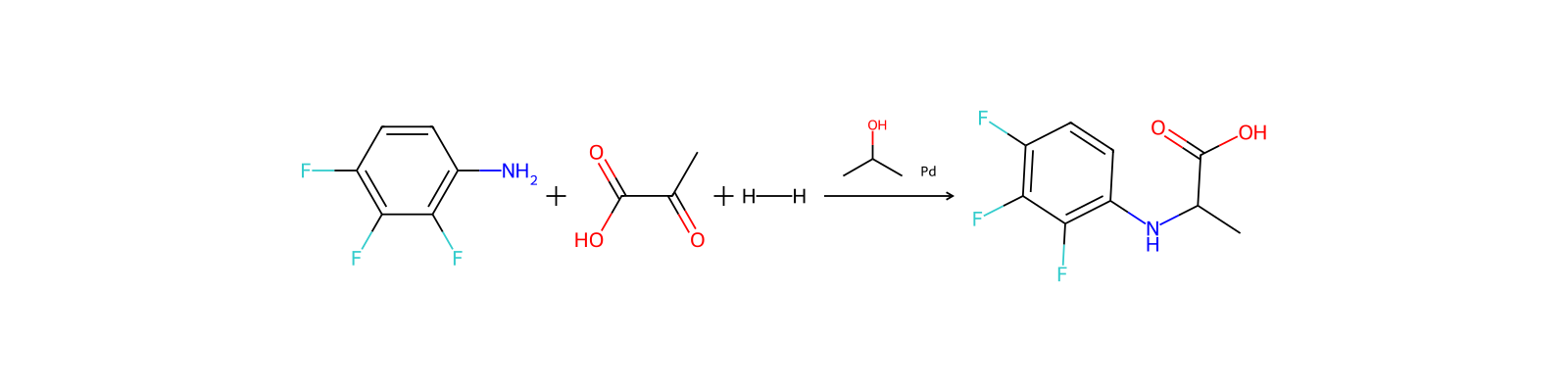
HRID 8438반응물로uspto-grants-2006_08
HRID 8439 반응식
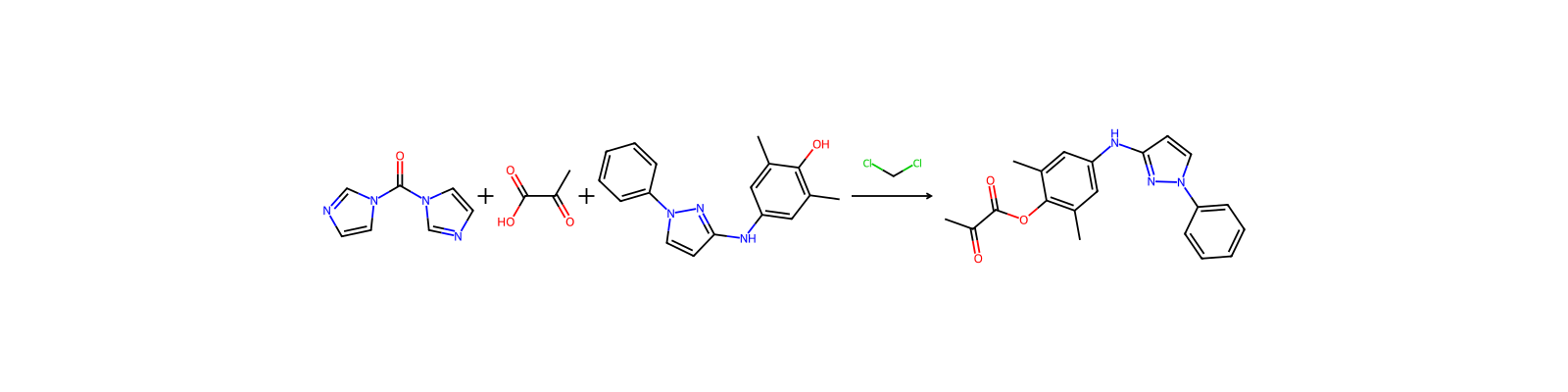
HRID 8439반응물로uspto-grants-2006_08
HRID 8440 반응식
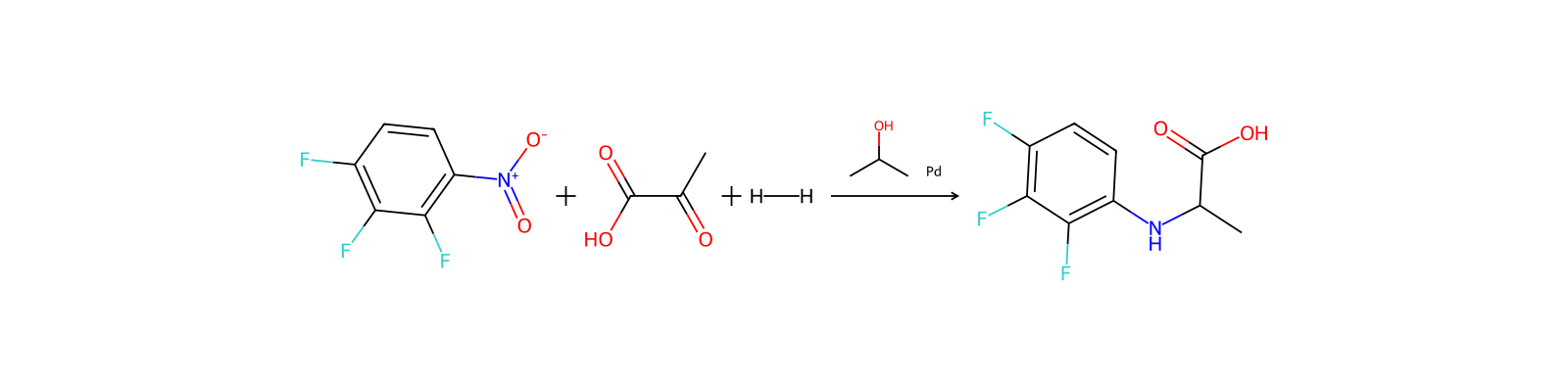
HRID 8440반응물로uspto-grants-2006_08
HRID 8441 반응식
HRID 8441반응물로uspto-grants-2006_08
HRID 15391 반응식
HRID 15391반응물로uspto-grants-2010_06
HRID 22278 반응식
HRID 22278반응물로uspto-grants-1995_06
HRID 25946 반응식
HRID 25946반응물로uspto-grants-1979_04
HRID 30521 반응식
HRID 30521반응물로uspto-grants-2008_09
1 / 34 페이지

화합물 노트

불러오는 중…

이 페이지에서기본 정보개요이름 및 식별자물성안전 및 규제화학 및 산업관련 반응화합물 노트
더보기
새 노트새 반응견적 요청하기
13.8 °C

물리화학적 성질

녹는점
11 · 11-12 °C (lit.)
끓는 점
165 °C · 165 °C (lit.)
밀도
1.267 g/mL · 1.267 g/mL at 25 °C (lit.)
증기압
1.72 hPa · 1.72hPa at 25℃
FEMA
2970 · 2970 | PYRUVIC ACID
굴절률
20 · n20/D 1.428(lit.)
인화점
183 °F · 183 °F
저장 조건
2 · 2-8°C
용해도
클로로포름 및 메탄올과 혼합 가능.
산도 계수 (pKa)
2.39 · 2.39(at 25℃)
물리적 상태
액체
색상
무색~담황색 또는 호박색으로
냄새
1 % · 프로필렌 글리콜 중 1.00%. 날카로운 신맛의 아세트 캐러멜
수소이온지수(pH)
3.11 · 3.11(1 mM solution);2.38(10 mM solution);1.79(100 mM solution);
냄새 유형
산성의
생물학적 소스
synthetic
수용성
2 O: · H2O: misciblealcohol: misciblediethyl ether: miscible
JECFA Number
936 · 936
Merck
14 · 14,8021
BRN
506211 · 506211
Henry's Law Constant
3.1 · 3.1×103 mol/(m3Pa) at 25℃, Burkholder et al. (2019)
안정성
안정적인. 타기 쉬운. 강한 산화제, 강한 염기와 호환되지 않습니다. 냉장보관하세요.
주요 응용
향료 및 향
화장품 원료 기능
향기
InChI
1S/C3H4O3/c1-2(4)3(5)6/h1H3,(H,5,6)
InChIKey
LCTONWCANYUPML-UHFFFAOYSA-N
SMILES
CC(=O)C(O)=O
LogP
-1.24 · -1.24
NIST
Pyruvic acid(127-17-3)
EPA
2 · Propanoic acid, 2-oxo- (127-17-3)

화학적 성질

Pyruvic acid has a sour, acetic odor (similar to acetic acid). It has a pleasant, sour taste with a burning, somewhat sweet note. It tends to darken and decompose unless kept free of minor contaminants and in tightly sealed containers

Toxicity Summary · 1건

Pyruvate serves as a biological fuel by being converted to acetyl coenzyme A, which enters the tricarboxylic acid or Krebs cycle where it is metabolized to produce ATP aerobically. Energy can also be obtained anaerobically from pyruvate via its conversion to lactate. Pyruvate injections or perfusions increase contractile function of hearts when metabolizing glucose or fatty acids. This inotropic effect is striking in hearts stunned by ischemia/reperfusion. The inotropic effect of pyruvate requires intracoronary infusion. Among possible mechanisms for this effect are increased generation of ATP and an increase in ATP phosphorylation potential. Another is activation of pyruvate dehydrogenase, promoting its own oxidation by inhibiting pyruvate dehydrogenase kinase. Pyruvate dehydrogenase is inactivated in ischemia myocardium. Yet another is reduction of cytosolic inorganic phosphate concentration. Pyruvate, as an antioxidant, is known to scavenge such reactive oxygen species as hydrogen peroxide and lipid peroxides. Indirectly, supraphysiological levels of pyruvate may increase cellular reduced glutathione.

Carcinogen ClassificationNo indication of carcinogenicity to humans (not listed by IARC).

안전 데이터

wgk
3
tsca
TSCA listed
rtecs
UZ0829800
ridadr
UN 3265 8/PG 2
HS 번호
29335995
risk_code
34
hazard_code
C
safety_code
26-36/37/39-45-25-27
포장분류
II
위험 등급
8
기존화학 물질
KE-27649
자연 발화 온도
305 °C
Hazard Classifications
Eye Dam. 1Skin Corr. 1C
스토리지 클래스
8A - Combustible corrosive hazardous materials
Adipose Tissue
Cellular LocationsExtracellular
Metabolite Pathways2-Hydroxyglutric Aciduria (D And L Form)

용도 및 제조

Uses · 2건

Intermediate in sugar metabolism and alcoholic fermentation; [Merck Index] Used as flavoring agent or adjuvant; [FDA]

For nutritional supplementation, also for treating dietary shortage or imbalance

Use Classification · 6건

Fragrance Ingredients

Flavouring Agent -> FLAVOURING_AGENT -> JECFA Functional Classes

Flavoring Agents -> JECFA Flavorings Index

Flavouring Agent -> FLAVOURING_AGENT -> JECFA Functional Classes

Flavouring Agent -> FLAVOURING_AGENT -> JECFA Functional Classes

Flavouring Agent -> FLAVOURING_AGENT -> JECFA Functional Classes

General Manufacturing InformationPropanoic acid, 2-oxo-: ACTIVE
응용 분야 · 3건

출처Isolated from cane sugar fermentation broth and from a few plants; also reported found in peppermint, raw asparagus, leaves and stalk of celery, onion, rutabaga, milk, cream, buttermilk, wheaten bread, blue cheeses, cheddar cheese, cottage cheese, provolone cheese, yogurt, beef, Virginia tobacco, beer, white wine, botrytised wine, cocoa and sake.

용도pyruvic acid is an alpha hydroxy acid that can be irritating and is considered difficult to work with. It has a larger molecular size than the most commonly used AHAs. Sodium pyruvate is more commonly used, and is an organic salt.

일반 설명Pyruvic acid is the key component formed during the hydrolysis of flavor-precursors called S-alk(en)yl-L-cysteine-sulfoxides in onion tissues by allinase during maceration or chopping. The amount of pyruvic acid formed is used as a measure for onion pungency.

제조 방법 · 1건

By distillation of tartaric acid in the presence of potassium acid sulfate as a dehydrating agent; from acetyl chloride and potassium cyanide to yield the nitrile, which is subsequently acid hydrolyzed to the acid; pyruvic acid must be rectified under vacuum.

상·하류 제품 정보

상류 원료

메틸 글리옥살알드린유리황산 칼륨Glass-lined reaction pot에틸 피루브산과산화 수소이산화 망간피루브 산, 나트륨 염D-(-)-젖 산산소, 냉각된 액체DL-타타르산유산에틸이산화탄소D(-)-Tartaric acid6-벤질아미노퓨린Dehydrolyzing agent달라폰유산프로필렌 글리콜Catalyst CR니켈오르토인산염황산 칼륨사이안화 칼륨황산칼륨

하류 제품

3-Bromopyruvic acid1,2,3-티아디아졸-4-카르복실산Acetylpyrazine티아벤다졸에틸(R)-2-하이드록시-4-페닐부티레이트3-메르캅토프로피온산carfentrazone-ethylGestrinone에틸 피루브산6-아자티민1,2,3-Thiadiazole-4-carbonyl chloride (6CI,7CI,8CI,9CI)피루브 산, 나트륨 염Calcium pyruvate4-티아졸 카르복실산DL-트립토판SULFENTRAZONE3-메틸-2-퀴녹살리놀2-아미노-3-메틸퀴녹살린피루브산메틸2-클로로-3-메틸-퀴녹살린
추가 설명 · 1건

정의Pyruvic acid is an important organic chemical intermediate, an intermediate compound in the metabolism of carbohydrates, proteins, and fats, and is used in a variety of fields, including the pharmaceutical, cosmetic, food, and chemical industries. It has roles as a basic metabolite and cofactor. In thiamine deficiency, its oxidation is retarded and it tends to accumulate in neurostructural tissues causing neurological damage. In vitro studies have shown that pyruvic acid modulates cardiac function at physiological or low doses, but can cause cardiomyocyte damage at high doses.