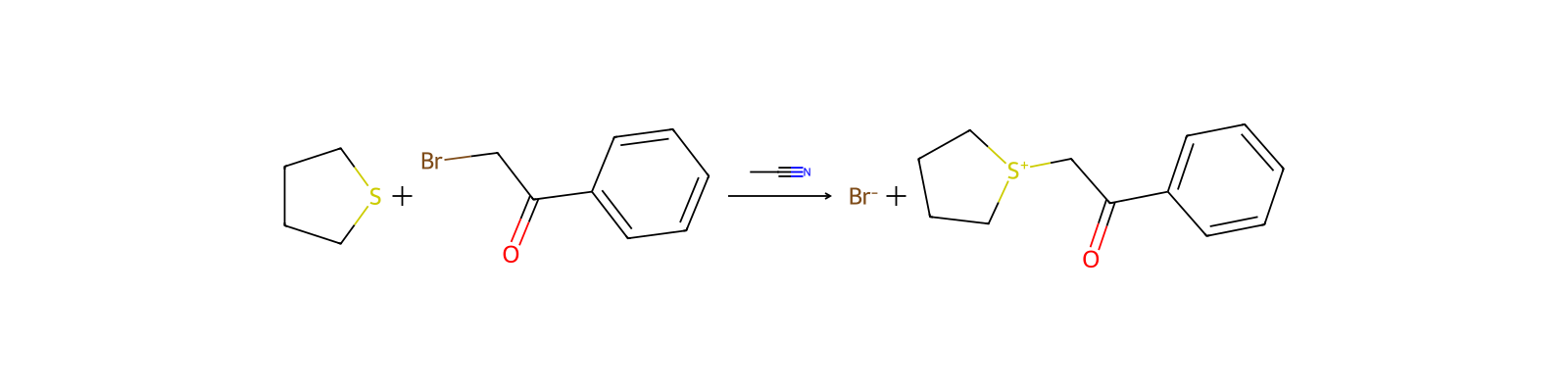
테트라히드로티오펜
Tetrahydrothiophene
데이터를 보충하는 중입니다. 잠시 후 페이지를 새로 고치면 최신 내용을 볼 수 있습니다
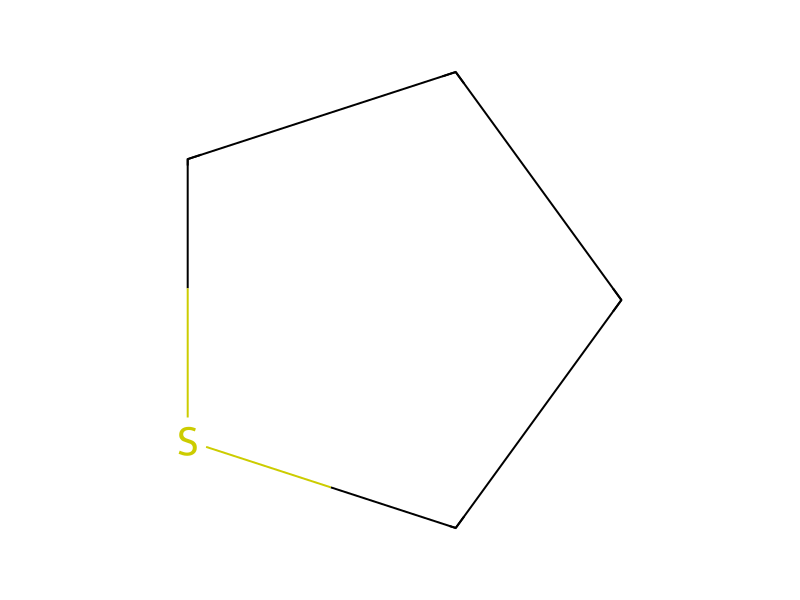
기본 정보
- CAS
110-01-0- 표준 SMILES
C1CCSC1- InChIKey
RAOIDOHSFRTOEL-UHFFFAOYSA-N- 분자식
- C4H8S
- 평균 분자량
- 88.17 g/mol
- 단동위원소 질량
- 88.03467126
개요
Tetrahydrothiophene appears as a water-white liquid. About the same density as water and insoluble in water. Vapors heavier than air. Used as a solvent and to make other chemicals.
이름 및 식별자
- 우선 이름
- Tetrahydrothiophene
- IUPAC
- thiolane
- 현지명
- 테트라히드로티오펜
- 영어명
- Tetrahydrothiophene
- 분자식
- C4H8S
- 분자량
- 88.17
이름 및 동의어
tetrahydrothiopheneThiolane110-01-0ThiophaneThiophene, tetrahydro-ThiacyclopentaneTetramethylene sulfideThilaneTetrahydrothiophenTetramethylenesulfideThiofanPennodorant 1013
이름 더 보기
테트라히드로티오펜테트라하이드로티오펜THTTETRAHYDROTHIOPHEN 99%(GC)THIOLANTetrahydrothiophene (THT)
TetrahydrothiofenPennodorant 1073DTXSID3047760744EHT13FMNSC-5272DTXCID8027743CHEBI:48458THT, thiophene
데이터베이스 식별자
- CAS
110-01-0- PubChem CID
- 1127
- DTXSID
DTXSID3047760- ChEMBL
CHEMBL1379- ChEBI
CHEBI:48458- UNII
- 744EHT13FM
- EC Number
- 203-728-9
- Nikkaji
- J2.444I
물성
구조 계산 물성보충 중
- XLogP
- 1.4
- 극성 표면적
- 25.3 Ų
- 수소 결합 공여자 수
- 0
- 수소 결합 수용자 수
- 1
- 회전 가능 결합 수
- 0
- 무거운 원자 수
- 5
- 형식 전하
- 0
- 복잡도
- 22.8
실험 및 물리화학적 성질
Chemical Classes
Other Classes -> Thiophenes
Flammable agents - 3rd degree
SpringerMaterials PropertiesCoriolis coupling
LogP
1.8 (estimated by method of Leo et al, 1971).
1.8
OdorStench.
Density
0.9987 @ 20 °C/4 °C
Relative density (water = 1): 1.0
Color/FormWATER-WHITE LIQUID
Solubility
INSOLUBLE IN WATER; SOL IN ALL PROPORTIONS IN ALCOHOL, ETHER, ACETONE, BENZENE, IN ORGANIC SOLVENTS
Solubility in water: none
Flash Point
55 °F (12 °C)
12 °C
Boiling Point
121.12 °C @ 760 MM HG
119-121 °C
Melting Point
-96.16 °C
-96.2 °C
안전 및 규제
안전 정보는 참고용이며, 공급업체의 물질안전보건자료(SDS), 관련 법규 및 전문가 평가를 대체하지 않습니다.
GHS 분류
GHS Classification
Danger
H225: Highly Flammable liquid and vapor [Danger Flammable liquids]
P210, P233, P240, P241, P242, P243, P261, P264, P264+P265, P270, P271, P273, P280, P301+P317, P302+P352, P303+P361+P353, P304+P340, P305+P351+P338, P317, P321, P330, P332+P317, P337+P317, P362+P364, P370+P378, P403+P235, and P501 (click each P-code to see the statement)
This chemical does not meet GHS hazard criteria for 11.5% (36 of 314) of reports.
Danger
H225 (88.5%): Highly Flammable liquid and vapor [Danger Flammable liquids]
유해성 정보
Regulatory Information
Chemical: Thiophene, tetrahydro-
Commission Regulation (EC) No 1565/2000 (Repealed by Com. Implementing Reg. (EU) No 872/2012)
Thiophene, tetrahydro- is listed on the EPA's Chemical Data Reporting (CDR) system. Manufacturers and importers of Thiophene, tetrahydro- are required to report information about their production and use of this chemical to the EPA under the Toxic Substances Control Act (TSCA). (40 eCFR Part 711)
Status: Active Update: 29-11-2017 https://echa.europa.eu/registration-dossier/-/registered-dossier/2145
Thiophene, tetrahydro-: HSNO Approval: HSR001225 Approved with controls
The New Jersey Worker and Community Right to Know Act requires public and private employers to provide information about hazardous substances at their workplaces. (N.J.S.A. 34:5A-1 et. seq.)
DOT LabelFlammable Liquid
Fire Hazards
Excerpt from ERG Guide 130 [Flammable Liquids (Water-Immiscible / Noxious)]:
· HIGHLY FLAMMABLE: Will be easily ignited by heat, sparks or flames.
Highly flammable. Heating will cause rise in pressure with risk of bursting. Gives off irritating or toxic fumes (or gases) in a fire. Vapour/air mixtures are explosive.
Fire PotentialFlammable liquid
화학 및 산업
약리 정보
Metabolism/MetabolitesIdentified as a human metabolite of asparagus.
용도 및 제조
Uses
Used as a solvent, chemical intermediate, and odorant for fuel gas and other gases and liquids; [HSDB]
SOLVENT; INTERMEDIATE; FUEL GAS ODORANT
A HERBICIDAL COMPOSITION BASED ON BIPYRIDYLIUM COMPD CONTAIN TETRAHYDROTHIOPHENE AS THE OLFACTORY ALERTING AGENT IN ORDER TO AVERT INADVERTENT POISONING
THIOLANE IS USED AS A GROWTH REGULATOR
Used in odorization operations of natural gas.
For more Uses (Complete) data for TETRAHYDROTHIOPHENE (8 total), please visit the HSDB record page.
U.S. Production
2023: 75,000 - <500,000 lb
200,000 to 2,000,000 lb
Consumer UsesFragrance
Industry UsesFragrance
Methods of Manufacturing
Vapor-phase reaction of tetrahydrofuran and hydrogen sulfide over a heteropolyacid-promoted metal oxide catalyst followed by separation and distillation of tetrahydrothiophene.
Thiophene is reduced to tetrahydrothiophene by sodium in alcohol or ammonia, or with palladium, cobalt, molybdenum or rhenium catalysts under carefully controlled conditions.
General Manufacturing Information
Utilities
Thiophene, tetrahydro-: ACTIVE
A DISCUSSION IS GIVEN ON WASTEWATER FORMED IN NATURAL GAS UNDERGROUND STORAGE RESERVOIRS; ON AIR POLLUTION & WASTEWATERS; ON METHODS FOR TREATMENTS OF WASTEWATERS AND THE PREVENTION & CONTROL OF AIR POLLUTION IN THE ODORIZATION OF NATURAL GAS WITH TETRAHYDROTHIOPHENE.
응용 분야
Tetrahydrothiophene is used as pharmaceutical and agrochemical intermediates.
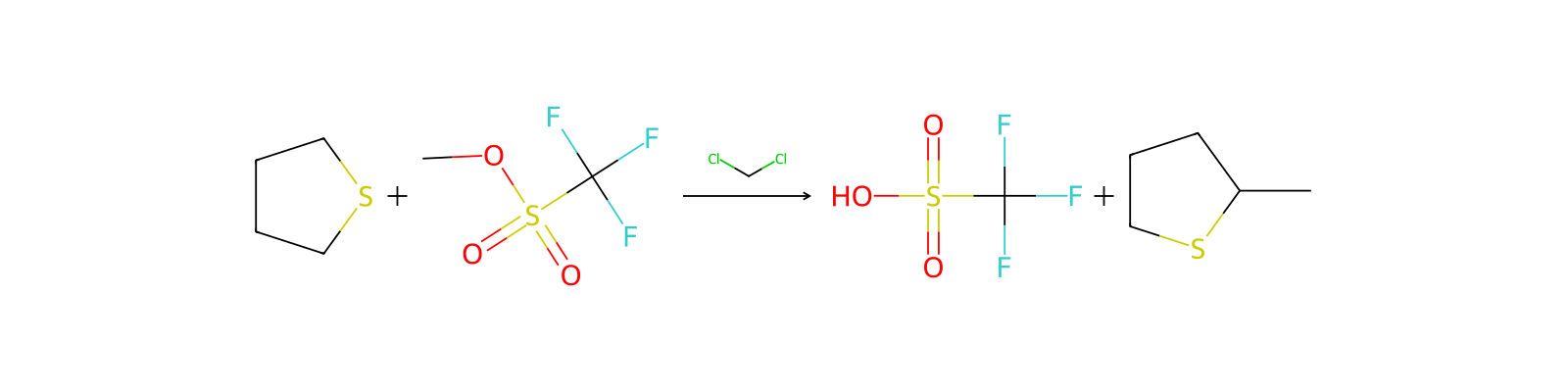
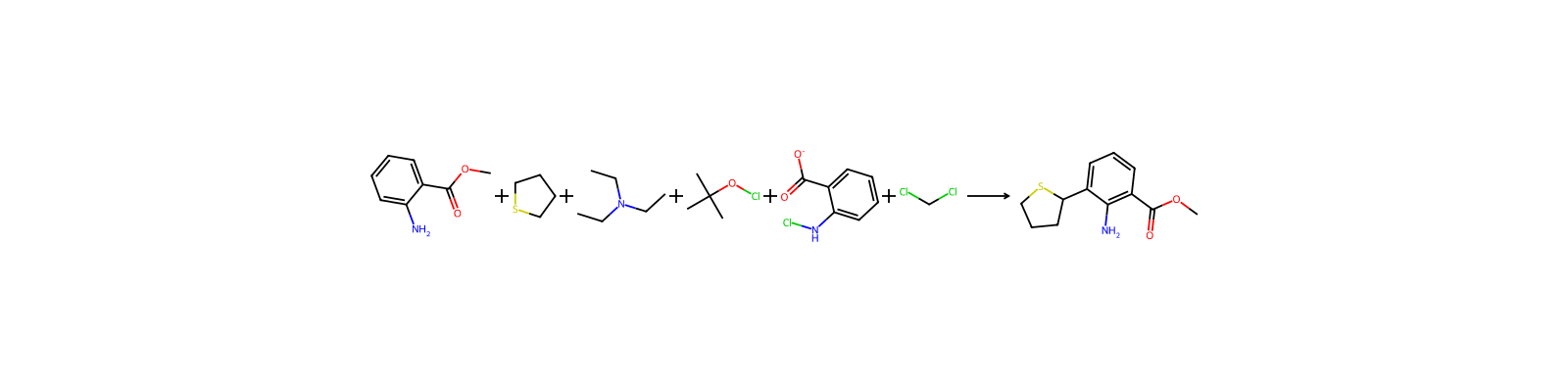
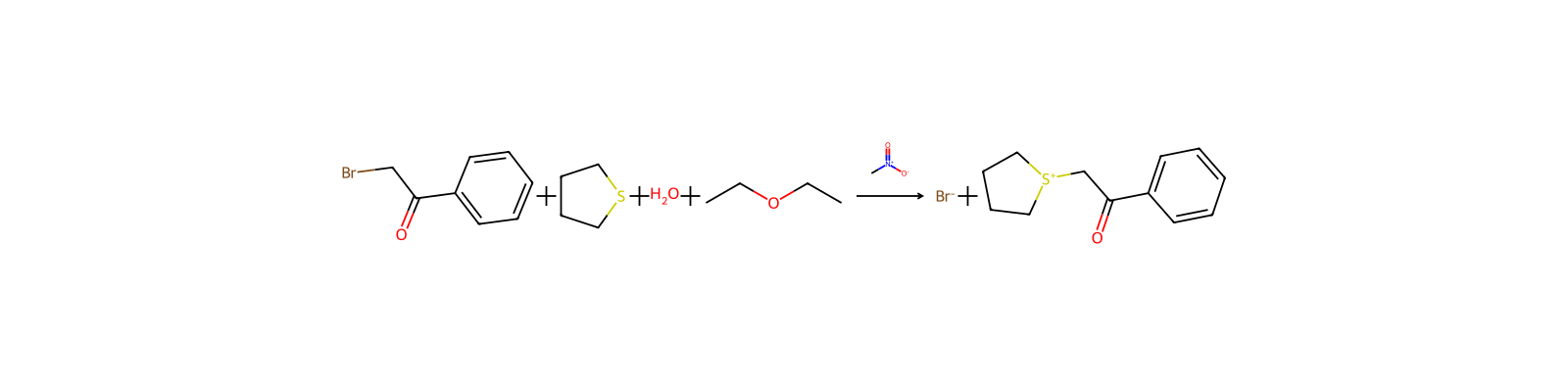
관련 반응
75건




화합물 노트
불러오는 중…