

기본 정보
- 표준 SMILES
O=c1c(O)c(-c2ccccc2)oc2ccccc12- InChIKey
HVQAJTFOCKOKIN-UHFFFAOYSA-N- 분자식
- C15H10O3
- 평균 분자량
- 238.24 g/mol
- 단동위원소 질량
- 238.06299418
개요
Flavonol is a monohydroxyflavone that is the 3-hydroxy derivative of flavone. It is a member of flavonols and a monohydroxyflavone. It is a conjugate acid of a flavonol(1-).
이름 및 식별자
- 우선 이름
- Flavonol
- IUPAC
- 3-hydroxy-2-phenylchromen-4-one
- 영어명
- 3-Hydroxyflavone
- 분자식
- C15H10O3
- 분자량
- 238.24
이름 및 동의어
3-HydroxyflavoneFlavonol577-85-53-Hydroxy-2-phenyl-4H-chromen-4-oneFlavon-3-ol4H-1-Benzopyran-4-one, 3-hydroxy-2-phenyl-3-Hydroxy-2-phenylchromone3-hydroxy-2-phenylchromen-4-oneFLAVONE, 3-HYDROXY-ZTG9LSS5QH3-hydroxy-2-phenyl-4H-1-benzopyran-4-oneNSC-57653
이름 더 보기
3-HF3-FLAVONOLAURORA 200583-hydroxy-flavonHYDROXYFLAVONE, 3-
CHEBI:5078DTXSID4060365NSC-58585NSC-58586NSC-58587RefChem:502555DTXCID9042253CHEBI:28802
데이터베이스 식별자
- CAS
577-85-5- PubChem CID
- 11349
- DTXSID
DTXSID4060365- ChEMBL
CHEMBL294009- ChEBI
CHEBI:5078- UNII
- ZTG9LSS5QH
- EC Number
- 209-416-9
- Nikkaji
- J1.628D、J3.804.376E、J630.345E
물성
구조 계산 물성
- XLogP
- 3.4
- 극성 표면적
- 46.5 Ų
- 수소 결합 공여자 수
- 1
- 수소 결합 수용자 수
- 3
- 회전 가능 결합 수
- 1
- 무거운 원자 수
- 18
- 형식 전하
- 0
- 복잡도
- 366
실험 및 물리화학적 성질
Chemical ClassesDyes -> Other Dyes
LogP3.52
Color/Form
Yellow needles
Pale yellow needles from alcohol
Violet flourescence in concentrated sulfuric acid
SolubilitySoluble in ethanol
DecompositionWhen heated to decomposition it emits acrid smoke and irritating vapors.
Melting Point
171 to 172 °C
MP: 169.5 °C
170 °C
Physical Description
Pale yellow or yellow solid; [HSDB] Off-white or pale yellow powder; [Alfa Aesar MSDS]
Solid
Collision Cross Section
146.3 Ų [M+H]+ [CCS Type: TW; Method: calibrated with polyalanine and drug standards]
146.63 Ų [M+H]+ [CCS Type: TW; Method: calibrated with polyalanine and drug standards]
물리화학적 성질
- 녹는점
- 171 · 171-172 °C (lit.)
- 끓는 점
- 320.83 °C · 320.83°C (rough estimate)
- 밀도
- 1.2653 · 1.2653 (rough estimate)
- 굴절률
- 1.574 · 1.5740 (estimate)
- 저장 조건
- Inert atmosphere,Room Temperature
- 용해도
- 1 mg/ml · DMSO: 1 mg/ml
- 산도 계수 (pKa)
- 8.8 · 8.80±0.20(Predicted)
- 물리적 상태
- powder to crystal
- 색상
- White to Yellow to Green
- 수용성
- 물에 불용성. N,N-DMF 및 에탄올에 용해됩니다.
- BRN
- 15789 · 15789
- InChI
- 1S/C15H10O3/c16-13-11-8-4-5-9-12(11)18-15(14(13)17)10-6-2-1-3-7-10/h1-9,17H
- InChIKey
- HVQAJTFOCKOKIN-UHFFFAOYSA-N
- SMILES
- OC1=C(Oc2ccccc2C1=O)c3ccccc3
- LogP
- 3.477 · 3.477 (est)
- EPA
- 4 H-1-Benzopyran-4-one, · 4H-1-Benzopyran-4-one, 3-hydroxy-2-phenyl- (577-85-5)
화학적 성질
yellow fluffy powder
안전 및 규제
GHS 분류
GHS Classification
Warning
H315 (100%): Causes skin irritation [Warning Skin corrosion/irritation]
P261, P264, P264+P265, P271, P280, P302+P352, P304+P340, P305+P351+P338, P319, P321, P332+P317, P337+P317, P362+P364, P403+P233, P405, and P501 (click each P-code to see the statement)
Aggregated GHS information provided per 44 reports by companies from 4 notifications to the ECHA C&L Inventory. Each notification may be associated with multiple companies.
유해성 정보
Hazards SummaryIntravenous LD50 (mouse) = 56 mg/kg; [RTECS] A skin and strong eye irritant; [Alfa Aesar MSDS] See Chrysin, alpha-Naphthoflavone, and Morin.
Hazard Classes and CategoriesSkin Irrit. 2 (100%)
안전 및 보호
Disposal Methods
SRP: The most favorable course of action is to use an alternative chemical product with less inherent propensity for occupational exposure or environmental contamination. Recycle any unused portion of the material for its approved use or return it to the manufacturer or supplier. Ultimate disposal of the chemical must consider: the material's impact on air quality; potential migration in soil or water; effects on animal, aquatic, and plant life; and conformance with environmental and public health regulations.
독성 정보
Interactions
... Male Fischer 344 rats were fed diets supplemented with 0.1% (wt/wt) of /3-hydroxyflavone/ ... and after 2 wk they were treated twice (1 wk apart) with azoxymethane (AOM) (15 mg/kg sc); the dietary treatment continued until sacrifice, 7 wk after the first injection with AOM. ... 3-OH-flavone slightly, although significantly, increased (P < 0.05), the number of ACF per colon (157 +/- 7 and 198 +/- 14 (SE) in control and 3-OH-flavone groups, respectively, n = 10). ...
The suppressive effect of flavonoids on the cytotoxicity of linoleic acid hydroperoxide (LOOH) toward rat phenochromocytoma PC12 cells was examined. The extent of cytotoxicity was shown on the basis of % survival determined by the trypan blue exclusion test. On preincubation of cells with either 3-hydroxyflavone, quercetin, or luteolin prior to LOOH exposure, the cytotoxicity was considerably suppressed. In contrast, on coincubation of cells with either eriodictyol, quercetin, kaempherol, luteolin, or 3-hydroxyflavone and LOOH, it was markedly suppressed. Regardless of incubation conditions, quercetin, 3-hydroxyflavone, and luteolin were thus more effective as protective agents against the cytotoxicity than the other flavonoids. These flavonoids further showed a suppressive effect on coincubation rather than on preincubation. ..
Ecotoxicity ValuesLC50; Species: Tilapia mossambica (Mozambique tilapia, length 9 cm, weight 12 g); Conditions: freshwater, static, 29 °C; Concentration: 9400 mg/L for 48 hr /99% purity/
Natural Pollution SourcesPlant-derived dye. Flavone-type dyes occur in all the higher plants: in the leaves, roots, bark, fruits, pollen, and flower petals. None have been found in fungi, mosses, or lichens. Imparts a brown color.
Human Toxicity Excerpts
/ALTERNATIVE and IN VITRO TESTS/ ...This study ... investigated the cytotoxicities of flavone (F01), 3-hydroxyflavone (F02), 6- hydroxyflavone (F03), 7-hydroxyflavone (F04), 3,6-dihydroxyflavone (F05), 5,7-dihydroxyflavone (F06) and 5,6,7-trihydroxyflavone (F07) to human cancer cells including P-glycoprotein (Pgp)-expressing HCT15 cells and its multidrug resistant subline, HCT15/CL02 cells. ... Tthe effects of those flavonoids on the cell cycle of these cancer cells /was also examined/. HCT15/CL02 cells did not reveal resistance to all the flavonoids tested in comparison with HCT15 cells. In cell cycle analysis, all the flavonoids tested, except F01 and F04, reduced the G0/G1 population of SF295 cells at growth inhibitory concentrations, and increased G2/M (F02, F03 and F06) or S (F05 and F07) populations. In addition, F02 and F03 decreased the G2/M and G0/G1 population, and increased the S and G2/M population in HCT15 cells, respectively. Meanwhile, in HCT15/CL02 cells, F02 and F03 decreased the G0/G1 populations and increased the S population. ...
/ALTERNATIVE and IN VITRO TESTS/ The cytotoxicity of flavonoids, including ... 3-hydroxyflavone ... toward ... human lung embryonic fibroblasts (TIG-1) and human umbilical vein endothelial (HUVE) cells, was examined. When these normal human cells were incubated with each flavonoid in culture medium for 24 h, some of the flavonoids showed considerable cytotoxicity at relatively high concentrations and in a dose-dependent manner. 3-Hydroxyflavone, luteolin, and apigenin were more toxic toward TIG-1 cells than the other flavonoids, and luteolin, 3-hydroxyflavone, and quercetin were more toxic toward HUVE cells. HUVE cells were more vulnerable to flavonoid cytotoxicity than TIG-1 cells. ...
/ALTERNATIVE and IN VITRO TESTS/ ... A series of ten structurally related flavonoids were evaluated for their effect on methoxyresorufin O-demethylase (MROD) activity in human liver microsomes. All compounds inhibited this cytochrome P450 1A2 (CYP1A2) mediated activity. 3,5,7-Trihydoxyflavone (galangin) was the most potent inhibitor, followed by 3-hydroxyflavone and flavone. The relative inhibitory potency of flavonoids is related to their structures. The results suggest that flavonoids may modulate pharmacological and toxicological effects mediated by CYP1A2.
/ALTERNATIVE and IN VITRO TESTS/ Various flavones, flavonols (3-hydroxyflavones) and isoprenoid-substituted flavones (flavonols) were investigated for their cytotoxic activity. Most of these compounds were more cytotoxic against human oral squamous cell carcinoma and salivary gland tumor cell lines than human gingival fibroblasts. ... Flavonoids induced apoptotic cell death characterized by DNA fragmentation (as identified by TUNEL method) and activation of caspase(s) (as identified by degradation products of cytokeratin 18 with M30 monoclonal antibody). ESR spectroscopy revealed that higher concentrations of flavonoids produced radicals under alkaline conditions. However, not all of them enhanced the radical intensity of sodium ascorbate, suggesting that the redox potential of flavonoids differs considerably from samples to samples. Catalase failed to eliminate the cytotoxic activity of flavonoids, reducing the possibility of the involvement of hydrogen peroxide for the cytotoxicity induction by them.
For more Human Toxicity Excerpts (Complete) data for 3-HYDROXYFLAVONE (6 total), please visit the HSDB record page.
Non-Human Toxicity Excerpts
/ALTERNATIVE and IN VITRO TESTS/ Sixteen flavonoids were tested for a positive inotropic effect (PIE) on guinea-pig papillary muscle paced at 0.2 Hz in a Krebs-Henseleit solution at 30 degrees C. The structure-activity relationship was investigated by determining both the pD2 value and the intrinsic activity in the case of ten flavonols, three flavones, one flavanone and two catechins. Quercetin showed the most potent intrinsic activity, and produced the strongest inotropic responses among the 16 compounds. The relative order of potency of the tested flavonoids was quercetin > morin = kaempferol = HEPTA > luteolin = apigenin > natsudaidain = fisetin = galangin. Those that did not produce any PIE were 3-hydroxyflavone, flavone, glycosides of quercetin (rutin and hyperin), flavanones (naringenin) and catechins. With respect to the essential flavonoid nucleus for PIE development, the presence of a hydroxy group at C-4', an alpha, beta-unsaturated ketone on the C-ring and a reasonable lipophilic moiety in the molecule are required. Pharmacological analyses suggest that there is a common mechanism for the PIE and it is cyclic AMP dependent.
/ALTERNATIVE and IN VITRO TESTS/ The suppressive effect of flavonoids on the cytotoxicity of linoleic acid hydroperoxide (LOOH) toward rat phenochromocytoma PC12 cells was examined. The extent of cytotoxicity was shown on the basis of % survival determined by the trypan blue exclusion test. On preincubation of cells with either 3-hydroxyflavone, quercetin, or luteolin prior to LOOH exposure, the cytotoxicity was considerably suppressed. In contrast, on coincubation of cells with either eriodictyol, quercetin, kaempherol, luteolin, or 3-hydroxyflavone and LOOH, it was markedly suppressed. Regardless of incubation conditions, quercetin, 3-hydroxyflavone, and luteolin were thus more effective as protective agents against the cytotoxicity than the other flavonoids. These flavonoids further showed a suppressive effect on coincubation rather than on preincubation. ..
/ALTERNATIVE and IN VITRO TESTS/ Rat liver cyclic AMP-dependent protein kinase catalytic subunit (cAK), assayed using the synthetic peptide substrate, LRRASLG, is inhibited by a range of plant-derived flavonoids. In general, maximal inhibitory effectiveness (IC50 values 1 to 2 uM) requires 2,3-unsaturation and polyhydroxylation involving at least two of the three flavonoid rings. 3-Hydroxyflavone (IC50 value 4 uM), 3,5,7,2',4'-pentahydroxyflavone (IC50 = 10 uM) and 5,7,4'-trihydroxyflavone (IC50 = 7 uM) represent somewhat less active variations from this pattern. Flavonoid O-methylation or O-glycosylation greatly decreases inhibitory effectiveness, as does 2,3-saturation. Various flavonoid-related compounds, notably gossypol (IC50 = 10 uM), also inhibit cAK. Flavonoids and related compounds are in general much better inhibitors of cAK than of avian Ca(2+)-calmodulin-dependent myosin light chain kinase or of plant Ca(2+)-dependent protein kinase. Tricetin (IC50 = 1 uM) inhibits cAK in a fashion that is non-competitive with respect to both peptide substrate and ATP (Ki value 0.7 uM). When histone III-S is used as a substrate, inhibition of cAK requires much higher flavonoid concentrations.
/ALTERNATIVE and IN VITRO TESTS/ in vitro studies, via absorption and fluorescence spectroscopy, /are reported/ on the effects of several flavonoids (namely fisetin, quercetin, chrysin, morin, and 3-hydroxyflavone, 3-HF) in goat RBC membranes. ... Binding of the flavonoids to the RBC membranes significantly inhibits lipid peroxidation, and at the same time enhances their integrity against hypotonic lysis. Interestingly, the antioxidant and antihemolytic activities are found to be crucially dependent on the locations of the flavonoids in the membrane matrix as revealed by fluorescence studies. Furthermore, we observe that FRET (from membrane protein tryptophans to flavonoids) occurs with significant efficiency indicating that the flavonoid binding sites lie in close proximity to the tryptophan residues in the ghost membrane proteins.
/OTHER TOXICITY INFORMATION/ The inhibition of CYP3A4-mediated oxidation of triazolam and testosterone was assessed in the presence of a selection of known CYP3A4 substrates and inhibitors. Under experimental conditions where the Michaelis-Menten model predicts substrate-independent inhibition ([S] = K(m)), results yielded substrate-dependent inhibition. Moreover, when the same experimental design was extended to a group of structurally similar flavonoids it was observed that flavanone, flavone, 3-hydroxyflavone, and 6-hydroxyflavone (10 uM) activated triazolam metabolism, but inhibited testosterone hydroxylation. ...
Antidote and Emergency Treatment
/SRP:/ Immediate first aid: Ensure that adequate decontamination has been carried out. If patient is not breathing, start artificial respiration, preferably with a demand valve resuscitator, bag-valve-mask device, or pocket mask, as trained. Perform CPR if necessary. Immediately flush contaminated eyes with gently flowing water. Do not induce vomiting. If vomiting occurs, lean patient forward or place on the left side (head-down position, if possible) to maintain an open airway and prevent aspiration. Keep patient quiet and maintain normal body temperature. Obtain medical attention. /Poisons A and B/
/SRP:/ Basic treatment: Establish a patent airway (oropharyngeal or nasopharyngeal airway, if needed). Suction if necessary. Watch for signs of respiratory insufficiency and assist ventilations if needed. Administer oxygen by nonrebreather mask at 10 to 15 L/min. Monitor for pulmonary edema and treat if necessary ... . Monitor for shock and treat if necessary ... . Anticipate seizures and treat if necessary ... . For eye contamination, flush eyes immediately with water. Irrigate each eye continuously with 0.9% saline (NS) during transport ... . Do not use emetics. For ingestion, rinse mouth and administer 5 mL/kg up to 200 mL of water for dilution if the patient can swallow, has a strong gag reflex, and does not drool ... . Cover skin burns with dry sterile dressings after decontamination ... . /Poisons A and B/
/SRP:/ Advanced treatment: Consider orotracheal or nasotracheal intubation for airway control in the patient who is unconscious, has severe pulmonary edema, or is in severe respiratory distress. Positive-pressure ventilation techniques with a bag valve mask device may be beneficial. Consider drug therapy for pulmonary edema ... . Consider administering a beta agonist such as albuterol for severe bronchospasm ... . Monitor cardiac rhythm and treat arrhythmias as necessary ... . Start IV administration of D5W /SRP: "To keep open", minimal flow rate/. Use 0.9% saline (NS) or lactated Ringer's if signs of hypovolemia are present. For hypotension with signs of hypovolemia, administer fluid cautiously. Watch for signs of fluid overload ... . Treat seizures with diazepam or lorazepam ... . Use proparacaine hydrochloride to assist eye irrigation ... . /Poisons A and B/
Non-Human Toxicity ValuesLD50 Mouse iv 56 mg/kg
안전 데이터
- wgk
- 3
- tsca
- TSCA listed
- rtecs
- LK8650000
- HS 번호
- 29322090
- risk_code
- 36/37/38
- hazard_code
- Xi
- safety_code
- 26-37/39
- 위험 참고 사항
- Irritant
- Hazard Classifications
- Eye Irrit. 2Skin Irrit. 2STOT SE 3
- 스토리지 클래스
- 11 - Combustible Solids
- 유해 물질 데이터
- 577-85-5(Hazardous Substances Data)
화학 및 산업
약리 정보
Mechanism of Action
Epidermal growth factor (EGF) has been shown to induce proliferation in cells, however, the role of prostaglandin E(2) (PGE(2)) plays in EGF-induced proliferation in still unclear. EGF and PGE(2) showed proliferation responses in epidermoid carcinoma cell A431 by MTT and [(3)H] thymidine incorporation assay. ... The natural product, 3-OH flavone, showed the most-potent inhibitory activity on EGF-induced proliferation among 9 structurally-related compounds, and suppression of EGF receptor phosphorylation, ERK1/2 phosphorylation, and COX-2/PGE(2) production by 3-OH flavone was identified. PGE(2) addition attenuates the inhibitory activity of 3-OH flavone on EGF-induced proliferation by MTT assay and colony formation by soft agar assay. Additionally, 3-OH flavone also showed more-specific inhibition on EGF- than on fetal bovine serum (FBS)-induced proliferation in A431 cells. Results of /the/ present study provide evidence to demonstrate that PGE(2) is an important downstream molecule in EGF-induced proliferation, and 3-OH flavone, which inhibits PGE(2) production by blocking MAPK cascade, might reserve potential for development as an anti-cancer drug.
Metabolism/Metabolites
It has been reported that flavonoids efficiently protect against peroxynitrite toxicity. Two pharmacophores have been identified in flavonoids, namely the catechol group in ring B and the hydroxyl (OH) group at the 3-position. In this study, this structure-activity relationship was further examined. It was found that catechol (1,2-dihydroxybenzene) is a potent peroxynitrite scavenger, whereas phenol (hydroxybenzene) is not. Of the flavonols tested without a catechol group in ring B, kaempferol (OH groups at positions 3,5,7,4') and galangin (OH groups at positions 3,5,7) are also potent scavengers, whereas apigenin (OH groups at positions 5,7,4') and chrysin (OH groups at positions 5,7) are not. This confirms the importance of the OH group at the 3-position. However, the synthetic flavonol TUM 9761 and 3-hydroxyflavone (OH group only at position 3) are poor scavengers. Based on these results, the structure-activity relationship on the peroxynitrite scavenging activity of flavonols was refined. The catechol in ring B remains important. Also the 3-OH group remains important, but the activity of this pharmacophore is influenced by the substituents at position 5 and at position 7.
3-Hydroxyflavone has known human metabolites that include (2S,3S,4S,5R)-3,4,5-Trihydroxy-6-(4-oxo-2-phenylchromen-3-yl)oxyoxane-2-carboxylic acid.
Cellular LocationsMembrane
용도 및 제조
Uses
A plant-derived dye; [HSDB]
Plant-derived dye.
General Manufacturing Information
4H-1-Benzopyran-4-one, 3-hydroxy-2-phenyl-: ACTIVE
A derivative of flavanone. ... Other hydroxy flavones are chrysin, fisetin, and quercetin. Eleven different flavonols are known. Not identical to flavonol.
응용 분야
용도3-Hydroxyflavone is a reactant involved in studies of photochemically-induced dioxygenase-type CO-release reactivity; phase-transfer protection and deprotection of hydroxychromones; and O-methylation with di-Me carbonate. As a reactant it is involved in the synthesis of biologically active molecules including 2-chloropyridine derivatives for studies of antitumor agents and telomerase inhibitors; dihydrochromenopyrazines and chromenoquinoxalines. It is also involved in studies of its electrochemical properties using voltammetric methodologies.
상·하류 제품 정보
하류 제품
공급사50 곳
梯希爱(上海)化成工业发展有限公司021-67121386 · [email protected]
苏州道澜生物医药科技有限公司15952404857 · [email protected]
湖南韵邦生物科技股份有限公司85561037 15386497078 · [email protected]
上海达立康医药科技有限公司18658316824
南通飞宇生物科技有限公司0513-68819626 15152877458 · [email protected]
北京诺德恒信化工技术有限公司010-84929330 13811281791 · [email protected]
成都埃法生物科技有限公司028-028-85142057 19983342022 · [email protected]
上海麦克林生化科技股份有限公司021-50706066 15221275939 · [email protected]
普善实业(陕西)有限公司029-81310890 18165209495 · [email protected]
云南西力生物技术股份有限公司0871-65217109 · [email protected]
Dayang Chem (Hangzhou) Co.,Ltd.+86-0571-88938639 17705817739 · [email protected]
郑州鸿晟医药科技有限公司0371-55695890 15637198702 · [email protected]
Syntechem Co.,Ltd[email protected]
上海迈瑞尔生化科技有限公司4006356688 18621169109 · [email protected]
北京华威锐科化工有限公司0757-86329057 18934348241 · [email protected]
北京索莱宝科技有限公司010-50973130 17801761073 · [email protected]
大连美仑生物技术有限公司0411-62910999 13889544652 · [email protected]
Hangzhou Sage Chemical Co., Ltd.+86057186818502 13588463833 · [email protected]
阿法埃莎(中国)化学有限公司400-6106006 · [email protected]
安耐吉化学&3A(安徽泽升科技股份有限公司)400-0056266 · [email protected]
梯希爱(上海)化工贸易有限公司021-61109150 · [email protected]
广东云星生物技术有限公司0751-18902340975/189023400307 18902340307 · [email protected]
上海瀚鸿科技股份有限公司021-54306202 13764082696 · [email protected]
烟台盛凯伦生物制品有限公司13356901049 · [email protected]
上海诗丹德标准技术服务有限公司021-021-57127007-6622-6622 17621252073 · [email protected]
成都普思生物科技股份有限公司028-85370565-229 18080489829 · [email protected]
佛山宝诺生物科技有限公司0757-85921206 18520245316 · [email protected]
玛雅试剂+86 (573) 82222445 (0)18006601000 452520369 · [email protected]
上海耐士化工科技有限公司400-188-0725 +86 21 34310725 13611771617
天津希恩思生化科技有限公司400 638 7771 · [email protected]
江苏艾康生物医药研发有限公司025-66113011 13913916777 · [email protected]
TCI AMERICA800-4238616 · [email protected]
TOKYO CHEMICAL INDUSTRY CO., LTD.03-36680489 · [email protected]
TCI Europe320-37350700 · [email protected]
上海陶素生化科技有限公司021-33632979 · [email protected]
上海毕得医药科技股份有限公司400-164-7117 18317119277 · [email protected]
四川省维克奇生物科技有限公司028-81700200 18116577057 · [email protected]
雷丁试剂0510-85629785 18013409632 · [email protected]
天津普西唐生物医药科技有限公司010-60605840 · [email protected]
Sigma-Aldrich西格玛奥德里奇(上海)贸易有限公司021-61415566 800-8193336 · [email protected]
TargetMol中国(陶术生物)021-021-33632979 15002134094 · [email protected]
武汉天植生物技术有限公司18607101326 15172504745 · [email protected]
上海陶术生物科技股份有限公司+1-781-999-5354; +1-00000000000 · [email protected]
郑州康弗辰医药科技有限公司18210788515; 18210788515 · [email protected]
九鼎化学(上海)科技有限公司4009209199 · [email protected]
资川生化科技(苏州)有限公司0512-66317708 13372112871 · [email protected]
上海谱振生物科技有限公司4001650900 13817534909 · [email protected]
广东翁江化学试剂有限公司0751-2886766 13927870850 · [email protected]
sgtlifesciences pvt ltd+91-8790379245 · [email protected]
浙江珲达生物科技有限公司0571-89903022 18679456698 · [email protected]
추가 설명
정의ChEBI: A monohydroxyflavone that is the 3-hydroxy derivative of flavone.
관련 반응
8건


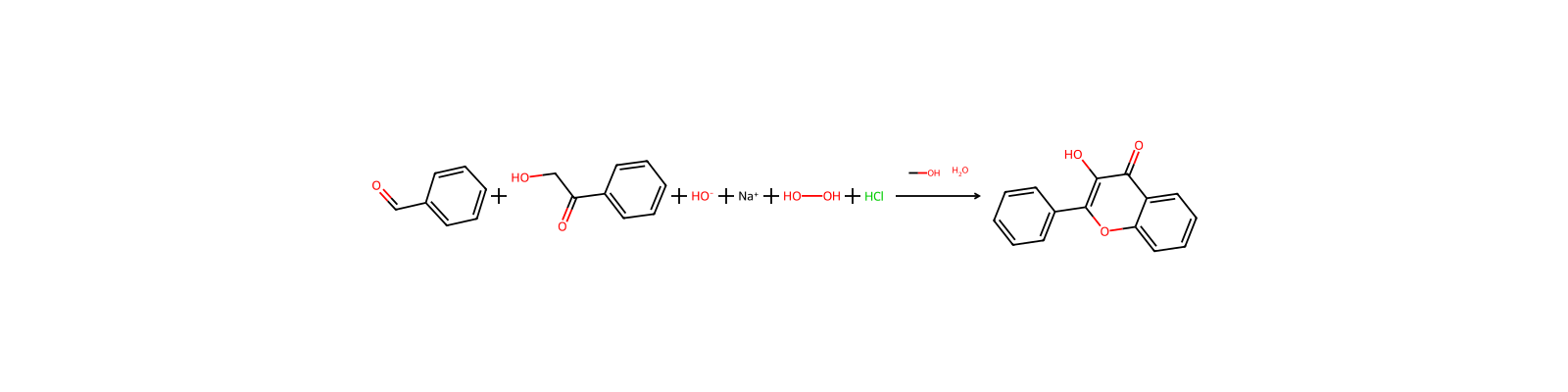
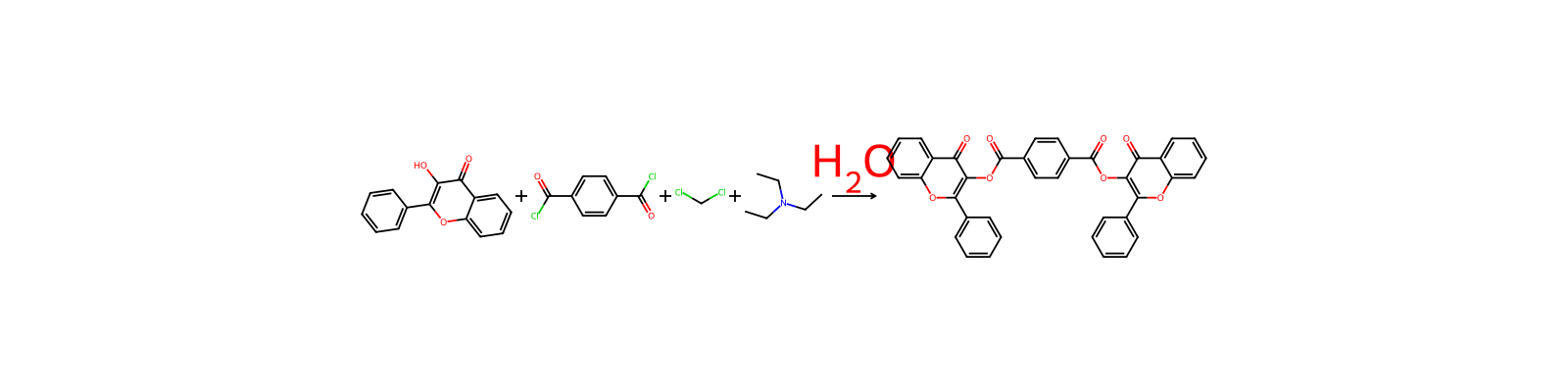
연결된 노트
불러오는 중…