
2-아미노-2-메틸-1-프로판올
2-Amino-2-methyl-1-propanol

기본 정보
- CAS
124-68-5- 표준 SMILES
CC(C)(N)CO- InChIKey
CBTVGIZVANVGBH-UHFFFAOYSA-N- 분자식
- C4H11NO
- 평균 분자량
- 89.14 g/mol
- 단동위원소 질량
- 89.08406397
개요
2-amino-2-methyl-1-propanol appears as a clear light colored liquid. Insoluble in water and about the same density as water. Flash point 172 °F. Used to make other chemicals.
이름 및 식별자
- 우선 이름
- 2-Amino-2-methyl-1-propanol
- IUPAC
- 2-amino-2-methylpropan-1-ol
- 현지명
- 2-아미노-2-메틸-1-프로판올
- 영어명
- 2-Amino-2-methyl-1-propanol
- 분자식
- C4H11NO
- 분자량
- 89.14
이름 및 동의어
2-Amino-2-methyl-1-propanol124-68-52-AminoisobutanolAminomethylpropanolIsobutanol-2-amineAMP Regular1-Propanol, 2-amino-2-methyl-2-AminodimethylethanolAmp-952-AMINO-2-METHYLPROPANOL2-Methyl-2-aminopropanolCorrguard 75
이름 더 보기
2-아미노-2-메틸-1-프로판올2-아미노-2-메틸프로판올아미노메틸프로판올2.2-다이메틸에탄올아민2-아미노 아이소뷰틸 알코올2-아미노-2-메틸프로파놀2-아미노-2-메틸프로판-1-올2-아미노다이메틸에탄올2-아미노아이소부탄올베타-아미노아이소부탄올아이소부탄올-2-아민아이소부탄올아민2-AMINO-2-METHYLPROPAN-1-OLKarl Fischer2-methyl-2-amino-1-propanolmonoisobutanolamine2,2-Diethyl-ethanolamine2-amino-2-methyl-1-propano
Hydroxy-tert-butylamineAMP (thinner)2-Amino-2,2-dimethylethanolIsobutanolamine1,1-Dimethyl-2-hydroxyethylamine2-Hydroxymethyl-2-propylamine2-Methyl-2-aminopropanol-12-Amino-1-hydroxy-2-methylpropane
데이터베이스 식별자
- CAS
124-68-5- PubChem CID
- 11807
- DTXSID
DTXSID8027032- ChEMBL
CHEMBL122588- UNII
- LU49E6626Q
- EC Number
- 204-709-8
- Nikkaji
- J38.382A
물성
구조 계산 물성
- XLogP
- -0.8
- 극성 표면적
- 46.3 Ų
- 수소 결합 공여자 수
- 2
- 수소 결합 수용자 수
- 2
- 회전 가능 결합 수
- 1
- 무거운 원자 수
- 6
- 형식 전하
- 0
- 복잡도
- 42.8
실험 및 물리화학적 성질
Chemical Classes
Nitrogen Compounds -> Amines, Aliphatic
Flammable agents - 2nd degree
Cosmetics
Cosmetic ingredients (Aminomethyl Propanol) -> CIR (Cosmetic Ingredient Review)
Cosmetic ingredients (Aminomethylpropanol) -> CIR (Cosmetic Ingredient Review)
Buffering
pHPH OF 0.1 AQ SOLN 11.3
SpringerMaterials PropertiesChemical diffusion
Density
0.935 (USCG, 1999) - Less dense than water; will float
0.934 @ 20 °C/20 °C
0.93 g/cm³
0.935
0.934 @25 °C
Color/FormCRYSTALLINE MASS
Solubility
MISCIBLE WITH WATER; SOL IN ALCOHOLS
Solubility in water: miscible
Flash Point
153 °F (USCG, 1999)
67 °C
67 °C CC
67 °C c.c.
153 °F
Boiling Point
329 °F at 760 mmHg (99+% compound) (USCG, 1999)
안전 및 규제
안전 정보는 참고용이며, 공급업체의 물질안전보건자료(SDS), 관련 법규 및 전문가 평가를 대체하지 않습니다.
GHS 분류
GHS Classification
Warning
H315: Causes skin irritation [Warning Skin corrosion/irritation]
P264, P264+P265, P273, P280, P302+P352, P305+P351+P338, P321, P332+P317, P337+P317, P362+P364, and P501 (click each P-code to see the statement)
This chemical does not meet GHS hazard criteria for 0.3% (12 of 4294) of reports.
Warning
H315 (99.7%): Causes skin irritation [Warning Skin corrosion/irritation]
유해성 정보
Regulatory Information
Chemical: 1-Propanol, 2-amino-2-methyl-
1-Propanol, 2-amino-2-methyl- is listed on the EPA's Chemical Data Reporting (CDR) system. Manufacturers and importers of 1-Propanol, 2-amino-2-methyl- are required to report information about their production and use of this chemical to the EPA under the Toxic Substances Control Act (TSCA). (40 eCFR Part 711)
REACH registered substance: 2-amino-2-methylpropanol (EC: 204-709-8)
2-Amino-2-methyl-1-propanol: Does not have an individual approval but may be used under an appropriate group standard
The New Jersey Worker and Community Right to Know Act requires public and private employers to provide information about hazardous substances at their workplaces. (N.J.S.A. 34:5A-1 et. seq.)
Other Safety InformationIMAP assessments - 1-Propanol, 2-amino-2-methyl-: Environment tier I assessment
DOT LabelCombustible Liquid
Fire Hazards
Special Hazards of Combustion Products: Emits toxic fumes during fire conditions. (USCG, 1999)
Combustible. Gives off irritating or toxic fumes (or gases) in a fire. Above 67 °C explosive vapour/air mixtures may be formed.
Health Hazards
Causes severe irritation. Inhalation may be fatal as a result of spasm, inflammation, and edema of laryns and bronchi, chemical pneumonitis, and pulmonary edema. Symptoms of exposure may include burning sensation, coughing, wheezing, laryngitis, shortness of breath, headache, nausea and vomiting. (USCG, 1999)
화학 및 산업
약리 정보
Absorption, Distribution and Excretion
METABOLISM AND DISTRIBUTION OF (3)H-LABELED 2-AMINO-2-METHYLPROPANOL WAS STUDIED IN RATS RECEIVING NORMAL OR CHOLINE-DEFICIENT DIETS. TRITIUM APPEARED IN THE SERUM OF BOTH GROUPS 30 MIN AFTER THE IP INJECTION BUT THE LEVEL WAS GENERALLY LOWER IN THE CHOLINE-DEFICIENT GROUP. RATS ON THE NORMAL DIET EXCRETED MORE OF THE AMINO ACID IN THE URINE THAN DID THE CHOLINE-DEFICIENT RATS IN BOTH GROUPS ONLY THE UNCHANGED AMINO ACID WAS EXCRETED. LIVERS FROM THE CHOLINE-DEFICIENT GROUP HAD A GREATER UPTAKE AND RETENTION OF THE LABEL THAN THOSE FROM NORMAL RATS. MOST OF THE LABEL WAS FOUND IN THE CYTOSOL OF BOTH LIVER AND KIDNEY.
용도 및 제조
Uses
CIR ingredient: Aminomethyl Propanol
CIR ingredient: Aminomethylpropanol
Used to make other chemicals (surface-active agents, vulcanization accelerators, and pharmaceuticals) and as an emulsifying agent for cosmetic creams and lotions, mineral oil and paraffin wax emulsions, leather dressings, textile specialties, polishes, cleaning compounds, and so-called soluble oils; Also used in hair sprays, wave sets, hair dyes, Pamabrom (drug), and absorbents for acidic gases; [Merck Index] Used as a pigment dispersant for water-based paints, resin solubilizer, corrosion inhibitor, protecting agent for carbonyl groups and in boiler-water treatment; [CHEMINFO]
Painting (Pigments, Binders, and Biocides) [Category: Paint]
IN SYNTH OF SURFACE-ACTIVE AGENTS, VULCANIZATION ACCELERATORS, PHARMACEUTICALS; ABSORBENT FOR ACIDIC GASES; EMULSIFYING AGENT FOR COSMETIC CREAMS AND LOTIONS, MINERAL OIL & PARAFFIN WAX EMULSIONS, LEATHER DRESSINGS, TEXTILE SPECIALTIES, POLISHES, CLEANING COMPOUNDS, SO-CALLED SOL OILS; INGREDIENT OF DIURETIC PAMABROM
U.S. Production2023: 10,000,000 - <50,000,000 lb
Consumer UsesNot Known or Reasonably Ascertainable
Industry UsesPigment
Methods of Manufacturing
관련 반응
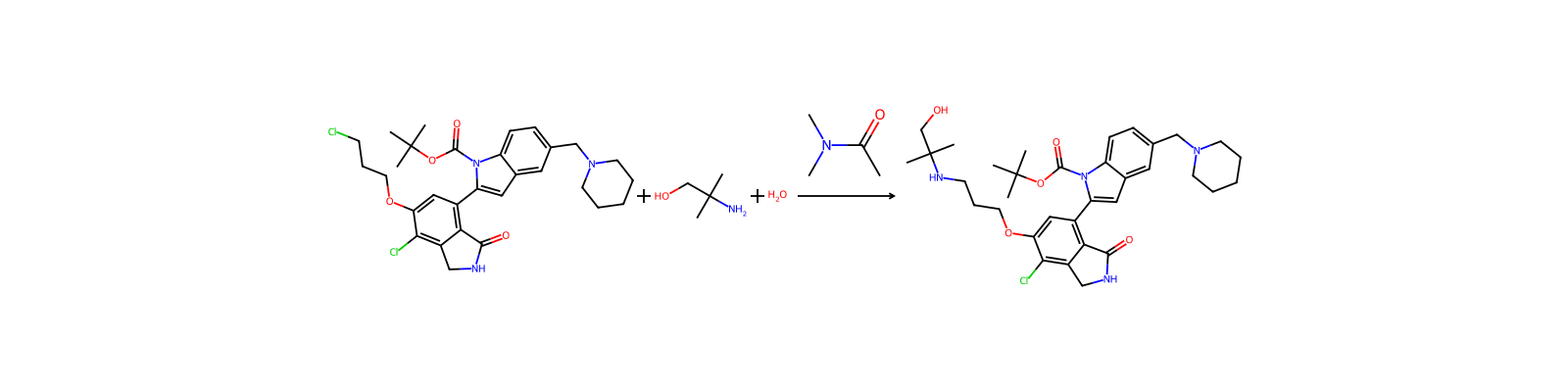
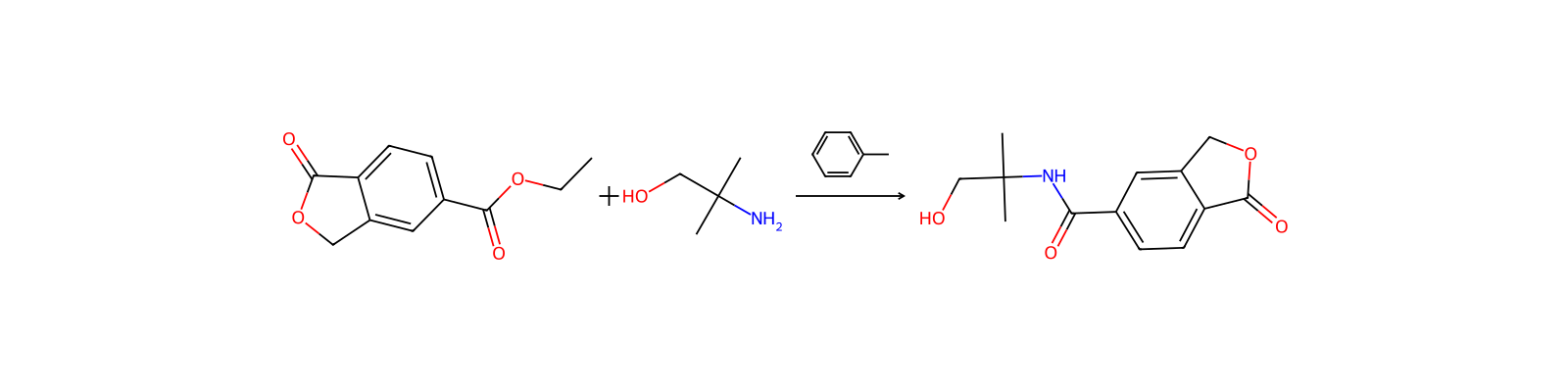
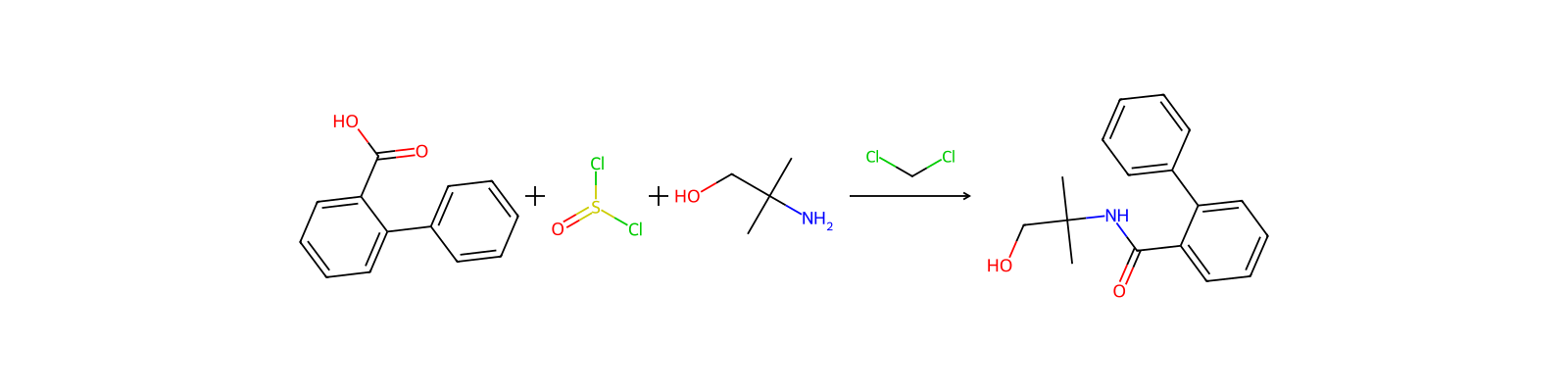
785건



화합물 노트
불러오는 중…