Benzyl carbamate
데이터를 보충하는 중입니다. 잠시 후 페이지를 새로 고치면 최신 내용을 볼 수 있습니다

기본 정보
- CAS
621-84-1- 표준 SMILES
NC(=O)OCc1ccccc1- InChIKey
PUJDIJCNWFYVJX-UHFFFAOYSA-N- 분자식
- C8H9NO2
- 평균 분자량
- 151.16 g/mol
- 단동위원소 질량
- 151.06332853
이름 및 식별자
- 우선 이름
- Benzyl carbamate
- IUPAC
- benzyl carbamate
- 영어명
- Benzyl carbamate
- 분자식
- C8H9NO2
- 분자량
- 151.16
이름 및 동의어
BENZYL CARBAMATE621-84-1Carbamic acid, phenylmethyl esterCarbamic acid benzyl esterBenzylcarbamateCCRIS 5070AI3-52524EINECS 210-710-4NSC 25317DTXSID00211159UNII-7890Q001S7NSC-25317
이름 더 보기
Z-NH2CARBAMO-BenzylcarbamateBenzyl aminoformateN-CARBOBENZOXY-AMIDEZ-AMIDEBenzyl urethane
PHENYLMETHYL CARBAMATE7890Q001S7RefChem:118862DTXCID50133650210-710-4InChI=1/C8H9NO2/c9-8(10)11-6-7-4-2-1-3-5-7/h1-5H,6H2,(H2,9,10PUJDIJCNWFYVJX-UHFFFAOYSA-NCarbamyl Benzyl Ester
데이터베이스 식별자
- CAS
621-84-1- PubChem CID
- 12136
- DTXSID
DTXSID00211159- ChEMBL
CHEMBL2259788- UNII
- 7890Q001S7
- EC Number
- 210-710-4
- Nikkaji
- J95.774G
물성
구조 계산 물성보충 중
- XLogP
- 1.2
- 극성 표면적
- 52.3 Ų
- 수소 결합 공여자 수
- 1
- 수소 결합 수용자 수
- 2
- 회전 가능 결합 수
- 3
- 무거운 원자 수
- 11
- 형식 전하
- 0
- 복잡도
- 130
물리화학적 성질
- 녹는점
- 86 · 86-89 °C (lit.)
- 끓는 점
- 273.17 °C · 273.17°C (rough estimate)
- 밀도
- 1.2023 · 1.2023 (rough estimate)
- 굴절률
- 1.581 · 1.5810 (estimate)
- 저장 조건
- Keep in dark place,Sealed in dry,Room Temperature
- 용해도
- 클로로포름(약간 용해됨), 메탄올(약간 용해됨)
- 물리적 상태
- 분말 또는 플레이크
- 산도 계수 (pKa)
- 13.42 · 13.42±0.50(Predicted)
- 색상
- 미색부터 밝은 베이지까지
- 수용성
- 68.02 g/L · 68.02g/L(37℃)
- BRN
- 1865635 · 1865635
- InChI
- InChI=1S/C8H9NO2/c9-8(10)11-6-7-4-2-1-3-5-7/h1-5H,6H2,(H2,9,10)
- InChIKey
- PUJDIJCNWFYVJX-UHFFFAOYSA-N
- SMILES
- C(OCC1=CC=CC=C1)(=O)N
- NIST
- Carbamic acid, benzyl ester(621-84-1)
화학적 성질
Off-white to light beige powder or flakes, melting point 87-89 ℃. Insoluble in water, soluble in organic solvents such as benzene.
안전 및 규제
안전 정보는 참고용이며, 공급업체의 물질안전보건자료(SDS), 관련 법규 및 전문가 평가를 대체하지 않습니다.
GHS 분류
GHS Classification
Warning
H302 (50%): Harmful if swallowed [Warning Acute toxicity, oral]
P261, P264, P264+P265, P270, P271, P273, P280, P301+P317, P302+P352, P304+P340, P305+P351+P338, P317, P319, P321, P330, P332+P317, P337+P317, P362+P364, P403+P233, P405, and P501 (click each P-code to see the statement)
Aggregated GHS information provided per 2 reports by companies from 2 notifications to the ECHA C&L Inventory. Each notification may be associated with multiple companies.
유해성 정보
Hazard Classes and CategoriesAcute Tox. 4 (50%)
안전 데이터
- wgk
- 3
- HS 번호
- 29242995
- risk_code
- 20/21/22-36/37/38
- hazard_code
- Xn
- safety_code
- 22-24/25-36-26
- 스토리지 클래스
- 11 - Combustible Solids
화학 및 산업
응용 분야
용도Benzyl carbamate is a reagent used for the nucleophilic introduction of an amino-protected group, Benzyl carbamates can be considered as a benzyloxycarbonyl (otherwise known as carbobenzyloxy, Cbz or Z) protecting group for amino groups. It was introduced as a versatile alternative to the ethoxy carbamate group in peptide synthesis.
제조 방법
Benzyl carbamate is prepared by reacting benzyl chloroformate with ammonia. Benzyl chloroformate was slowly added to 5 times the volume of cold ammonia water (relative density 0.90) under vigorous stirring, the reaction mixture was placed at room temperature for 30 minutes, the precipitate was filtered out, washed with water and dried to obtain the finished product of benzyl carbamate.
상·하류 제품 정보
상류 원료
하류 제품
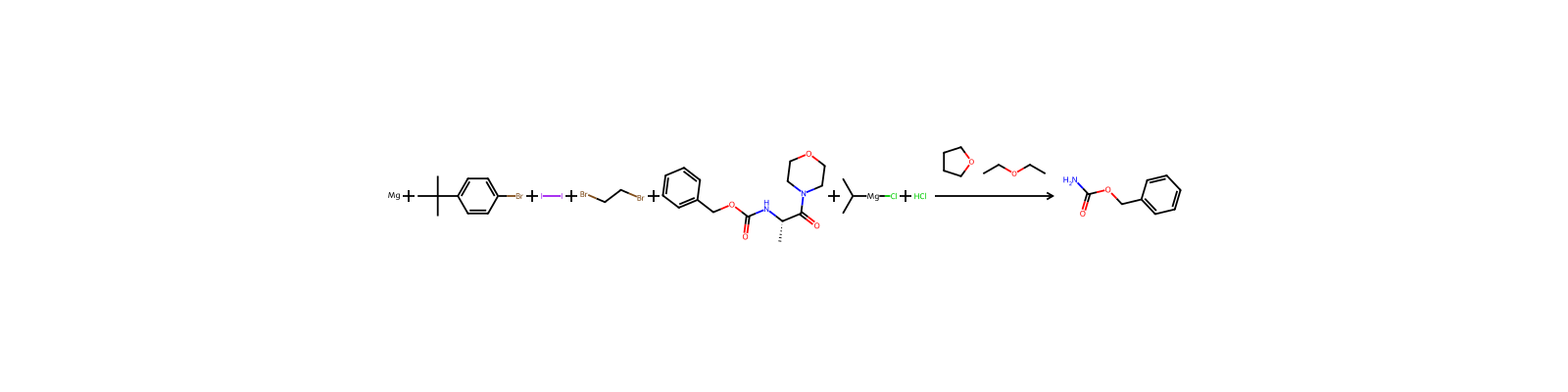
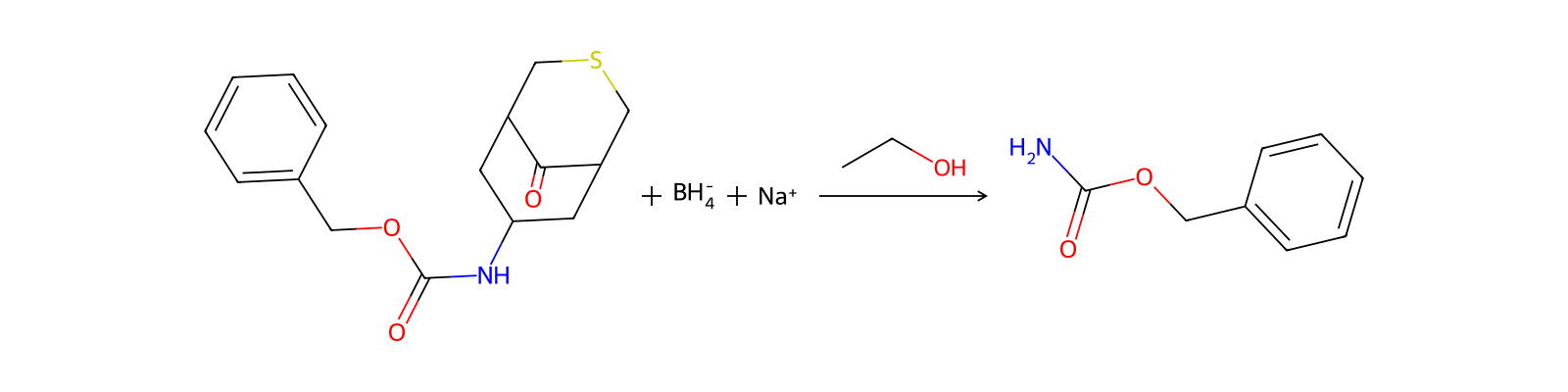
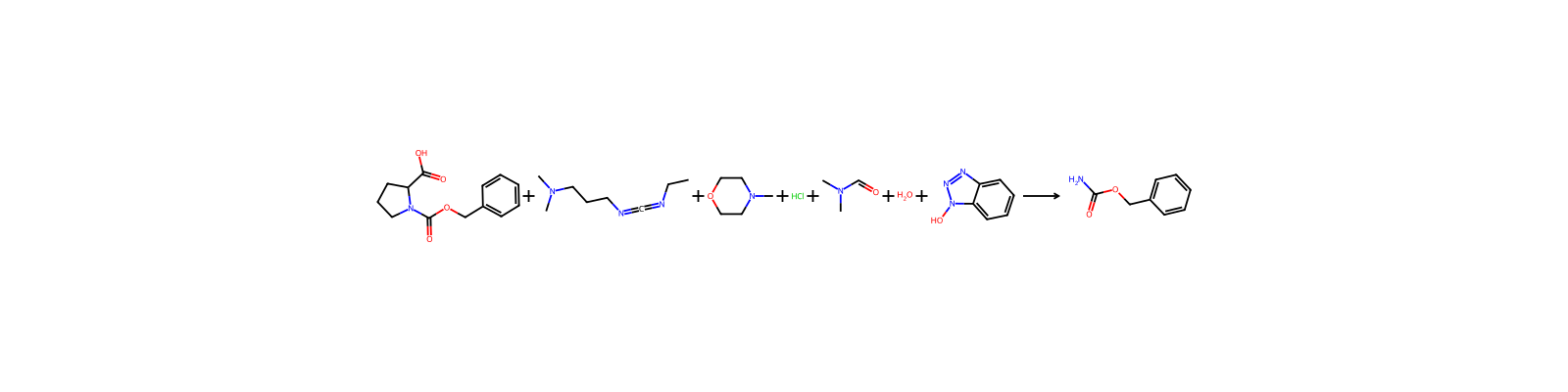
관련 반응
401건



화합물 노트
불러오는 중…