티오황산 나트륨
Sodium Thiosulfate
데이터를 보충하는 중입니다. 잠시 후 페이지를 새로 고치면 최신 내용을 볼 수 있습니다
기본 정보
- CAS
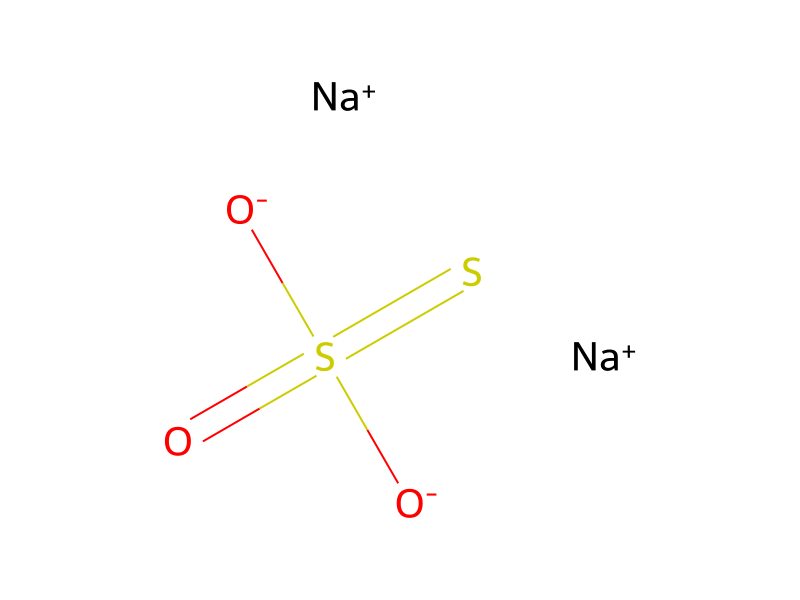
7772-98-7- 표준 SMILES
O=S([O-])([O-])=S.[Na+].[Na+]- InChIKey
AKHNMLFCWUSKQB-UHFFFAOYSA-L- 분자식
- Na2O3S2
- 평균 분자량
- 158.11 g/mol
- 단동위원소 질량
- 157.90842442
개요
Sodium thiosulfate is an inorganic sodium salt composed of sodium and thiosulfate ions in a 2:1 ratio. It has a role as a nephroprotective agent, an antifungal drug and an antidote to cyanide poisoning. It contains a thiosulfate(2-).
이름 및 식별자
- 우선 이름
- Sodium Thiosulfate
- IUPAC
- disodium;dioxido-oxo-sulfanylidene-λ6-sulfane
- 현지명
- 티오황산 나트륨
- 영어명
- Sodium thiosulfate
- 분자식
- Na2O3S2
- 분자량
- 158.11
이름 및 동의어
SODIUM THIOSULFATE7772-98-7Sodium thiosulphateDisodium thiosulfateSodothiolHypoChlorine ControlChlorine CureSodium thiosulfate, anhydrousThiosulfuric acid, disodium saltSodium thiosulfate (Na2S2O3)Sodium thiosulphate (Na2S2O3)
이름 더 보기
티오황산염나트륨산화물황화물(NA2S2O3)나트륨하이포아황산염디나트륨티오황산염나트륨티오황산염(NA2S2O3)나트륨티오황산염무수물싸이오황산나트륨티오황산(H2S2O3),디나트륨염티오황산나트륨티오황산,디나트륨염무수티오황산나트륨하이포소듐티오설페이트싸이오황산나트륨(SODIUMTHIOSULFATE)다이소디움 티오설페이트소디움 하이포설파이트싸이오황산 나트륨na2s2o3ThiosulfateSODIUM HYPOSULFITENa2O3S2Sodium ThiosulfiteSodium ThiosulfatSodium Hyposulfite AnhydrousAnhydrous sodium thiosulfate
Sodium oxide sulfide (Na2S2O3)L0IYT1O31NThiosulfuric acid (H2S2O3), disodium saltIns no.539Ins-539Sodium thiosulphate, anhydrousDTXSID9042417CHEBI:132112
데이터베이스 식별자
- CAS
7772-98-7- PubChem CID
- 24477
- DTXSID
DTXSID9042417- ChEMBL
CHEMBL2096650、CHEMBL3753202- ChEBI
CHEBI:132112- UNII
- L0IYT1O31N
- EC Number
- 231-867-5
- Nikkaji
- J47.986A
물성
구조 계산 물성보충 중
- 극성 표면적
- 104 Ų
- 수소 결합 공여자 수
- 0
- 수소 결합 수용자 수
- 4
- 회전 가능 결합 수
- 0
- 무거운 원자 수
- 7
- 형식 전하
- 0
- 복잡도
- 82.6
실험 및 물리화학적 성질
Chemical ClassesOther Classes -> Sulfur Compounds
CosmeticsReducing
LogP-4.35 (calculated)
Density
1.667
1.7 g/cm³
Color/Form
POWDER
COLORLESS MONOCLINIC CRYSTALS
Solubility
PRACTICALLY INSOL IN ALCOHOL
50 G SOL IN 100 CC WATER; 231 G @ 100 °C
Solubility in water, g/100ml at 20 °C: 20.9
Human Drugs
FDA approved drugs -> Active ingredient
EMA approved medicines: Human medicine
FDA approved drugs -> Active ingredient
Antidotes and other substances used in poisonings > Specific
Animal DrugsPharmaceuticals -> UK Veterinary Medicines Directorate List
Decomposition
DANGEROUS; WHEN HEATED TO DECOMP, THEY EMIT HIGHLY TOXIC FUMES OF /DISODIUM OXIDE AND SULFUR OXIDES/.
300 °C
Melting Point48.5 °C
Vapor PressureVapor pressure at 20 °C: negligible
Refractive IndexINDEX OF REFRACTION: 1.489 ALPHA, 1.508 BETA, 1.536 GAMMA; OPTIC SIGN +
물리화학적 성질
- 녹는점
- 48 °C · 48°C
- 끓는 점
- 100 °C · 100°C
- 밀도
- 1.01 g/mL · 1.01 g/mL at 25 °C
- 저장 조건
- 5 °C · Store at +5°C to +30°C.
- 용해도
- 알코올과 혼합되지 않습니다.
- 물리적 상태
- 고체
- Specific Gravity
- 1.667 · 1.667
- 색상
- 하얀색
- 수소이온지수(pH)
- 6 · 6.0-8.5 (25℃, 50mg/mL in H2O)
- 수용성
- 물에 용해됩니다. 알코올에 불용성.
- Merck
- 14 · 14,8694
- 안정성
- 안정적인. 강산, 강산화제, 요오드, 수은과 호환되지 않습니다.
- 화장품 원료 기능
- 피부의 산화 스트레스를 줄이세요
- InChI
- 1S/2Na.H2O3S2/c;;1-5(2,3)4/h;;(H2,1,2,3,4)/q2*+1;/p-2
- InChIKey
- AKHNMLFCWUSKQB-UHFFFAOYSA-L
- SMILES
- [Na+].[Na+].[O-]S([O-])(=O)=S
- LogP
- -0.428 · -0.428 (est)
- EPA
- Sodium thiosulfate (7772-98-7)
화학적 성질
Sodium thiosulfate, Na2S203·5H20, also known as sodium hyposulfite, hypo,andsodium subsulfite, is a white crystalline solid that has a melting point of 48 °C(118 °F). Water soluble,it is used as a fixing agent for photographic films, plates, and papers. Sodium thiosulfate is used in medicine, as a germicide, in manufacturing leather, as a mordant in dyeing, and for extracting silver from ore.
안전 및 규제
안전 정보는 참고용이며, 공급업체의 물질안전보건자료(SDS), 관련 법규 및 전문가 평가를 대체하지 않습니다.
GHS 분류
GHS Classification
Not Classified
Aggregated GHS information provided per 2963 reports by companies from 8 notifications to the ECHA C&L Inventory.
유해성 정보
Regulatory Information
Chemical: Thiosulfuric acid (H2S2O3), disodium salt
Thiosulfuric acid (H2S2O3), sodium salt (1:2) is listed on the EPA's Chemical Data Reporting (CDR) system. Manufacturers and importers of Thiosulfuric acid (H2S2O3), sodium salt (1:2) are required to report information about their production and use of this chemical to the EPA under the Toxic Substances Control Act (TSCA). (40 eCFR Part 711)
Status: Active Update: 24-04-2023 https://echa.europa.eu/registration-dossier/-/registered-dossier/14321
Sodium thiosulphate: Does not have an individual approval but may be used under an appropriate group standard
Other Safety InformationIMAP assessments - Thiosulfuric acid (H2S2O3), disodium salt: Environment tier I assessment
Fire HazardsNot combustible. Gives off irritating or toxic fumes (or gases) in a fire. Risk of explosion on contact with oxidizing agents.
Hazards Summary
Potential combustible dust hazard; Decomposes slowly in water with potential generation of toxic and flammable hydrogen sulfide and corrosive hydrogen sulfite and sulfuric acid; Very soluble in water; Extremely low vapor pressure; May violently decomposes at 223 deg C; [CHEMINFO] ADI = 0-0.7 mg/kg; [JECFA] May be used in food up to 0.1%; [Hawley] See Potassium thiosulfate.
FDA Requirements121.101; LIMITATIONS: GRAS, SEQUESTRANT IN SALT UP TO 0.1%
EPA Safer ChemicalChemical: Sodium thiosulfate
Chemical DangersDecomposes on heating. This produces toxic fumes including sulfur oxides. Reacts violently with strong oxidants.
Hazard Classes and CategoriesNot Classified
Explosive Limits and Potential
DRY TRITURATION WITH OXIDIZING AGENTS SUCH AS POTASSIUM CHLORATE, POTASSIUM PERMANGANATE, OR NITRATE MAY CAUSE EXPLOSION.
WHEN SODIUM NITRITE & THIOSULFATE MIXT WAS HEATED TO EVAPORATE TO DRYNESS, VIOLENT EXPLOSION OCCURRED.
안전 및 보호
Fire FightingIn case of fire in the surroundings, use appropriate extinguishing media.
First Aid Measures
Fresh air, rest.
Rinse and then wash skin with water and soap.
Rinse with plenty of water for several minutes (remove contact lenses if easily possible).
Rinse mouth.
Safe StorageSeparated from strong oxidants.
Spillage DisposalPersonal protection: particulate filter respirator adapted to the airborne concentration of the substance. Sweep spilled substance into covered containers.
Eye PreventionWear safety goggles.
Fire PreventionNO contact with oxidizing agents.
Inhalation RiskA nuisance-causing concentration of airborne particles can be reached quickly when dispersed.
Ingestion PreventionDo not eat, drink, or smoke during work.
Inhalation PreventionAvoid inhalation of dust.
Protective Action Criteria (PAC)
5.8 [mg/m3]
64 [mg/m3]
380 [mg/m3]
독성 정보
Signs and SymptomsRedness.
Human Toxicity ExcerptsREMARKABLY INERT IN VIVO, EXCEPT FOR OSMOTIC DISTURBANCES. ... ACTS AS OSMOTIC CATHARTIC.
Drug Induced Liver Injury
Drug Induced Liver Injury Rank (DILIrank 2.0)
Sodium thiosulfate
vNo-DILI-concern
0
No match
DOI:10.1016/j.drudis.2016.02.015
규제 정보
FDA Requirements121.101; LIMITATIONS: GRAS, SEQUESTRANT IN SALT UP TO 0.1%
안전 데이터
- wgk
- 1
- tsca
- TSCA listed
- rtecs
- XN6476000
- 독성
- LD50 orally in Rabbit: > 5000 mg/kg
- HS 번호
- 28323000
- risk_code
- 36/37/38
- hazard_code
- Xi
- safety_code
- 24/25-23-36-26
- 기존화학 물질
- KE-31633
- F 고인화성물질
- 3
- 스토리지 클래스
- 11 - Combustible Solids
- 유해 물질 데이터
- 7772-98-7(Hazardous Substances Data)
화학 및 산업
약리 정보
ATC CodeV03AB06
Mechanism of Action
/ANTIFUNGAL ACTION OF SODIUM THIOSULFATE, USP,/...IS PROBABLY ATTRIBUTABLE TO SLOW RELEASE OF COLLOIDAL SULFUR.
IN CYANIDE POISONING, SODIUM NITRITE IS INJECTED IV...TO PRODUCE METHEMOGLOBIN WHICH COMBINES WITH...CYANIDE ION & RENDERS IT TEMPORARILY INACTIVE IN FORM OF CYANMETHEMOGLOBIN. SODIUM THIOSULFATE /USP/ IS THEN INJECTED IV TO FORM NONTOXIC THIOCYANATE.
THIOSULFATE SERVES AS SUBSTRATE FOR ENZYME RHODANESE, WHICH MEDIATES CONVERSION OF CYANIDE TO MUCH LESS TOXIC THIOCYANATE, WHICH IS EXCRETED IN URINE.
MeSH Pharmacological Classification
Agents counteracting or neutralizing the action of POISONS.
Naturally occurring or synthetic substances that inhibit or retard oxidation reactions. They counteract the damaging effects of oxidation in animal tissues.
Drugs used in the treatment of tuberculosis. They are divided into two main classes: first-line agents, those with the greatest efficacy and acceptable degrees of toxicity used successfully in the great majority of cases; and second-line drugs used in drug-resistant cases or those in which some other patient-related condition has compromised the effectiveness of primary therapy.
Chemicals that bind to and remove ions from solutions. Many chelating agents function through the formation of COORDINATION COMPLEXES with METALS.
Absorption, Distribution and ExcretionPOORLY ABSORBED FROM BOWEL. ... THIOSULFATE ION DISTRIBUTES ITSELF IN EXTRACELLULAR FLUID.
용도 및 제조
Uses
It is added in small quantities to ammonium thiosulfate, which is used as a photographic fixing salt. The hydrated salt is used as an anti-chlorine in bleaching, in wastewater purification, for reduction of dichromate in chromed leather production, and as a solvent for silver chloride in the chloride roasting of silver-containing minerals. [Ullmann] Used in paper bleaching, photography (fixer), silver extraction, dyeing textiles (mordant), and leather manufacturing; Also used as an antidote for cyanide poisoning and in vet medicine for bloat and ringworm; [Merck Index]
Pulp and Paper Processing [Category: Industry]
Applying metallic patinas [Category: Hobbies]
TO REMOVE CHLORINE FROM SOLN; AS "ANTICHLOR" IN BLEACHING OF PAPER PULP; FIXER IN PHOTOGRAPHY; MORDANT IN DYEING & PRINTING TEXTILES; REDUCER IN CHROME DYEING, MFR LEATHER; EXTRACTING OF SILVER FROM ORES; BLEACHING BONE, STRAW, IVORY; REAGENT IN ANALYTICAL CHEMISTRY; ANTIDOTE (CYANIDE POISONING)
SEQUESTRANT IN SALT
PHOTOGRAPHIC AGENT TO DISSOLVE SILVER HALIDES; AGENT IN CHROME LEATHER TANNING; ANTICHLOR IN BLEACHING CELLULOSE PRODUCTS; SOURCE OF SULFUR DIOXIDE IN BLEACHING VARIOUS PRODUCTS; PRESERVATIVE; CHEMICAL INTERMEDIATE
U.S. Exports
(1972) No Data
(1975) No Data
(1984) 6.54X10+9 g /Sodium Sulfite, Bisulfite, Metabisulfite, and Thiosulfate/
U.S. Imports
(1972) No Data
(1975) 3.44X10+8 GRAMS (INCL SULFITES)
(1984) 9.51X10+9 g /Sodium Sulfite/, Bisulfite, Metabisulfite, and Thiosulfate/
U.S. Production
2023: 85,000,000 - <100,000,000 lb
(1972) 1.96X10+10 GRAMS
(1975) 1.7X10+10 GRAMS
Consumption Patterns
90% FOR PHOTOGRAPHY; 5% FOR LEATHER TANNING; 5% FOR CHEMICALS AND MISC APPLICATIONS (1969)
Photographic, 25%; Anitchlor: Paper-25%, Water-20%, Chlor/Alkali-10%; Oil Well Drilling Muds, 10%; Tetramethyl Lead Manufacture, 5%; Other, 5% (1985)
Consumer UsesNot Known or Reasonably Ascertainable
Industry UsesOxidizing agent
Methods of Manufacturing
BY-PRODUCT LIQUOR FROM SODIUM SULFIDE PRODUCTION IS REACTED WITH SULFUR DIOXIDE TO YIELD SODIUM THIOSULFATE; OR ORGANIC NITRO COMPOUNDS ARE BOILED WITH SODIUM POLYSULFIDE SOLUTION TO YIELD A LEACH LIQUOR OF SODIUM THIOSULFATE, WHICH IS THEN PURIFIED, CONCENTRATED AND CRYSTALLIZED
BY DISSOLVING SULFUR IN SODIUM SULFITE SOLN & THEN CRYSTALLIZING. IT IS ALSO PREPARED FROM WASTE LIQUORS OBTAINED IN PRODN OF SODIUM SULFIDE, LIQUORS CONTAINING SODIUM CARBONATE & SMALL AMT OF SODIUM SULFITE & SODIUM SULFATE IN ADDN TO SULFIDE.
Formulations/PreparationsGrades: Technical; Crystals; granulated; photographic; C.P.; U.S.P.; F.C.C.
Household ProductsInformation on 22 consumer products that contain Sodium thiosulfate anhydrous in the following categories is provided:
Use Classification
EPA Safer Chemical Functional Use Classes -> Processing Aids and Additives
Safer Chemical Classes -> Green half-circle - The chemical is expected to be of low concern
Food Additives -> ANTIOXIDANT; PRESERVATIVE; SEQUESTRANT -> JECFA Functional Classes
Food Additives -> ANTIOXIDANT; PRESERVATIVE; SEQUESTRANT -> JECFA Functional Classes
Cosmetics -> Reducing
General Manufacturing Information
All Other Basic Inorganic Chemical Manufacturing
Thiosulfuric acid (H2S2O3), sodium salt (1:2): ACTIVE
INCOMP: ACIDS DECOMP /IT/...WITH...PPTN /OF SULFUR & LIBERATION OF SO2/. IN ACID SOLN.../IT/ HAS REDUCING POWERS, & IS THEREFORE INCOMPATIBLE WITH OXIDIZING AGENTS. LEAD, SILVER & MERCUROUS SALTS PPT AS THIOSULFATES. SILVER HALIDES ARE MADE SOL BY.../IT/. BISMUTH SUBNITRATE IS PARTIALLY CONVERTED TO METALLIC BISMUTH.
SODIUM THIOSULFATE IS ONE OF INGREDIENTS WHICH MAY BE FOUND IN CHEMISTRY SETS. /FROM TABLE/
응용 분야
용도각종 금속이온과 반응하여 티오 술파이트 착체를 생성하기 때문에 도금욕 중의 금속불순물 제거에 이용된다. 중금속이나 시안화수소의 해독제로써 사용된다. 수돗물의 염소제거제로 사용되기도 한다.
용도Sodium thiosulfate is a common analytical reagent used in iodometric titration to analyze chlorine, bromine, and sulfide. Other uses are in bleaching paper pulp, bleaching straw, ivory, and bones, for removing chlorine from solutions, silver extraction from its ores, a mordant in dyeing and printing textiles, and as an antidote to cyanide poisoning. Another major application is in photography, where it is used as a fixer to dissolve unchanged silver salts from exposed negatives. Sodium Thiosulfate is used primarily as a medicament against cyanide poisoning, able to convert cyanide into thiocyanate, a reaction which is catalyzed by the enzyme Rhodanese. Antioxidant.
일반 설명Sodium thiosulfate (Na2S2O3) can be obtained from Na2S2O3.10H2O by heating above 100 °C. It can be synthesized from sodium sulfate.
제조 방법
Sodium thiosulfate is a common reducing agent. It reduces iodine to iodide anion forming sodium tetrathionate. This reaction is utilized in the so-called iodometric titration: 2S2O32ˉ + I2 → S4O62ˉ + 2IˉSodium thiosulfate reacts with chlorine to form sodium bisulfate and hydrochloric acid. This reaction removes chlorine from aqueous solutions:Na2S2O3 + 4Cl2 + 5H2O → 2NaHSO4 + 8HClSodium thiosulfate reacts with hydrochloric acid, decomposing to sulfur and sulfur dioxide: Na2S2O3 + 2HCl → 2NaCl + S + SO2 + H2O.
상·하류 제품 정보
상류 원료
하류 제품
추가 설명
정의ChEBI: An inorganic sodium salt composed of sodium and thiosulfate ions in a 2:1 ratio.
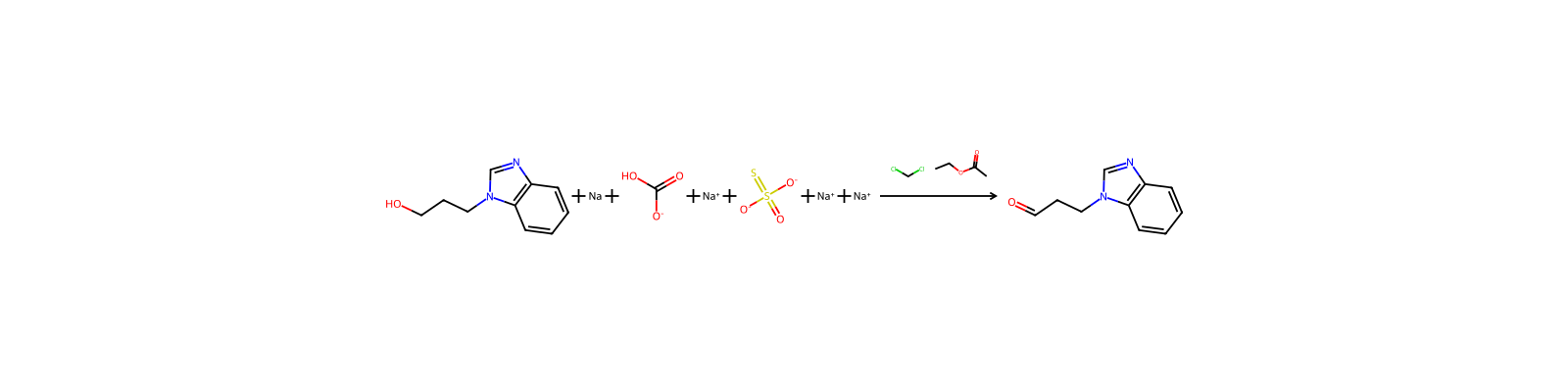
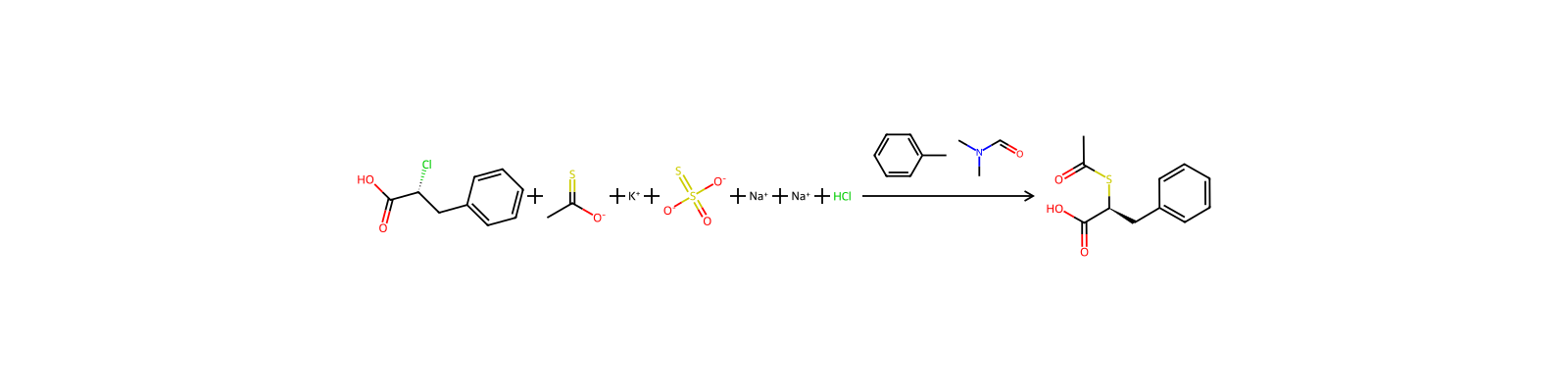
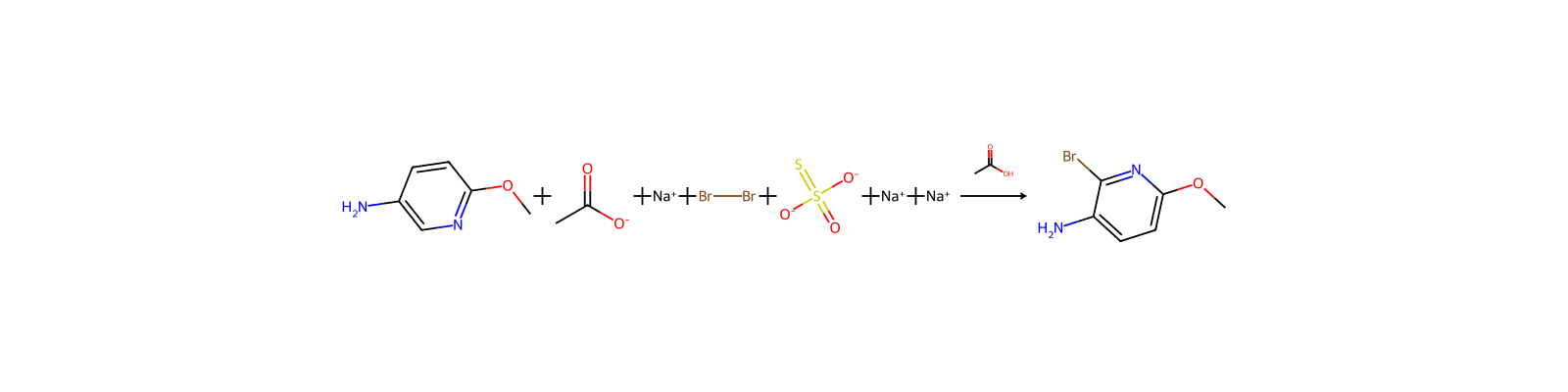
관련 반응
3,302건



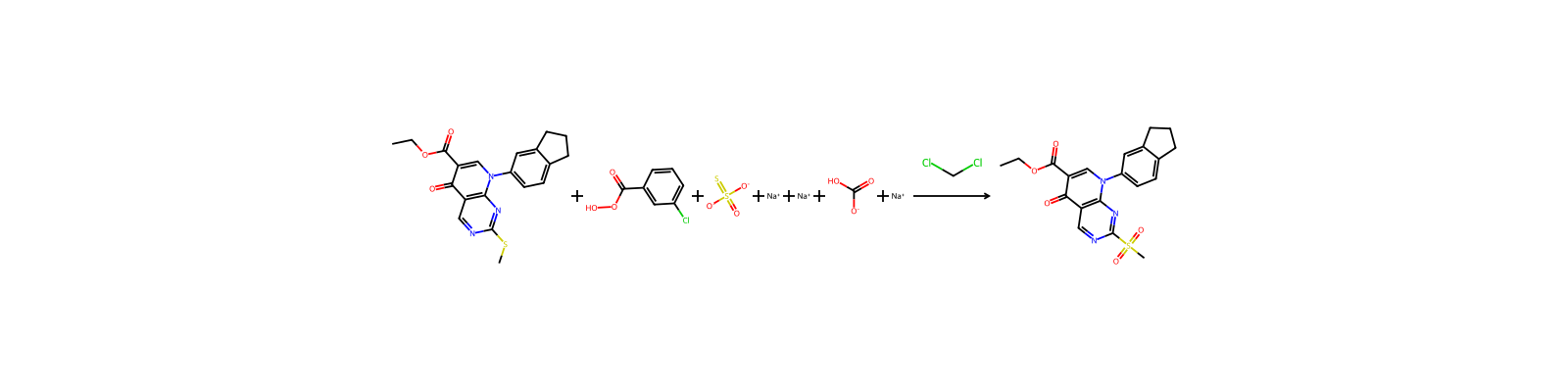

화합물 노트
불러오는 중…