
4-Coumaric acid

기본 정보
- CAS
7400-08-0- 표준 SMILES
O=C(O)C=Cc1ccc(O)cc1- InChIKey
NGSWKAQJJWESNS-UHFFFAOYSA-N- 분자식
- C9H8O3
- 평균 분자량
- 164.16 g/mol
- 단동위원소 질량
- 164.04734411
개요
NGSWKAQJJWESNS-UHFFFAOYSA-N has been reported in Camellia sinensis, Camellia reticulata, and other organisms with data available.
이름 및 식별자
- 우선 이름
- 4-Coumaric acid
- IUPAC
- 3-(4-hydroxyphenyl)prop-2-enoic acid
- 영어명
- 4-Hydroxycinnamic acid
- 분자식
- C9H8O3
- 분자량
- 164.16
이름 및 동의어
DTXSID6064660CHEBI:360903-(4-hydroxyphenyl)prop-2-enoic acidRefChem:1070546DTXCID10476054-Coumaric acidp-Hydroxycinnamic acidp-Hydroxy-cinnamic acid7400-08-04-trans-4-Hydroxycinnamic acidparahydroxycinnamic acidp-hydroxy cinnamic acid
이름 더 보기
4-Hydroxycinnamic acidTRANS-P-COUMARIC ACIDTRANS-4-COUMARIC ACIDP-CUMARIC ACIDPHCA3-(4-HYDROXYPHENYL)ACRYLIC ACID3-(4-Hydroxyphenyl)-2-propenoic acidpara-Coumaric acidTRANS-P-CUMARIC ACID
SODIUM2,4-PENTANEDIONATEAlkaline ceramidase2-Propenoic acid, 3-(4-hydroxyphenyl)-, (2Z)-4hydroxycinnamic acidDehydroepiandrosterone-[D6] (CertiMass solution)4- hydroxycinnamic acid4-hy droxycinnamic acid4-hydroxy-cinnamic acid
데이터베이스 식별자
- CAS
7400-08-0- PubChem CID
- 322
- DTXSID
DTXSID6064660- EC Number
- 231-000-0
물성
구조 계산 물성
- XLogP
- 1.5
- 극성 표면적
- 57.5 Ų
- 수소 결합 공여자 수
- 2
- 수소 결합 수용자 수
- 3
- 회전 가능 결합 수
- 2
- 무거운 원자 수
- 12
- 형식 전하
- 0
- 복잡도
- 178
실험 및 물리화학적 성질
CosmeticsSkin conditioning
물리화학적 성질
- 녹는점
- 214 °C · 214 °C (dec.)(lit.)
- 끓는 점
- 251.61 °C · 251.61°C (rough estimate)
- 밀도
- 1.2132 · 1.2132 (rough estimate)
- 굴절률
- 1.538 · 1.5380 (estimate)
- 저장 조건
- 30 °C · Store below +30°C.
- 용해도
- 아세톤(약간), 클로로포름(약간), 메탄올(약간)에 용해됨
- 물리적 상태
- 고체
- 산도 계수 (pKa)
- 4.65 · 4.65±0.10(Predicted)
- 색상
- 흰색에서 황백색까지
- 생물학적 소스
- rabbit
- 안정성
- 감광성
- 화장품 원료 기능
- 피부 컨디셔닝
- InChI
- InChI=1S/C9H8O3/c10-8-4-1-7(2-5-8)3-6-9(11)12/h1-6,10H,(H,11,12)
- InChIKey
- NGSWKAQJJWESNS-UHFFFAOYSA-N
- SMILES
- C(O)(=O)C=CC1=CC=C(O)C=C1
- LogP
- 1.79 · 1.790
안전 및 규제
안전 정보는 참고용이며, 공급업체의 물질안전보건자료(SDS), 관련 법규 및 전문가 평가를 대체하지 않습니다.
GHS 분류
GHS Classification
Danger
H301+H311 (63.6%): Toxic if swallowed or in contact with skin [Danger Acute toxicity, oral; acute toxicity, dermal]
P260, P261, P262, P264, P264+P265, P270, P271, P272, P280, P301+P316, P301+P330+P331, P302+P352, P302+P361+P354, P304+P340, P305+P351+P338, P305+P354+P338, P316, P317, P319, P321, P330, P332+P317, P333+P317, P337+P317, P361+P364, P362+P364, P363, P403+P233, P405, and P501 (click each P-code to see the statement)
Aggregated GHS information provided per 44 reports by companies from 7 notifications to the ECHA C&L Inventory. Each notification may be associated with multiple companies.
유해성 정보
Regulatory Information
REACH registered substance: 4-hydroxycinnamic acid (EC: 231-000-0)
4-Hydroxycinnamic acid: Does not have an individual approval but may be used under an appropriate group standard
Hazard Classes and CategoriesAcute Tox. 3 (68.2%)
안전 데이터
- wgk
- 2
- tsca
- TSCA listed
- rtecs
- GD9095000
- HS 번호
- 2918 29 00
- risk_code
- 36/37/38
- hazard_code
- Xi
- safety_code
- 26-36-36/37/39-22
- Hazard Classifications
- Eye Irrit. 2Skin Irrit. 2STOT SE 3
- 스토리지 클래스
- 11 - Combustible Solids
화학 및 산업
용도 및 제조
Use ClassificationCosmetics -> Skin conditioning
General Manufacturing Information2-Propenoic acid, 3-(4-hydroxyphenyl)-: ACTIVE
응용 분야
용도4-Hydroxycinnamic acid is the hydroxy derivative of Cinnamic Acid with antioxidant properties. It is a is a major component of lignocellulose. Studies suggest that 4-Hydroxycinnamic acid may reduce the risk of cancer by reducing the formation of carcinogenic nitrosamines. A recent study reports that 4-Hydroxycinnamic acid may act as a chemical castrator in bees by altering the epression of genes required for ovary development. This compound is common in pollen a major constituent of the worker bee diet, but it is not found in queen bees'royal jelly.
상·하류 제품 정보
상류 원료
하류 제품
관련 반응
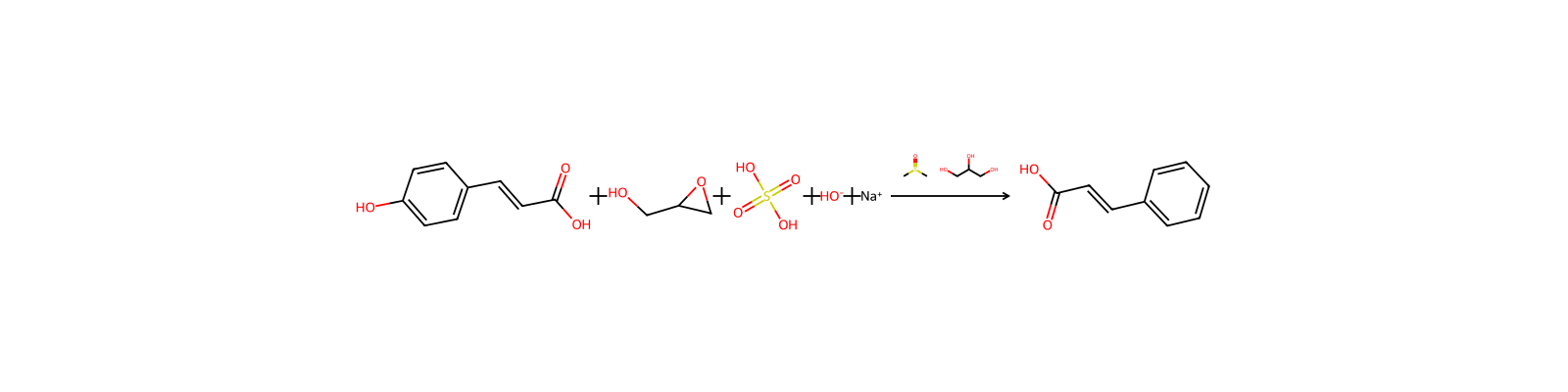
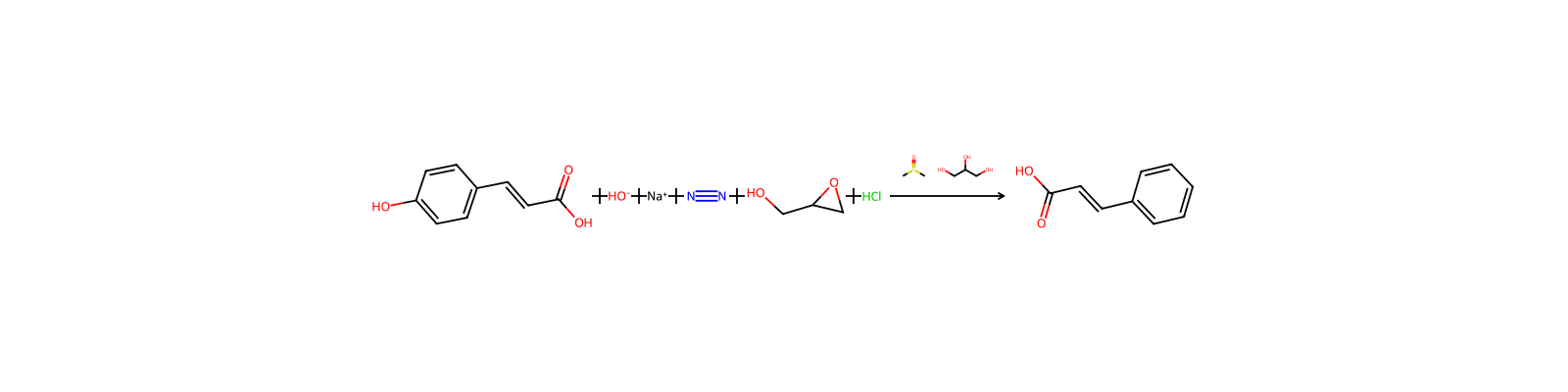
66건




화합물 노트
불러오는 중…