

기본 정보
- 표준 SMILES
NC(=O)N1c2ccccc2CC(=O)c2ccccc21- InChIKey
CTRLABGOLIVAIY-UHFFFAOYSA-N- 분자식
- C15H12N2O2
- 평균 분자량
- 252.27 g/mol
- 단동위원소 질량
- 252.08987762
개요
Oxcarbazepine is a dibenzoazepine derivative, having a carbamoyl group at the ring nitrogen, substituted with an oxo group at C-4 of the azepeine ring which is also hydrogenated at C-4 and C-5. It is a anticholinergic anticonvulsant and mood stabilizing drug, used primarily in the treatment of epilepsy. It has a role as an anticonvulsant and a drug allergen. It is a cyclic ketone and a dibenzoazepine. It contains a carbamoyl group.
이름 및 식별자
- 우선 이름
- Oxcarbazepine
- IUPAC
- 5-oxo-6H-benzo[b][1]benzazepine-11-carboxamide
- 현지명
- 옥스카르바제핀
- 영어명
- Oxcarbazepine
- 분자식
- C15H12N2O2
- 분자량
- 252.27
이름 및 동의어
OXCARBAZEPINE28721-07-5TrileptalOxcarbamazepineOxcarbazepinaOxcarbazepinum10-Oxo-10,11-dihydro-5H-dibenzo[b,f]azepine-5-carboxamideGP-47680Oxtellar XRKIN-4935H-Dibenz[b,f]azepine-5-carboxamide, 10,11-dihydro-10-oxo-DTXSID0045703
이름 더 보기
옥스카르바제핀OXACARBAZEPINEAureneOxetolOxecarbgp47680OcarbazepineOrcas xiping
5-oxo-6H-benzo[b][1]benzazepine-11-carboxamide10,11-Dihydro-10-oxo-5H-dibenz[b,f]azepine-5-carboxamideSPN-804OCBZ10,11-Dihydro-10-oxo-5H-dibenz(b,f)azepine-5-carboxamideNSC-758693CHEBI:7824VZI5B1W380
데이터베이스 식별자
- CAS
28721-07-5- PubChem CID
- 34312
- DTXSID
DTXSID0045703- ChEMBL
CHEMBL1068- ChEBI
CHEBI:7824- UNII
- VZI5B1W380
- EC Number
- 249-188-8
- Nikkaji
- J21.258J
물성
구조 계산 물성
- XLogP
- 1.7
- 극성 표면적
- 63.4 Ų
- 수소 결합 공여자 수
- 1
- 수소 결합 수용자 수
- 2
- 회전 가능 결합 수
- 0
- 무거운 원자 수
- 19
- 형식 전하
- 0
- 복잡도
- 382
실험 및 물리화학적 성질
Drugs
Pharmaceuticals -> Used in Switzerland
Pharmaceuticals -> Listed in ZINC15
Pharmaceuticals -> Antiepileptic
LogP
1.5
1.28
Color/Form
Crystals from ethanol
White to faintly orange crystalline powder
Solubility
Slightly soluble in chloroform, dichloromethane, acetone, and methanol and practically insoluble in ethanol, ether, and water.
1.60e-01 g/L
Human Drugs
Breast Feeding; Lactation; Milk, Human; Anticonvulsants
FDA approved drugs -> Active ingredient
FDA approved drugs -> Active ingredient
Pharmaceuticals
Melting Point
215-216 °C
215.5 °C
Physical DescriptionSolid
Ionization Efficiency
Positive
1.43
2.7
Agilent XCT
Electrospray ionization
formic acid (5.3nM)
Dissociation Constants13.73
Collision Cross Section
154.8 Ų [M+H]+ [CCS Type: DT; Buffer gas: N2; Ionization: ESI+; Dataset: TOXCAST; Source Identifier: DTXSID0045703]
152.7 Ų [M+H]+ [CCS Type: TW; Method: calibrated with polyalanine and drug standards]
153.8 Ų [M+H]+ [CCS Type: TW; Method: Major Mix IMS/Tof Calibration Kit (Waters)]
148.8 Ų [M+H-H2O]+ [CCS Type: TW; Method: calibrated with polyalanine and drug standards]
물리화학적 성질
- 녹는점
- 215 · 215-216°C
- 끓는 점
- 457.2 · 457.2±55.0 °C(Predicted)
- 밀도
- 1.329 · 1.329±0.06 g/cm3(Predicted)
- 인화점
- 230.3 · 230.3±31.5 °C
- 저장 조건
- Sealed in dry,Room Temperature
- 용해도
- 9 mg/mL · DMSO: ~9mg/mL
- 물리적 상태
- 고체
- 산도 계수 (pKa)
- 13.73 · 13.73±0.20(Predicted)
- 색상
- 하얀색
- 수용성
- DMSO, 메탄올, 물, 에탄올 및 아세톤에 용해됩니다.
- Merck
- 14 · 14,6929
- Henry's Law Constant
- 1.4 · 1.4×107 mol/(m3Pa) at 25℃, HSDB (2015)
- BCS Class
- 4 · 4
- InChI
- InChI=1S/C15H12N2O2/c16-15(19)17-12-7-3-1-5-10(12)9-14(18)11-6-2-4-8-13(11)17/h1-8H,9H2,(H2,16,19)
- InChIKey
- CTRLABGOLIVAIY-UHFFFAOYSA-N
- SMILES
- N1(C(N)=O)C2=CC=CC=C2C(=O)CC2=CC=CC=C12
- EPA
- 5 H-Dibenz[b,f]azepine-5-carboxamide, · 5H-Dibenz[b,f]azepine-5-carboxamide, 10,11-dihydro-10-oxo- (28721-07-5)
화학적 성질
Pale Yellow Powder
안전 및 규제
GHS 분류
GHS Classification
This chemical does not meet GHS hazard criteria for 3% (3 of 101) of reports.
Warning
H302 (96%): Harmful if swallowed [Warning Acute toxicity, oral]
P261, P264, P270, P271, P280, P301+P317, P302+P352, P304+P340, P317, P321, P330, P362+P364, and P501 (click each P-code to see the statement)
Aggregated GHS information provided per 101 reports by companies from 7 notifications to the ECHA C&L Inventory. Each notification may be associated with multiple companies.
유해성 정보
FDA Requirements
The Approved Drug Products with Therapeutic Equivalence Evaluations List identifies currently marketed prescription drug products, incl oxcarbazepine, approved on the basis of safety and effectiveness by FDA under sections 505 of the Federal Food, Drug, and Cosmetic Act.
Hazard Classes and CategoriesAcute Tox. 4 (96%)
안전 및 보호
Storage ConditionsStore at 25 °C (77 °F); excursions permitted to 15 to 30 °C (59 °F).
Disposal Methods
SRP: At the time of review, criteria for land treatment or burial (sanitary landfill) disposal practices are subject to significant revision. Prior to implementing land disposal of waste residue (including waste sludge), consult with environmental regulatory agencies for guidance on acceptable disposal practices.
독성 정보
TreatmentThere is no specific antidote. Symptomatic and supportive treatment should be administered as appropriate. Removal of the drug by gastric lavage and/or inactivation by administering activated charcoal should be considered. (L1712)
Interactions
Oxcarbazepine may induce metabolism of some calcium-channel blocking agents (e.g., felodipine, verapamil), possibly via induction of CYP3A4 and CYP3A5 isoenzymes, resulting in decreased AUC of the calcium-channel blocking agents.
Oxcarbazepine may induce metabolism of oral estrogen-progestin contraceptives, possibly via induction of CYP3A4 and CYP3A5, resulting in decreased area under the plasma concentration-time curve (AUC) and consequent decreased efficacy of the contraceptives.
Oxcarbazepine may inhibit metabolism of other anticonvulsants (e.g., phenobarbital, phenytoin), possibly via inhibition of the cytochrome P-450 (CYP) isoenzyme 2C19, resulting in increased plasma concentrations of these drugs. Oxcarbazepine dosages exceeding 1200 mg daily may increase plasma phenytoin concentrations by 40% and, therefore, when such dosages of oxcarbazepine are used concomitantly with phenytoin, dosage reduction of phenytoin may be required. Potent inducers of CYP isoenzymes (e.g., carbamazepine, phenytoin, phenobarbital) may decrease plasma concentrations of oxcarbazepine and its active 10-monohydroxy metabolite (MHD).
Oxcarbazepine and its 10-monohydroxy metabolite may increase the concentration of phenobarbital by about 14%; at oxcarbazepine doses above 1200 mg a day; phenytoin concentrations may be increased by about 40%.
For more Interactions (Complete) data for OXCARBAZEPINE (6 total), please visit the HSDB record page.
Health EffectsMay cause a potentially dangerous rash that may develop into Stevens Johnson syndrome, an extremely rare but potentially fatal skin disease.
Hepatotoxicity
Chronic therapy with oxcarbazepine is associated with elevations in serum aminotransferase levels in a small proportion of patients. These elevations are rarely clinically significant and do not usually require dose modification. Clinically apparent hepatotoxicity from oxcarbazepine is uncommon but described, and is less common than occurs with carbamazepine. Oxcarbazepine hepatotoxicity usually arises in the setting of anticonvulsant hypersensitivity syndrome with onset of fever, followed by rash, facial edema, lymphadenopathy, elevations in white count and eosinophilia 2 to 8 weeks after starting therapy. The liver involvement ranges from a mild and transient elevation in serum enzymes to abrupt onset of an acute hepatitis-like syndrome, that can be severe and even fatal. The typical enzyme elevations are usually mixed, but can be either hepatocellular or cholestatic. Liver biopsy shows mixed necroinflammatory-cholestatic injury with prominence of eosinophils and occasionally granulomas.
Environmental Fate
TERRESTRIAL FATE: Based on a classification scheme(1), an estimated Koc value of 360(SRC), determined from a structure estimation method(2), indicates that oxcarbazepine is expected to have moderate mobility in soil(SRC). Volatilization of oxcarbazepine from moist soil surfaces is not expected to be an important fate process(SRC) given an estimated Henry's Law constant of 6.9X10⁻¹³ atm-cu m/mole(SRC), using a fragment constant estimation method(3). Oxcarbazepine is not expected to volatilize from dry soil surfaces(SRC) based upon an estimated vapor pressure of 7.6X10⁻⁹ mm Hg(SRC), determined from a fragment constant method(4). Biodegradation data were not available(SRC, 2007).
AQUATIC FATE: Based on a classification scheme(1), an estimated Koc value of 360(SRC), determined from a structure estimation method(2), indicates that oxcarbazepine is not expected to adsorb to suspended solids and sediment(SRC). Volatilization from water surfaces is not expected(3) based upon an estimated Henry's Law constant of 6.9X10⁻¹³ atm-cu m/mole(SRC), developed using a fragment constant estimation method(4). According to a classification scheme(5), an estimated BCF of <1(SRC), from an estimated log Kow of 1.11(6) and a regression-derived equation(7), suggests the potential for bioconcentration in aquatic organisms is low(SRC). Biodegradation data were not available(SRC, 2007).
ATMOSPHERIC FATE: According to a model of gas/particle partitioning of semivolatile organic compounds in the atmosphere(1), oxcarbazepine, which has an estimated vapor pressure of 7.6X10⁻⁹ mm Hg at 25 °C(SRC), determined from a fragment constant method(2), is expected to exist solely in the particulate phase in the ambient atmosphere. Particulate-phase oxcarbazepine may be removed from the air by wet or dry deposition(SRC). Oxcarbazepine contains chromophores that absorb at wavelengths >290 nm(3) and therefore may be susceptible to direct photolysis by sunlight(SRC).
Adverse Effects
Oxcarbazepine can lead to central nervous system (CNS) side effects due to its blockade of voltage-sensitive sodium channels. Some common side effects that patients experience when taking oxcarbazepine are sedation, dizziness, abnormal gait, headache, ataxia, fatigue, confusion, nausea, vomiting, abdominal pain, or rash. Hyponatremia and increased suicidal ideation are among the most dangerous and life-threatening side effects patients may experience while taking oxcarbazepine. Weight gain and sedation can occur as well in a minority of patients. Patients who have experienced hypersensitivity with carbamazepine are more likely to experience hypersensitivity with oxcarbazepine.
Exposure Routes
Completely absorbed following oral administration. Food has no effect on the rate and extent of absorption of oxcarbazepine. After single-dose administration of Trileptal tablets to healthy male volunteers under fasted conditions, the median tmax was 4.5 (range 3 to 13) hours. After single-dose administration of Trileptal oral suspension to healthy male volunteers under fasted conditions, the median tmax was six hours. Steady-state plasma concentrations of MHD are reached within 2-3 days in patients when Trileptal is given twice a day.
Toxicity Summary
Oxcarbazepine studies conducted in rats and dogs over 3 and 6 months have shown reversible, dose-dependent increases in liver weight, which are attributed to centrilobular megalocytosis. Oxcarbazepine metabolism differs significantly between humans and rats; therefore, this toxicity cannot be generalized to human patients.
The exact mechanism by which oxcarbazepine exerts its anticonvulsant effect is unknown. It is known that the pharmacological activity of oxcarbazepine occurs primarily through its 10-monohydroxy metabolite (MHD). In vitro studies indicate an MHD-induced blockade of voltage-sensitive sodium channels, resulting in stabilization of hyperexcited neuronal membranes, inhibition of repetitive neuronal discharges, and diminution of propagation of synaptic impulses.
Soil Adsorption/Mobility
Using a structure estimation method based on molecular connectivity indices(1), the Koc of oxcarbazepine can be estimated to be 360(SRC). According to a classification scheme(2), this estimated Koc value suggests that oxcarbazepine is expected to have moderate mobility in soil.
Human Toxicity Excerpts
/SIGNS AND SYMPTOMS/ Serious dermatologic reactions, including Stevens-Johnson syndrome and toxic epidermal necrolysis, have been reported in adults and children receiving oxcarbazepine; reactions have been life-threatening, have required hospitalization, and rarely have been fatal. The incidence of Stevens-Johnson syndrome and toxic epidermal necrolysis reported in patients receiving oxcarbazepine exceeds the rate in the general population by threefold to tenfold. The median time to onset of these reactions was 19 days. Recurrence of serious dermatologic reactions following rechallenge with oxcarbazepine has occurred.
/CASE REPORTS/ Hyponatremia is a commonly encountered clinical problem with potentially severe complications. Among the underlying implicated etiologies are medications such as oxcarbazepine, which has been well documented and attributed to the syndrome of inappropriate antidiuretic hormones (SIADH). ... The case of a 28-year-old woman with a diagnosis of secondary antiphospholipid syndrome who presented with asymptomatic hyponatremia secondary to excessive water intake after oxcarbazepine ingestion, suggesting a new mechanism for oxcarbazepine-induced hyponatremia /is reported/.
/CASE REPORTS/ Oxcarbazepine is a analogue of carbamazepine with anticonvulsant and analgesic activity. We report a case of localized penile edema caused by oxcarbazepine. The association between the drug and the adverse reaction was confirmed by rechallenge test. ...
/CASE REPORTS/ A 70-year-old patient treated with oxcarbazepine experienced severe hyponatremia. The patient used oxcarbazepine (600 mg twice a day) concomitantly with diuretics (torasemide 10 mg and indapamide 1.25 mg once per day), perindopril, an angiotensin-converting enzyme inhibitor, and amlodipine, a Ca(2+) channel blocker. The patient complained of a nausea, malaise, diplopia, drowsiness, apathy, decreased diuresis (creatinine clearance - 41.51 ml/min), and exacerbation of epileptic seizures. Sodium concentration in the plasma was 113 mmol/L. The patient was hospitalized. It was suggested that a decrease in plasma sodium concentration was caused by oxcarbazepine used together with diuretics for six months. Oxcarbazepine-induced hyponatremia is reported in 22.2-50% of patients, although symptoms are present only in 5.9% of patients. The most common symptoms of central nervous system injury, experienced by patients, are drowsiness, dizziness, decreased cognitive function, coordination impairment, etc. ...
For more Human Toxicity Excerpts (Complete) data for OXCARBAZEPINE (9 total), please visit the HSDB record page.
Artificial Pollution SourcesOxcarbazepine's production and use as an anticonvulsive drug(1) may result in its release to the environment through various waste streams(SRC). It is on the list of the 300 most prescribed drugs in the US(2).
Carcinogen ClassificationNo indication of carcinogenicity to humans (not listed by IARC).
규제 정보
FDA Requirements
The Approved Drug Products with Therapeutic Equivalence Evaluations List identifies currently marketed prescription drug products, incl oxcarbazepine, approved on the basis of safety and effectiveness by FDA under sections 505 of the Federal Food, Drug, and Cosmetic Act.
안전 데이터
- wgk
- 3
- rtecs
- HN8445000
- ridadr
- UN 1648 3 / PGII
- HS 번호
- 29339900
- risk_code
- 22-36-20/21/22-11
- hazard_code
- Xn,F
- safety_code
- 16-36/37
- Hazard Classifications
- Acute Tox. 4 Oral
- 스토리지 클래스
- 11 - Combustible Solids
- 유해 물질 데이터
- 28721-07-5(Hazardous Substances Data)
화학 및 산업
약리 정보
ATC Code
N - Nervous system
QN - Nervous system
Protein BindingThe pharmacologically active metabolite of oxcarbazepine, MHD, is approximately 40% bound to plasma proteins, predominantly albumin.
Pharmacodynamics
Oxcarbazepine is an anticonvulsant drug that reduces the incidence of seizures in epilepsy by inhibiting abnormal electrical activity in the brain. There have been rare reports of oxcarbazepine resulting in the development of hematologic abnormalities, including agranulocytosis and aplastic anemia. Patients should be undergo frequent laboratory testing and should be monitored closely for signs and symptoms of blood dyscrasias. Oxcarbazepine has also been associated with the development of dermatologic reactions which can progress from a simple rash to potentially fatal reactions such as toxic epidermal necrolysis (TEN) or Stevens-Johnson Syndrome (SJS). Patients with the HLA-A 3101 and/or HLA-B 1502 alleles may be at higher risk of this reaction. Oxcarbazepine should be discontinued at the first sign of a drug-induced skin reaction.
Mechanism of Action
The exact mechanism through which oxcarbazepine and its active metaoblite, MHD, exert their anti-epileptic effects is unclear, but is thought to primarily involve the blockade of voltage-gated sodium channels. The opening and closing of sodium channels allows for the propagation of action potentials along neurons - in epilepsy, these action potentials can occur in excess of that required for normal function, and the repetitive and pathological firing of these action potentials leads to seizure activity. Both oxcarbazepine and MHD are thought to inhibit seizure activity by binding to the inactive state of voltage-gated sodium channels, thus prolonging the period in which the receptor is unavailable for action potential propagation. This helps to stabilize hyperexcited neuronal membranes, inhibit repetitive neuron firing, and prevent the spread of seizure activity within the CNS without affecting normal neuronal transmission. Increased potassium conductance and modulation of voltage-activated calcium channels is also thought to play a role in the anti-seizure activity of oxcarbazepine. Inhibition of glutamatergic activity was thought to contribute to oxcarbazepine's activity, but this effect could not be replicated _in vivo_.
The pharmacological activity of Trileptal (oxcarbazepine) is primarily exerted through the 10-monohydroxy metabolite (MHD) of oxcarbazepine. The precise mechanism by which oxcarbazepine and MHD exert their antiseizure effect is unknown; however, in vitro electrophysiological studies indicate that they produce blockade of voltage-sensitive sodium channels, resulting in stabilization of hyperexcited neural membranes, inhibition of repetitive neuronal firing, and diminution of propagation of synaptic impulses. These actions are thought to be important in the prevention of seizure spread in the intact brain. In addition, increased potassium conductance and modulation of high-voltage activated calcium channels may contribute to the anticonvulsant effects of the drug. No significant interactions of oxcarbazepine or MHD with brain neurotransmitter or modulator receptor sites have been demonstrated.
Biological Half-Life
The plasma half-life of oxcarbazepine is approximately 2 hours and the plasma half-life of MHD is approximately 9 hours.
Oxcarbazepine: 2 hours. 10-Monohydroxy metabolite: 9 hours. Note: In patients with renal function impairment with a creatinine clearance < 30 mL/minute, the half life of 10 monohydroxy metabolite is prolonged to 10 hours ...
... Elimination half-lives in healthy volunteers are 1-5 hours for oxcarbazepine and 7-20 hours for 10,11-dihydro-10-hydroxy-carbazepine (monohydroxy derivative, MHD). Longer and shorter elimination half-lives have been reported in elderly volunteers and children, respectively. ...
Metabolism/Metabolites
Oxcarbazepine is rapidly and extensively metabolized to its primary metabolite, MHD, which is responsible for the bulk of its anti-epileptic activity and exists in much higher concentrations in the plasma than the parent drug. MHD is formed via reduction by several members of the aldo-keto reductase family of cytosolic liver enzymes and exists as a racemate in plasma in an approximate ratio of 80% (S)-MHD to 20% (R)-MHD. MHD is further metabolized to glucuronide conjugate metabolites for excretion, and small amounts are oxidized to 10-,11-dihydro-10,11-dihydroxycarbamazepine (DHD) which is pharmacologically inactive. Only 10% of an administered dose of oxcarbazepine will remain as either the parent drug or glucuronide conjugates of the parent drug.
Oxcarbazepine is rapidly reduced by cytosolic enzymes in the liver to its 10-monohydroxy metabolite, MHD, which is primarily responsible for the pharmacological effect of Trileptal. MHD is metabolized further by conjugation with glucuronic acid. Minor amounts (4% of the dose) are oxidized to the pharmacologically inactive 10,11-dihydroxy metabolite (DHD). Oxcarbazepine is cleared from the body mostly in the form of metabolites which are predominantly excreted by the kidneys. More than 95% of the dose appears in the urine, with less than 1% as unchanged oxcarbazepine. Fecal excretion accounts for less than 4% of the administered dose. Approximately 80% of the dose is excreted in the urine either as glucuronides of MHD (49%) or as unchanged MHD (27%); the inactive DHD accounts for approximately 3% and conjugates of MHD and oxcarbazepine account for 13% of the dose.
The disposition of the new anti-epileptic agent oxcarbazepine (10,11-dihydro-10-oxo-5H-dibenz[b,f]azepine-5-carboxamide) has been studied in two healthy volunteers following an oral 400 mg dose of (14)C-labelled drug. The dose was excreted almost completely in the urine (94.6 and 97.1%) within six days. Fecal excretion amounted to 4.3 and 1.9% of the dose in the two subjects. In the 0-6 days urine samples the biotransformation products have been isolated and identified. 10,11-Dihydro-10-hydroxycarbamazepine (GP 47,779) and its two diastereoisomeric O-glucuronides were found as main metabolites. Taken together, they accounted for 79% of urinary (14)C. Unchanged oxcarbazepine, and its sulfate and glucuronide conjugates were isolated in smaller amounts only (13%). Other minor metabolites were the trans- and cis-isomers of 10,11-dihydro-10,11-dihydroxy-carbamazepine (approximately 4%), and a phenolic derivative of GP 47,779 (less than 1%). The biotransformation of oxcarbazepine proceeds mainly by reduction to GP 47,779, and subsequent conjugation with glucuronic acid. Reduction is stereospecific, favoring the S-configuration of GP 47,779. Direct conjugation of oxcarbazepine, in the enol form, is a minor pathway. Oxidative reactions are unimportant.
... The interaction potential of oxcarbazepine is relatively low. However, enzyme-inducing antiepileptic drugs such as phenytoin, phenobarbital or carbamazepine can reduce slightly the concentrations of 10,11-dihydro-10-hydroxy-carbazepine (monohydroxy derivative, MHD). Verapamil may moderately decrease MHD concentrations, but this effect is probably without clinical relevance. The influence of oxcarbazepine on other antiepileptic drugs is not clinically relevant in most cases. However, oxcarbazepine appears to increase concentrations of phenytoin and to decrease trough concentrations of lamotrigine and topiramate. Oxcarbazepine lowers concentrations of ethinylestradiol and levonorgestrel, and women treated with oxcarbazepine should consider additional contraceptive measures. Due to the absent or lower enzyme-inducing effect of oxcarbazepine, switching from carbamazepine to oxcarbazepine can result in increased serum concentrations of comedication, sometimes associated with adverse effects. ...
Oxcarbazepine is completely absorbed and extensively metabolized to its pharmacologically active 10-monohydroxy metabolite (MHD) by cytosolic enzymes. MHD is metabolized further by conjugation with glucuronic acid. Route of Elimination: Oxcarbazepine is cleared from the body mostly in the form of metabolites which are predominantly excreted by the kidneys. Fecal excretion accounts for less than 4% of the administered dose. Half Life: The half-life of the parent is about 2 hours, while the half-life of MHD is about 9 hours, so that MHD is responsible for most anti-epileptic activity.
FDA Pharmacological Classification
VZI5B1W380
OXCARBAZEPINE
Established Pharmacologic Class [EPC] - Anti-epileptic Agent
Physiologic Effects [PE] - Decreased Central Nervous System Disorganized Electrical Activity
Oxcarbazepine is an Anti-epileptic Agent. The physiologic effect of oxcarbazepine is by means of Decreased Central Nervous System Disorganized Electrical Activity.
OXCARBAZEPINE
MeSH Pharmacological Classification
Drugs used to prevent SEIZURES or reduce their severity.
A class of drugs that inhibit the activation of VOLTAGE-GATED SODIUM CHANNELS.
Drugs and compounds that induce the synthesis of CYTOCHROME P-450 CYP3A.
Absorption, Distribution and Excretion
Oxcarbazepine is completely absorbed following oral administration. A single 600mg dose of oxcarbazepine resulted in an MHD Cmax of 34 μmol/L and a median Tmax of 4.5 hours. When administered twice daily, steady-state levels of MHD are attained within 2-3 days. The rate and extent of absorption of oxcarbazepine is not affected by food intake.
Following oral administration, more than 95% of the administered dose of oxcarbazepine is found in the urine. Of this, approximately 49% is MHD glucuronide metabolites, 27% is unchanged MHD, 3% is inactive DHD metabolites, 13% is conjugated oxcarbazepine, and less than 1% is unchanged parent drug. Fecal elimination accounts for only 4% of the administered dose.
The apparent volume of distribution of oxcarbazepine is 49 L. The apparent volumes of distribution of (S)- and (R)-MHD were found to be 23.6 L and 31.7 L, respectively.
Plasma clearance of oxcarbazepine has been estimated to be approximately 84.9 L/h, whereas plasma clearance of its active metabolite, MHD, was estimated to be 2.0 L/h. Rapid metabolic clearance appears to be the main pathway for oxcarbazepine, while clearance of its metabolites occurs mainly via renal excretion.
Oxcarbazepine is completely absorbed. Food does not alter the rate and extent of absorption of oxcarbazepine.
Both oxcarbazepine and its active 10-monohydroxy metabolite (MHD) are distributed into milk in humans.
Cellular LocationsMembrane
Metabolite PathwaysCarbamazepine Metabolism Pathway
용도 및 제조
Uses
THERAP CAT: Anticonvulsant
Antiepileptic
MEDICATION
For use as monotherapy or adjunctive therapy in the treatment of partial seizures in adults with epilepsy and as adjunctive therapy in the treatment of partial seizures in children ages 4-16 with epilepsy.
Methods of Manufacturing
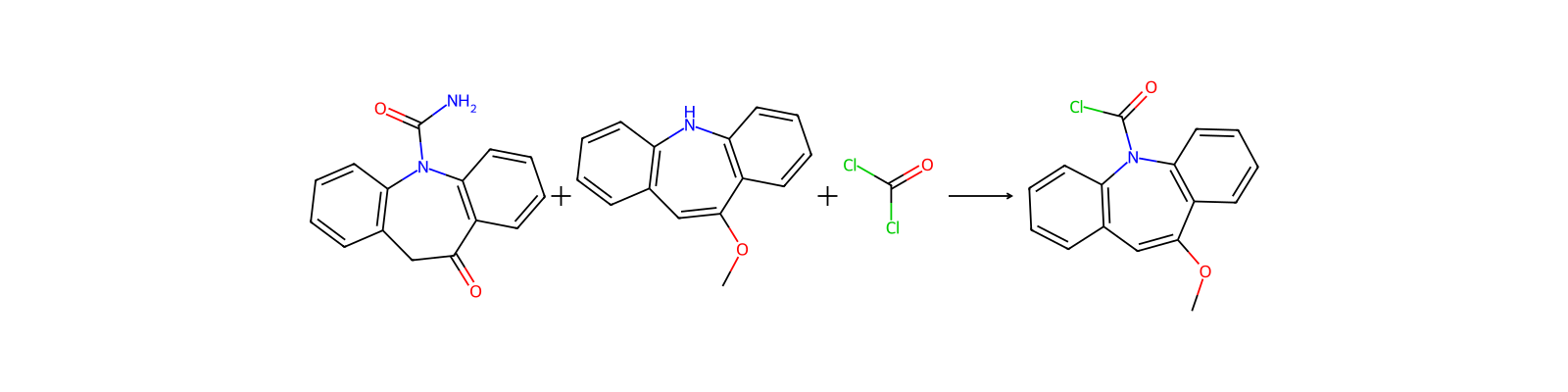
Reaction of 10-methoxy-5H-dibenz(b,f)azepine with phosgene gives the 5-chlorocarbonyl compound, treatment with NH3 affords 10-methoxy-5H-dibenz(b,f)azepine-5-carboxamide, which is hydrolyzed with diluted HCl to oxcarbazepine.
Nitration of 5-cyano-5H-dibenz(b,f)azepine with NaNO3 in acetic anhydride/acetic acid gives 5-cyano-10-nitro-5H-dibenz(b,f)azepine, which is treated with BF3 and powdered iron in acetic acid.
Formulations/PreparationsOral: Suspension: 300 mg/5 mL Trileptal (with alcohol and propylene glycol), (Novartis). Tablets, film-coated: 150 mg Trileptal (scored), (Novartis), 300 mg Trileptal (scored), (Novartis), 600 mg Trileptal (scored), (Novartis).
Use ClassificationPharmaceuticals
응용 분야
개요Oxcarbazepine is a new antiepileptic carbamazepine derivative, reportedly better tolerated than carbamazepine. It appears to be most effective in partial epilepsy with complex seizures.
용도Oxcarbazepine is a sodium channel protein inhibitor. It is an anticonvulsant and mood-stab.
일반 설명Oxcarbazepine, marketed under the trade name Trileptal, is an anticonvulsant developed and prescribed for treatment of epilepsy. In recent years, Oxcarbazepine has shown efficacy in treatment of mood disorders. This certified solution standard is suitable as starting material for the preparation of calibrators and controls in oxcarbazepine testing by GC/MS or LC-MS/MS.
상·하류 제품 정보
상류 원료
하류 제품
공급사50 곳
国药集团化学试剂有限公司86-21-63210123 · [email protected]
北京华美互利生物化工010-56205725 · [email protected]
梯希爱(上海)化成工业发展有限公司021-67121386 · [email protected]
上海阿拉丁生化科技股份有限公司400-6206333 13167063860 · [email protected]
INTATRADE GmbH+49 3493/605464 · [email protected]
湖北海克斯生化有限公司18696113233
LGM Pharma1-(800)-881-8210 · [email protected]
Syntechem Co.,Ltd[email protected]
上海迈瑞尔生化科技有限公司4006356688 18621169109 · [email protected]
武汉易泰科技有限公司上海分公司18930552037 · [email protected]
大连美仑生物技术有限公司0411-62910999 13889544652 · [email protected]
阿法埃莎(中国)化学有限公司400-6106006 · [email protected]
太原市瑞和丰科贸有限公司+86 351 7031519 · [email protected]
安耐吉化学&3A(安徽泽升科技股份有限公司)400-0056266 · [email protected]
北京绿百草科技发展有限公司010-61136123 · [email protected]
上海瀚鸿科技股份有限公司021-54306202 13764082696 · [email protected]
嘉兴市艾森化工有限公司0573-85285100 18627885956 · [email protected]
Pure Chemistry Scientific Inc.001-857-928-2050 or 1-888-588-9418 · [email protected]
上海泰坦科技股份有限公司400-6009262 15618770481 · [email protected]
上海隆盛化工有限公司58099637 13585536065 · [email protected]
MedChemexpress LLC021-58955995 · [email protected]
BOC Sciences1-631-485-4226; 16314854226 · [email protected]
南京美博生物科技有限公司025-58619198 · [email protected]
艾科试剂4008-755-333 18080918076 · [email protected]
上海思域化工科技有限公司86-21-34053660 · [email protected]
AdooQ BioScience, LLC+1 (866) 930-6790 · [email protected]
北京清露源科技有限公司+86 (10) 6333-0989 · [email protected]
TCI AMERICA800-4238616 · [email protected]
TOKYO CHEMICAL INDUSTRY CO., LTD.03-36680489 · [email protected]
TCI Europe320-37350700 · [email protected]
深圳振强药物研发有限公司0755-66853366 13670046396 · [email protected]
上海诺宝化工有限公司+86(0)21 60484900
Hubei Datong Bio-Chemical Technology Co.,Ltd027-87666700 · [email protected]
广州爱纯医药科技有限公司020-39119399 18927568969 · [email protected]
南京生利德生物科技有限公司025-57798810 18652991625 · [email protected]
Cato Research Chemicals Inc.020-81960175 · [email protected]
湖北鑫源顺医药化工有限公司13971561712, 13995564702, 027-50664929 · [email protected]
上海将来实业股份有限公司400-0066400 13621662912 · [email protected]
上海将来实业股份有限公司021-61552785 · [email protected]
HBCChem, Inc.+1-510-219-6317 · [email protected]
上海笛柏生物科技有限公司400-008-9730,021-54359730 400-008-9730 · [email protected]
成都零六生物科技有限公司400-1166-196 13458535857 · [email protected]
上海麦克林生化科技股份有限公司15221275939 15221275939 · [email protected]
杭州杰恒化工有限公司0571-87396432 · [email protected]
上海孚一生物科技有限公司+86 (21) 61124340
凯试(上海)科技有限公司021-50135380 · [email protected]
湖北巨胜科技有限公司027-59599241 18871490274 · [email protected]
池州凯隆进出口贸易有限公司[email protected]
Sigma-Aldrich西格玛奥德里奇(上海)贸易有限公司021-61415566 800-8193336 · [email protected]
江苏倍达医药科技有限公司0512-63009836 18994340901 · [email protected]
추가 설명
정의ChEBI: A dibenzoazepine derivative, having a carbamoyl group at the ring nitrogen, substituted with an oxo group at C-4 of the azepeine ring which is also hydrogenated at C-4 and C-5. It is a anticholinergic anticonvulsant and mood stabilizing drug, used primaril in the treatment of epilepsy.
관련 반응
40건


연결된 노트
불러오는 중…