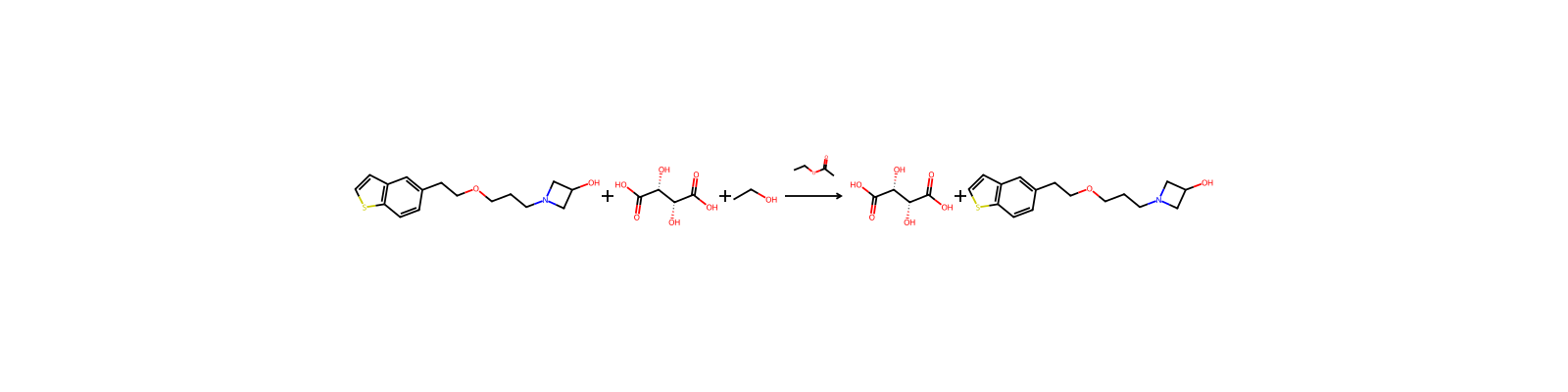
DL-타타르산
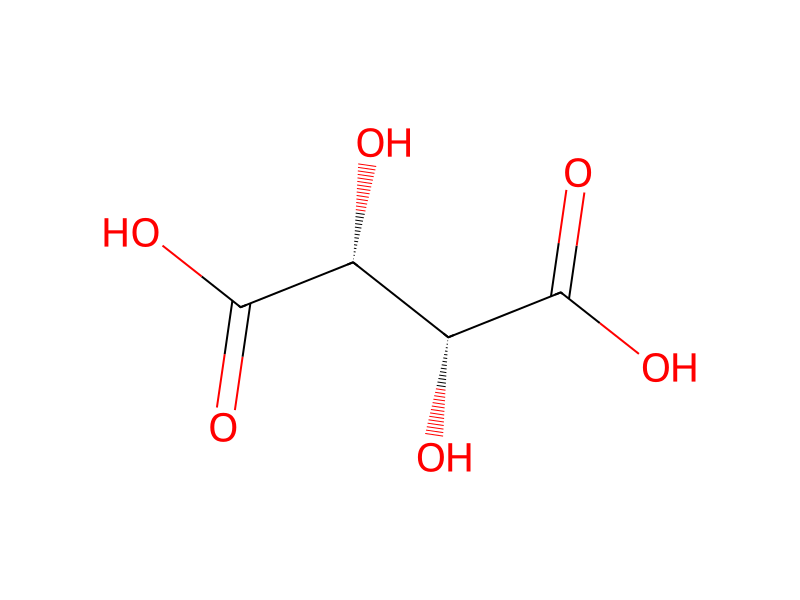
L-Tartaric acid
데이터를 보충하는 중입니다. 잠시 후 페이지를 새로 고치면 최신 내용을 볼 수 있습니다
기본 정보
- CAS
133-37-9- 표준 SMILES
O=C(O)[C@H](O)[C@@H](O)C(=O)O- InChIKey
FEWJPZIEWOKRBE-JCYAYHJZSA-N- 분자식
- C4H6O6
- 평균 분자량
- 150.09 g/mol
- 단동위원소 질량
- 150.01643791
이름 및 식별자
- 우선 이름
- L-Tartaric acid
- IUPAC
- (2R,3R)-2,3-dihydroxybutanedioic acid
- 현지명
- DL-타타르산
- 영어명
- DL-Tartaric acid
- 분자식
- C4H6O6
- 분자량
- 150.09
이름 및 동의어
L-tartaric acid87-69-4L-(+)-Tartaric acidtartaric acid(2R,3R)-2,3-dihydroxysuccinic acid(2R,3R)-2,3-dihydroxybutanedioic acid(+)-Tartaric acid(+)-L-Tartaric acid(R,R)-Tartaric acidThrearic acidDextrotartaric acidL-threaric acid
이름 더 보기
DL-타타르산DL-타르타릭산2,3-디하이드록시-부탄디오익산DL-디하이드록시숙신산RACEMIC ACIDdl-Tartaric acid anhydrousDL-TARTRATEDL-TartaricClopidogrel Impurity 45DL-Tartaric acid concentrateButanedioic acid, 2,3-dihydroxy-, (2R,3R)-rel-DL-Tartaric acid 133-37-9 pure 99% food additives Paratartaric acid kf-wang(at)kf-chem.comUvic acid
Natural tartaric acidAcidum tartaricum(+)-(R,R)-Tartaric acid(2R,3R)-Tartaric acidRechtsweinsaeureKyselina vinna(R,R)-(+)-Tartaric acidWeinsaeure
데이터베이스 식별자
- CAS
133-37-9、868-14-4、87-69-4- PubChem CID
- 444305
- DTXSID
DTXSID8023632- ChEMBL
CHEMBL1236315- ChEBI
CHEBI:15671- UNII
- 4J4Z8788N8、W4888I119H
- EC Number
- 201-766-0、205-105-7
- Nikkaji
- J31.839F
물성
구조 계산 물성보충 중
- XLogP
- -1.9
- 극성 표면적
- 115 Ų
- 수소 결합 공여자 수
- 4
- 수소 결합 수용자 수
- 6
- 회전 가능 결합 수
- 3
- 무거운 원자 수
- 10
- 형식 전하
- 0
- 복잡도
- 134
물리화학적 성질
- 녹는점
- 210 · 210-212 °C(lit.)
- 끓는 점
- 191.59 °C · 191.59°C (rough estimate)
- 밀도
- 1.788 · 1.788
- 증기압
- 0.1 hPa · <0.1 hPa (20 °C)
- FEMA
- 3044 · 3044 | TARTARIC ACID (D-, L-, DL-, MESO-)
- 굴절률
- 1.586 · 1.5860 (estimate)
- 인화점
- 210 °C · 210 °C
- 저장 조건
- 30 °C · Store below +30°C.
- 용해도
- 2 O: · H2O: 0.1 g/mL, 투명
- 물리적 상태
- 액체
- 산도 계수 (pKa)
- 3.03 · 3.03, 4.37(at 25℃)
- 색상
- 하얀색
- 수소이온지수(pH)
- 3.19 · 3.19(1 mM solution);2.58(10 mM solution);2.03(100 mM solution);
- 냄새
- 100 %에서 · 100.00%에서. 아주 순한 카라멜
- 냄새 유형
- 냄새 없는
- 생물학적 소스
- synthetic
- 수용성
- 녹는
- Merck
- 14 · 14,9069
- JECFA Number
- 621 · 621
안전 및 규제
안전 정보는 참고용이며, 공급업체의 물질안전보건자료(SDS), 관련 법규 및 전문가 평가를 대체하지 않습니다.
안전 데이터
- wgk
- 3
- tsca
- TSCA listed
- HS 번호
- 29181200
- risk_code
- 36/37/38-41
- hazard_code
- Xi
- safety_code
- 26-37/39-36
- 기존화학 물질
- KE-10802
- 자연 발화 온도
- 425 °C
- Hazard Classifications
- Eye Dam. 1
- 스토리지 클래스
- 11 - Combustible Solids
화학 및 산업
응용 분야
출처d-Tartaric acid occurs in many fruits or other parts of the plant, free or combined with potassium, calcium or magnesium. It is also reported found in raw, lean fish, white wine, red wine and port wine.
용도DL-Tartaric acid is used as a synergist for antioxidants, emulsifier, sequestrant and flavoring agent. It is also added with citric acid to prepare effervescent salts, thereby enhancing the taste of oral medications. It is also utilized in pigments, processing aids, ink, toner and colorant products. It acts as a chelating agent in metal and farming industries. Further, it is used as lubricant and grease. It is mixed with sodium bicarbonate and used as a leavening agent in food preparation. In the pharmaceutical industry, it is utilized in the preparation of tartar emetic, which is used in cough syrup as an expectorant.
제조 방법
The tartrates used in commerce are obtained as a by-product of wine manufacture and have the L(+) configuration. Produced from argols or wine lees, which are formed in the manufacture of wine by extracting the potassium acid tartrate, transforming this into the calcium salt and then acidifying with dilute sulfuric acid; also by oxidation of d-glucose with nitric acid. The dl-tartaric acid is obtained by boiling the d-tartaric acid with an aqueous solution of NaOH or by oxidation of fumaric acid. The l- and the meso-tartaric acid are also known, but are less important.
상·하류 제품 정보
상류 원료
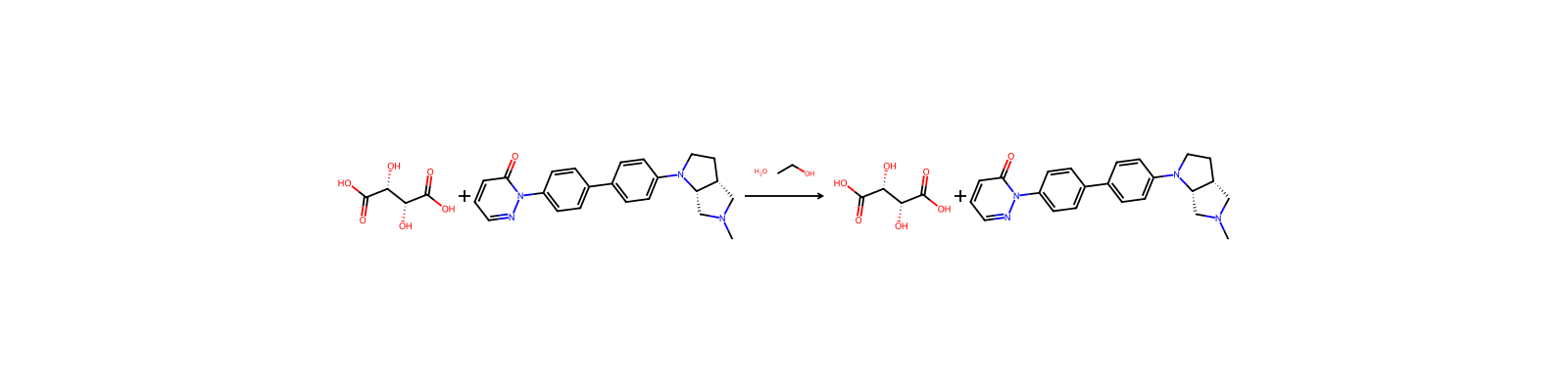
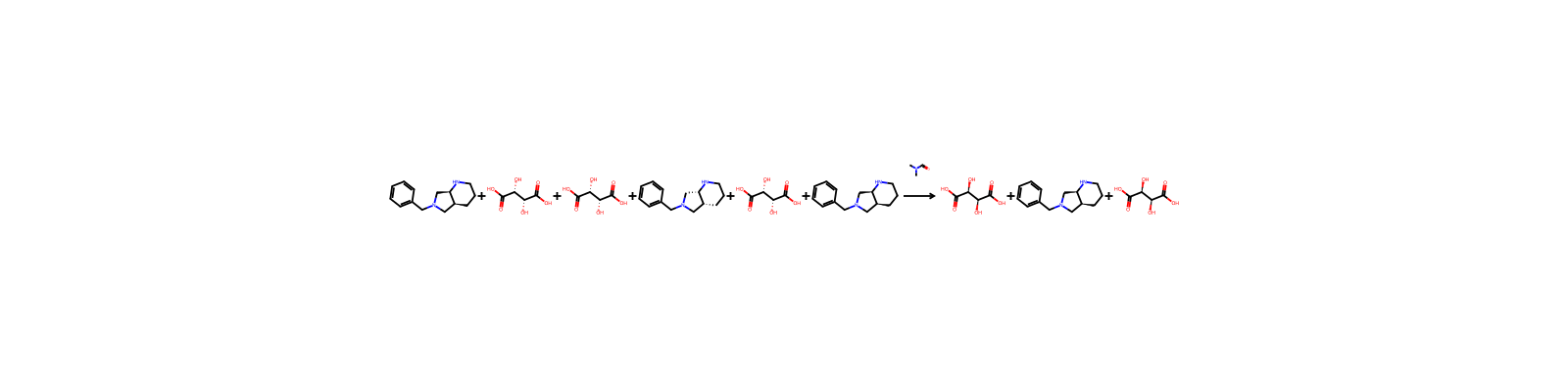
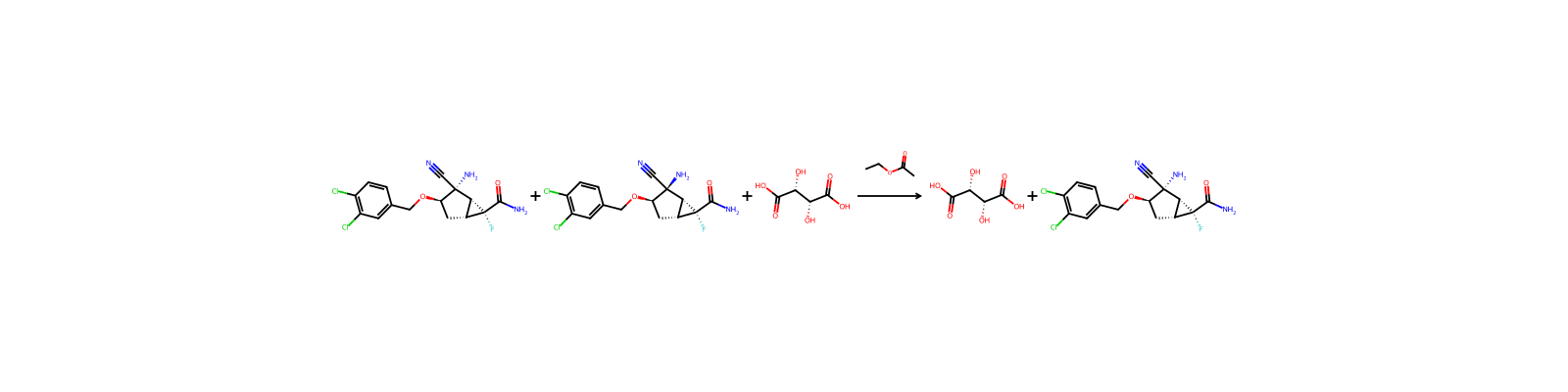
관련 반응
305건



화합물 노트
불러오는 중…