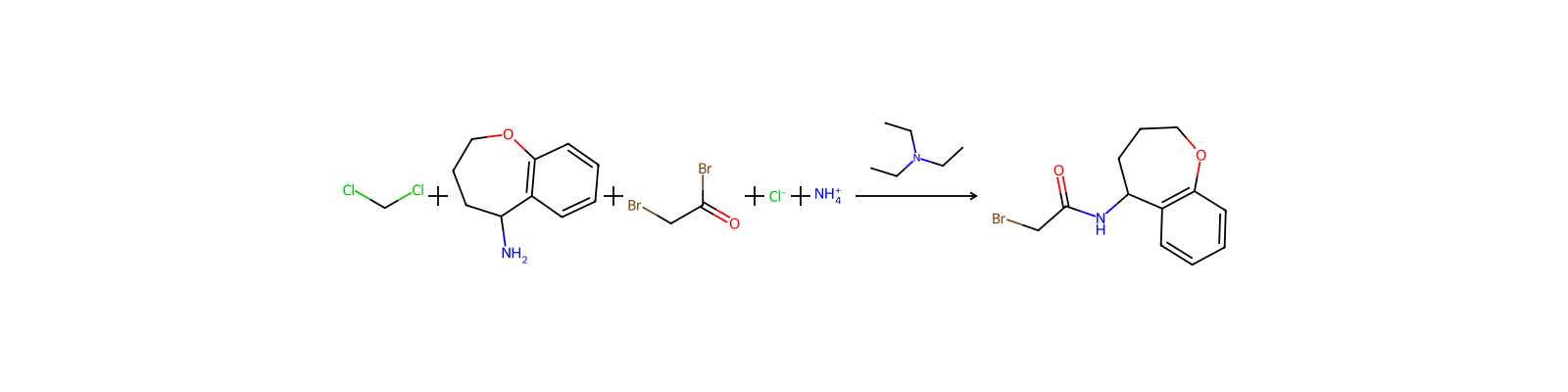
모노브로모초산 브롬화물
Bromoacetyl bromide
데이터를 보충하는 중입니다. 잠시 후 페이지를 새로 고치면 최신 내용을 볼 수 있습니다
기본 정보
- CAS
598-21-0- 표준 SMILES
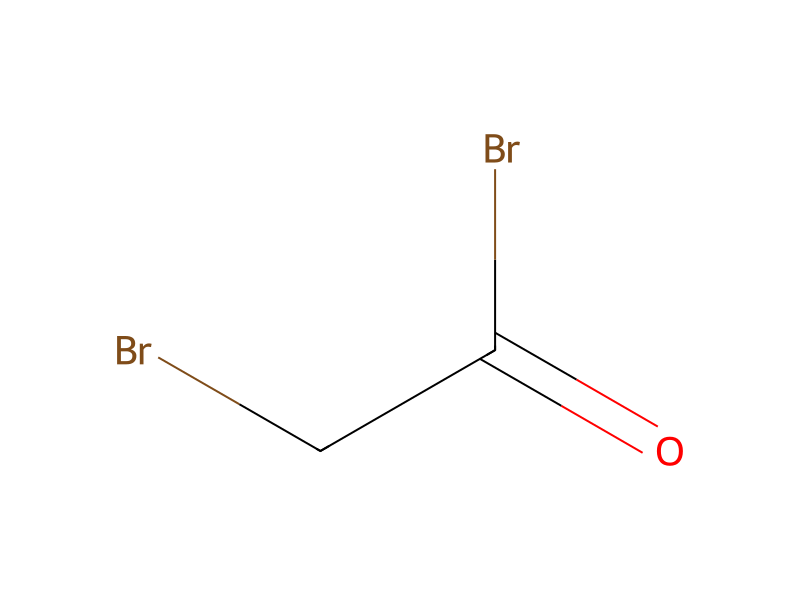
O=C(Br)CBr- InChIKey
LSTRKXWIZZZYAS-UHFFFAOYSA-N- 분자식
- C2H2Br2O
- 평균 분자량
- 201.84 g/mol
- 단동위원소 질량
- 199.84723888
개요
Bromoacetyl bromide appears as a water-white liquid with a pungent odor. Denser than water. Irritates skin, eyes and mucous membranes. May be toxic by ingestion, inhalation and skin absorption. Used to make other chemicals.
이름 및 식별자
- 우선 이름
- Bromoacetyl bromide
- IUPAC
- 2-bromoacetyl bromide
- 현지명
- 모노브로모초산 브롬화물
- 영어명
- Bromoacetyl bromide
- 분자식
- C2H2Br2O
- 분자량
- 201.84
이름 및 동의어
Bromoacetyl bromide598-21-0ACETYL BROMIDE, BROMO-Acetyl bromide, 2-bromo-CCRIS 9090EINECS 209-923-5UN2513alpha-bromoacetyl bromideDTXSID10605062bromoacetyl bromideAcetyl bromide, bromoalphaBromoacetyl bromide
이름 더 보기
모노브로모초산브롬화물브로민화브로민아세틸브로민화브로민아세틸(브롬화브롬아세틸)브로민화브로민아세틸브로모아세틸브로마이드acetylbromide,bromo-bromoacetylBroMoacetyl brAKOS BBS-00004286bromo-acetylbromid?BROMOACETYL?BROMIBrominemonobromide1,2-Dibromoethanone
Acetyl bromide, 2bromoRefChem:570322BROMOETHANOYL BROMIDEMONOBROMOACETYL BROMIDEDTXCID7042699209-923-52-Bromoacetyl bromidebromoacetylbromide
데이터베이스 식별자
- CAS
598-21-0- PubChem CID
- 61147
- DTXSID
DTXSID1060506- UNII
- GV64Q4VP87
- EC Number
- 209-923-5
- Nikkaji
- J474J
물성
구조 계산 물성보충 중
- XLogP
- 1.6
- 극성 표면적
- 17.1 Ų
- 수소 결합 공여자 수
- 0
- 수소 결합 수용자 수
- 1
- 회전 가능 결합 수
- 1
- 무거운 원자 수
- 5
- 형식 전하
- 0
- 복잡도
- 42.9
실험 및 물리화학적 성질
Chemical Classes
Other Classes -> Halogenated Ketones
Corrosives
SpringerMaterials PropertiesSchoenflies notation
Density2.317 at 68 °F (USCG, 1999) - Denser than water; will sink
Boiling Point298 °F at 760 mmHg (USCG, 1999)
Physical Description
Bromoacetyl bromide appears as a water-white liquid with a pungent odor. Denser than water. Irritates skin, eyes and mucous membranes. May be toxic by ingestion, inhalation and skin absorption. Used to make other chemicals.
Fuming water-white liquid with a pungent odor; [CAMEO] Colorless to light yellow liquid with an extremely irritating odor; [CHRIS] Dark brown liquid; [Sigma-Aldrich MSDS]
물리화학적 성질
- 녹는점
- 148.5 °C · 148.5°C (estimate)
- 끓는 점
- 147 · 147-150 °C(lit.)
- 밀도
- 2.324 g/mL · 2.324 g/mL at 20 °C
- 증기압
- 3.8 mm · 3.8 mm Hg ( 25 °C)
- 굴절률
- 20 · n20/D 1.547(lit.)
안전 및 규제
안전 정보는 참고용이며, 공급업체의 물질안전보건자료(SDS), 관련 법규 및 전문가 평가를 대체하지 않습니다.
GHS 분류
GHS Classification
Danger
H314 (100%): Causes severe skin burns and eye damage [Danger Skin corrosion/irritation]
P260, P264, P264+P265, P280, P301+P330+P331, P302+P361+P354, P304+P340, P305+P354+P338, P316, P317, P321, P363, P405, and P501 (click each P-code to see the statement)
Aggregated GHS information provided per 73 reports by companies from 9 notifications to the ECHA C&L Inventory. Each notification may be associated with multiple companies.
Not Classified
유해성 정보
Regulatory Information
Chemical: Acetyl bromide, bromo-
Status: Active Update: 10-05-2022 https://echa.europa.eu/registration-dossier/-/registered-dossier/17142
Bromoacetyl bromide: Does not have an individual approval but may be used under an appropriate group standard
The New Jersey Worker and Community Right to Know Act requires public and private employers to provide information about hazardous substances at their workplaces. (N.J.S.A. 34:5A-1 et. seq.)
DOT LabelCorrosive
Fire Hazards
Special Hazards of Combustion Products: Heat of fire can cause decomposition, with evolution of highly toxic and irritating hydrogen bromide and bromophosgene vapors.
· Combustible material: may burn but does not ignite readily.
Health Hazards
Inhalation causes severe irritation of upper respiratory system. External contact causes severe irritation of eyes and skin. Ingestion causes severe irritation of mouth and stomach. (USCG, 1999)
· TOXIC and/or CORROSIVE; inhalation, ingestion or contact (skin, eyes) with vapors, dusts or substance may cause severe injury, burns or death.
Hazards Summary
Reacts violently with water evolving hydrogen bromide; Causes severe skin irritation and serious eye injury; Brief contact can cause second- and third-degree skin burns; [CHRIS] Readily hydrolyzes; Causes burns; Inhalation may cause corrosive injuries to upper respiratory tract; [Sigma-Aldrich MSDS] See Dichloroacetone. See Hydrogen bromide.
화학 및 산업
용도 및 제조
UsesUsed in chemical manufacture; [CAMEO]
General Manufacturing InformationAcetyl bromide, 2-bromo-: ACTIVE
응용 분야
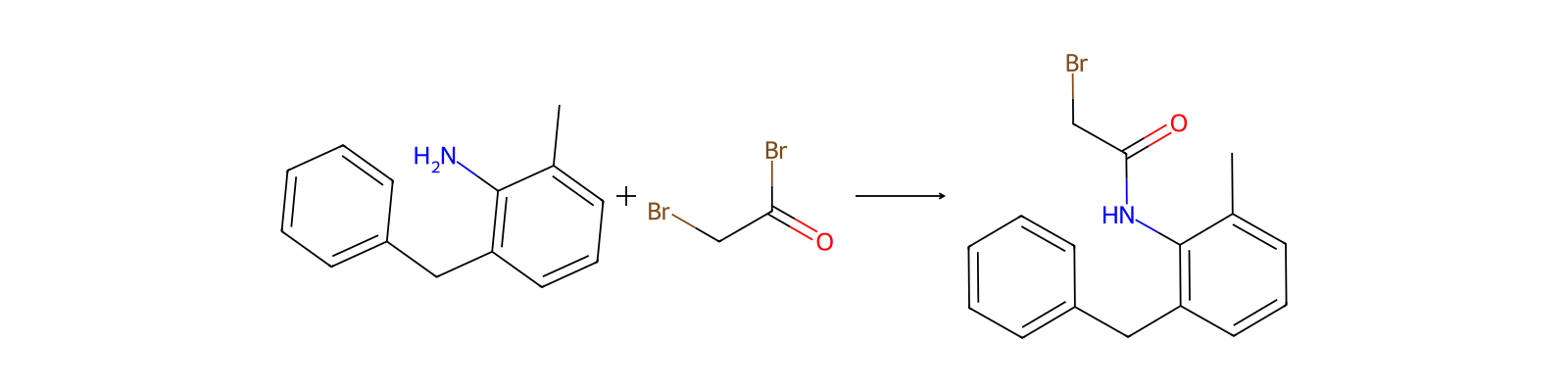
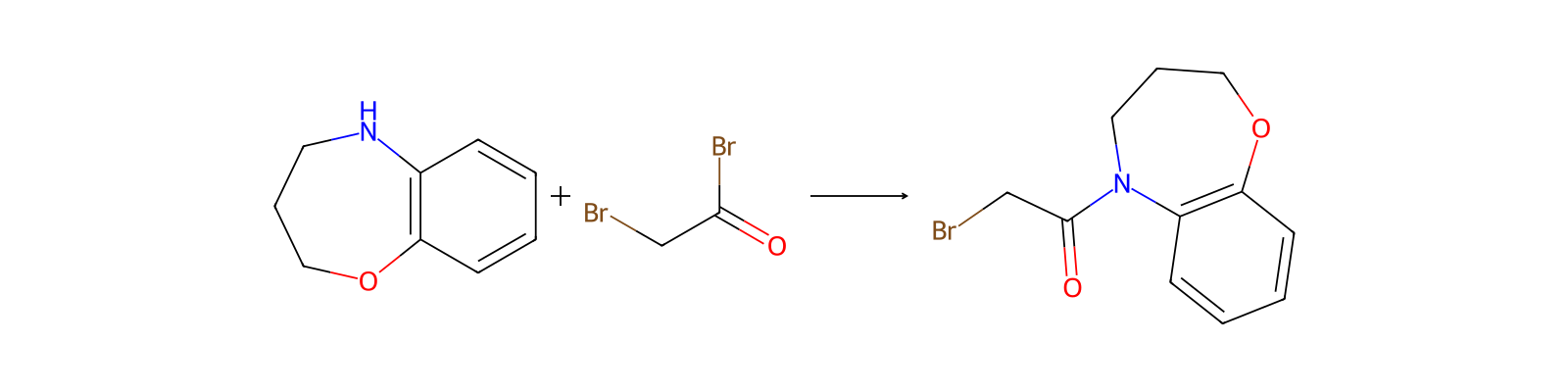
용도Bromoacetyl bromide is widely used in the synthesis of fine chemicals, agrochemicals, dyes and pharmaceuticals. As an acylating agent, it reacts with 10H-phenothiazine to give 10-bromoacetyl-10H-phenothiazine. Similarly, it is also involved in the preparation of bromoactylated starch which is a biodegradable thermoplastic copolymer.
일반 설명A water-white liquid with a pungent odor. Denser than water. Irritates skin, eyes and mucous membranes. May be toxic by ingestion, inhalation and skin absorption. Used to make other chemicals.
상·하류 제품 정보
상류 원료
하류 제품
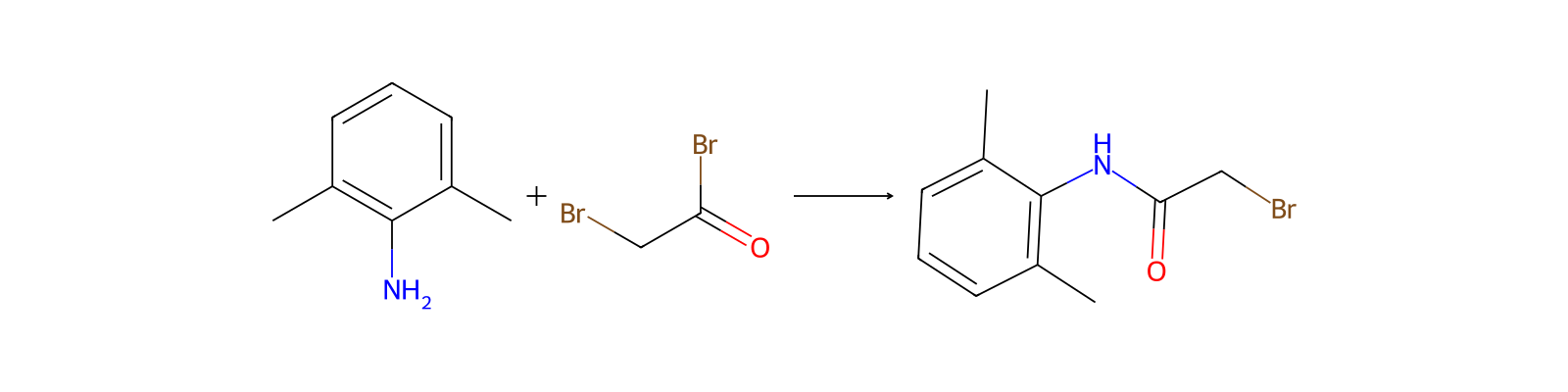
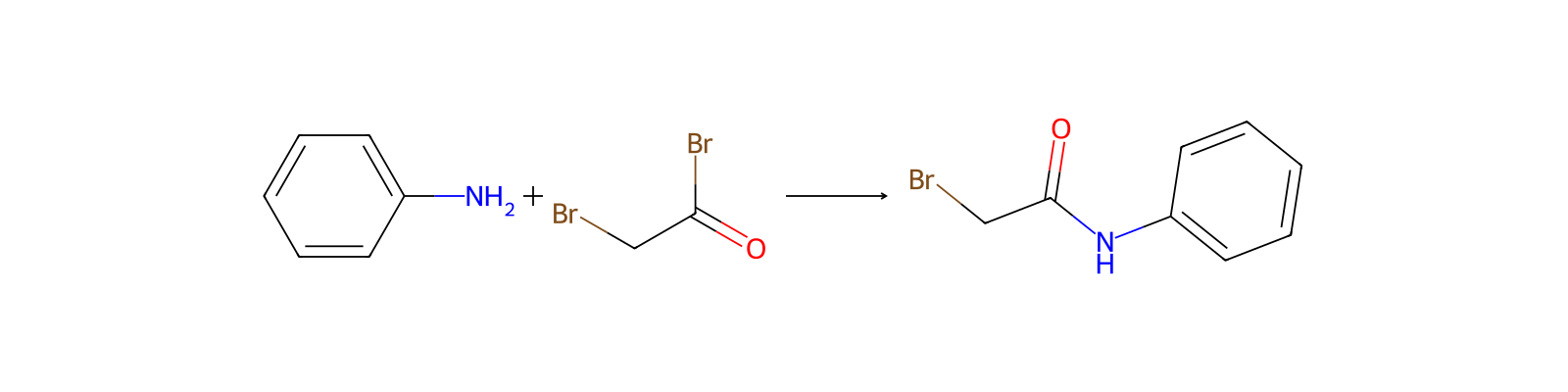
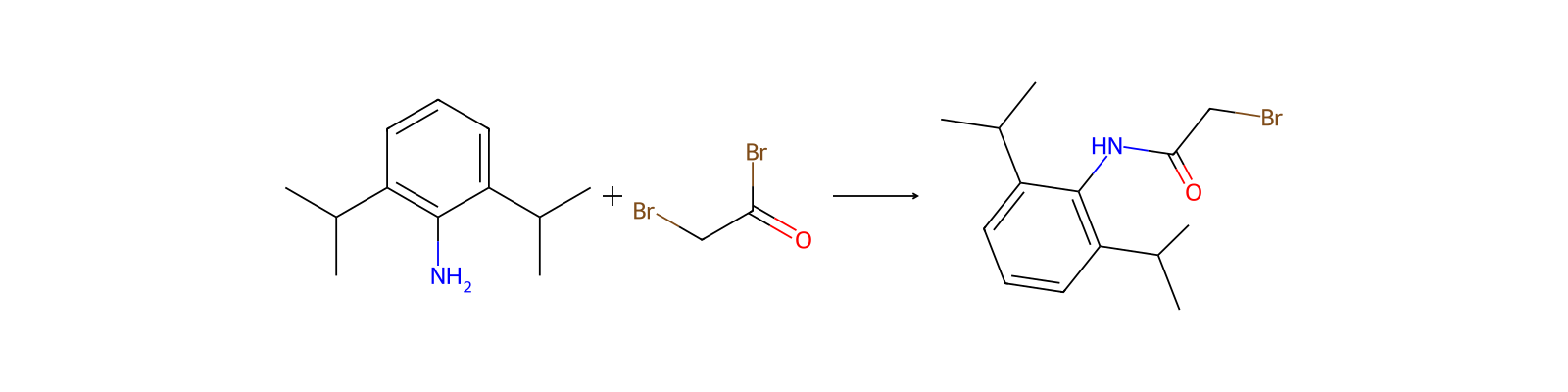
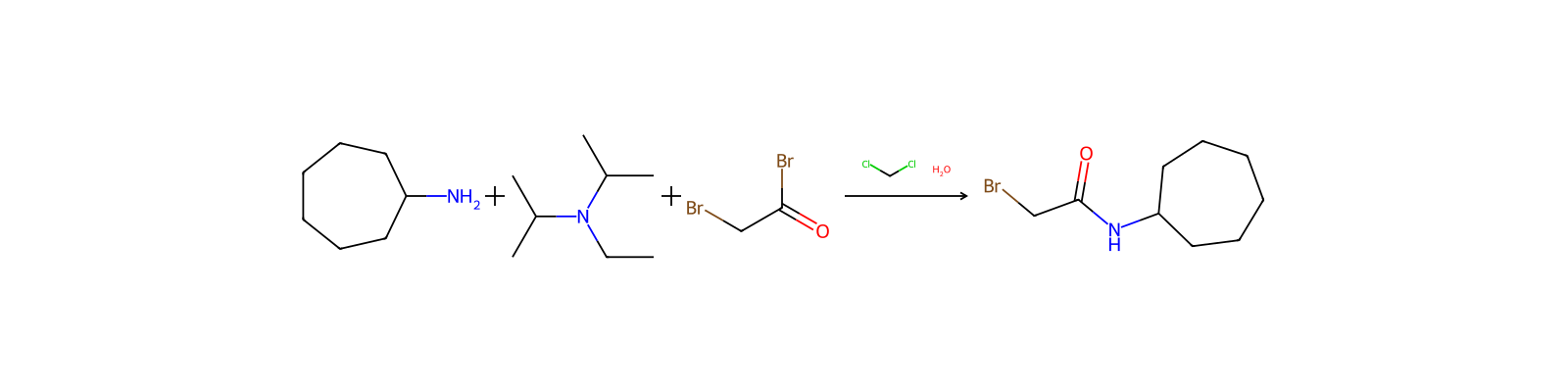
관련 반응
1,289건

화합물 노트
불러오는 중…